Episode summary
Rare agave should inspire respect before excitement.
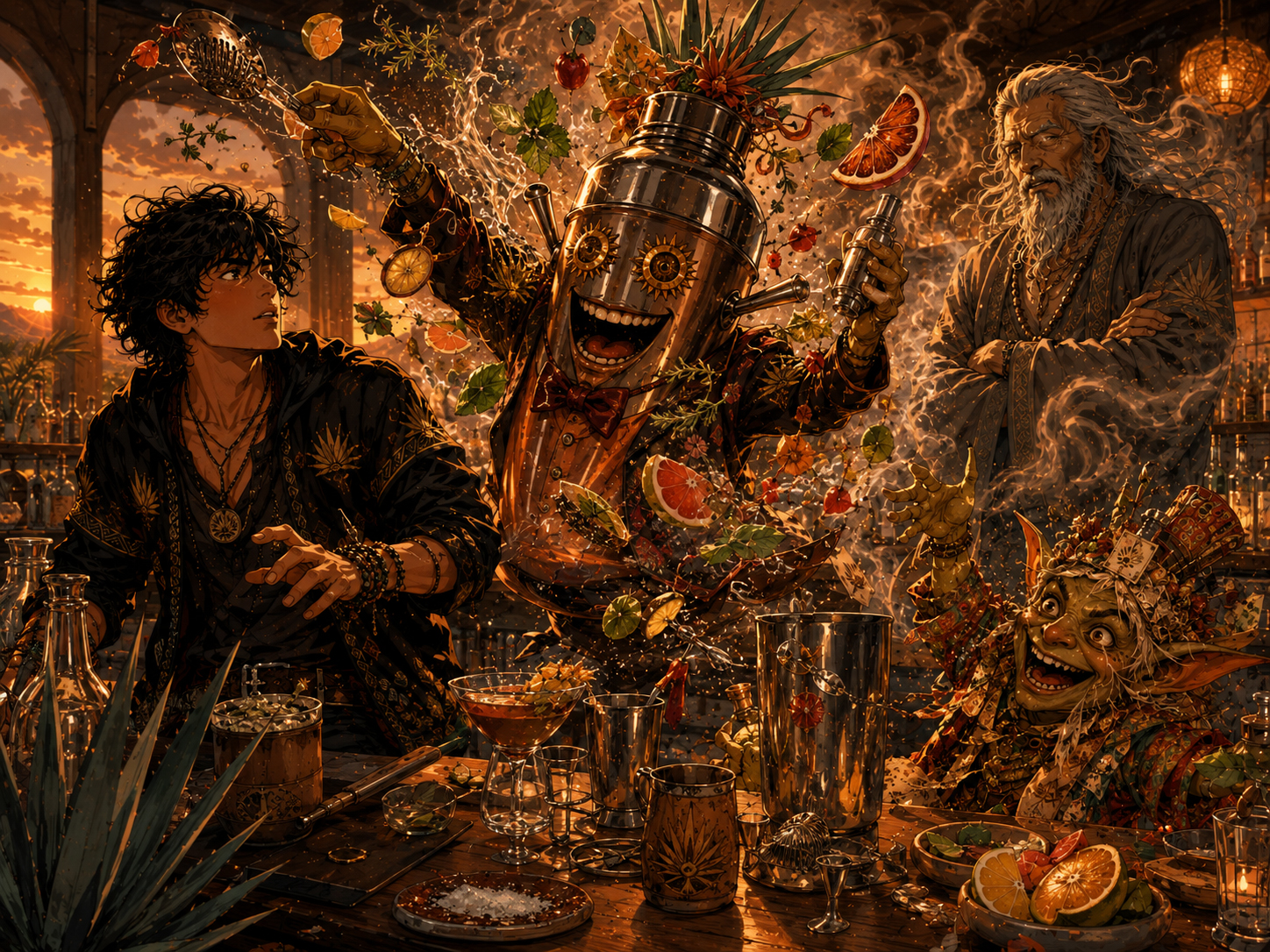
In Episode 7, Agave Boy learns about tobalá, tepeztate, and other wild or semi-wild agaves. The names sound mysterious. The bottles can be expensive. The flavors can be extraordinary. The Label Goblin immediately tries to turn rarity into a scoreboard.
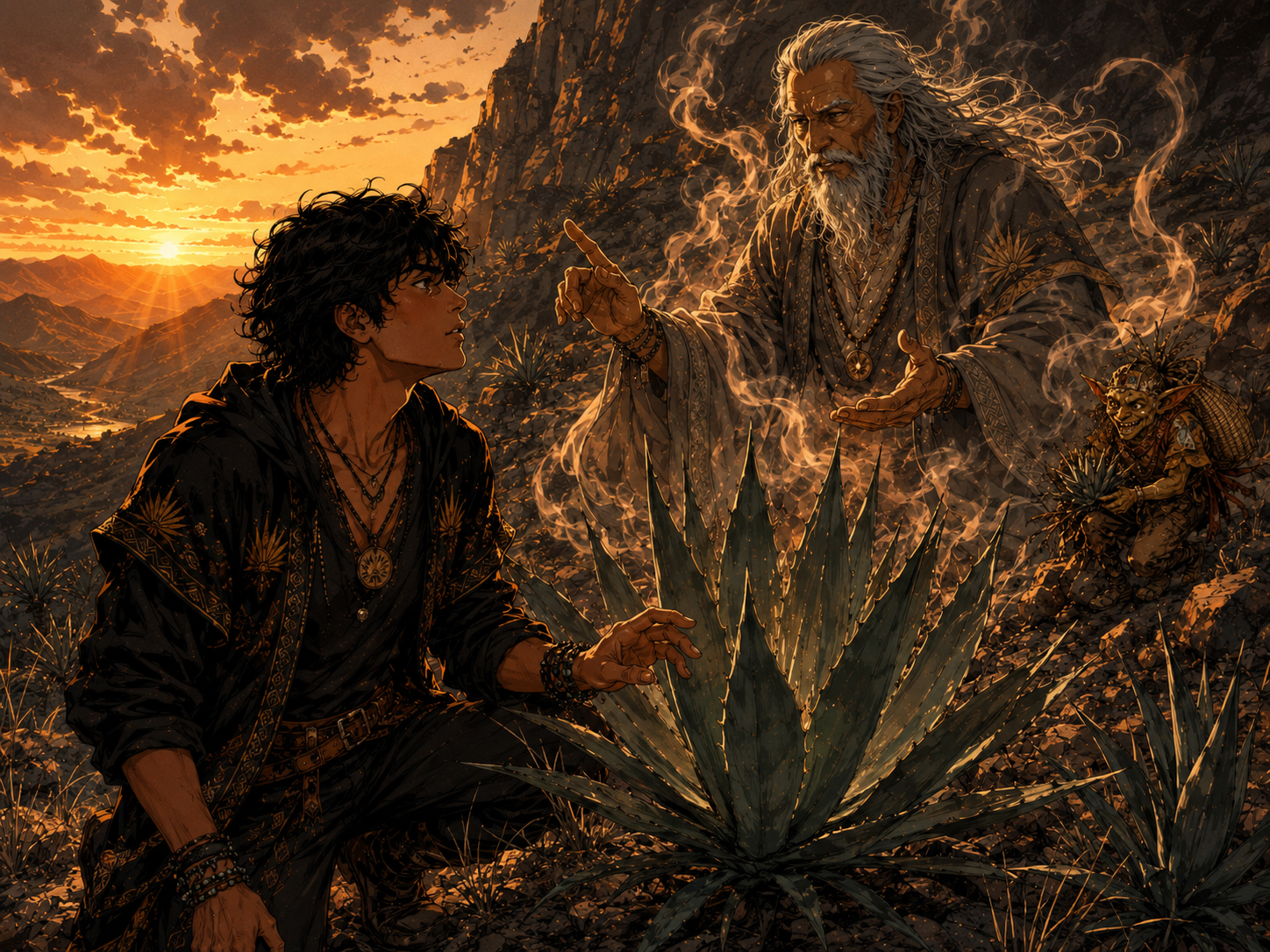
Madame Terroir stops the episode with one sentence: rare does not automatically mean better, and wild does not automatically mean responsible.
Madame Terroir says:
“A rare plant is not a collectible sticker. It is part of a living landscape. If the bottle is beautiful but the hillside is empty, the story has failed.”
Panel 1: The rare bottle appears
The episode opens with Agave Boy staring at a bottle labeled with a rare agave name. The bottle looks serious. The price tag looks like it has its own financial advisor. The Label Goblin whispers, “Rare means best.”
Madame Terroir snaps her fan shut.
“Rare means ask better questions.”
Panel 2: What wild agave means
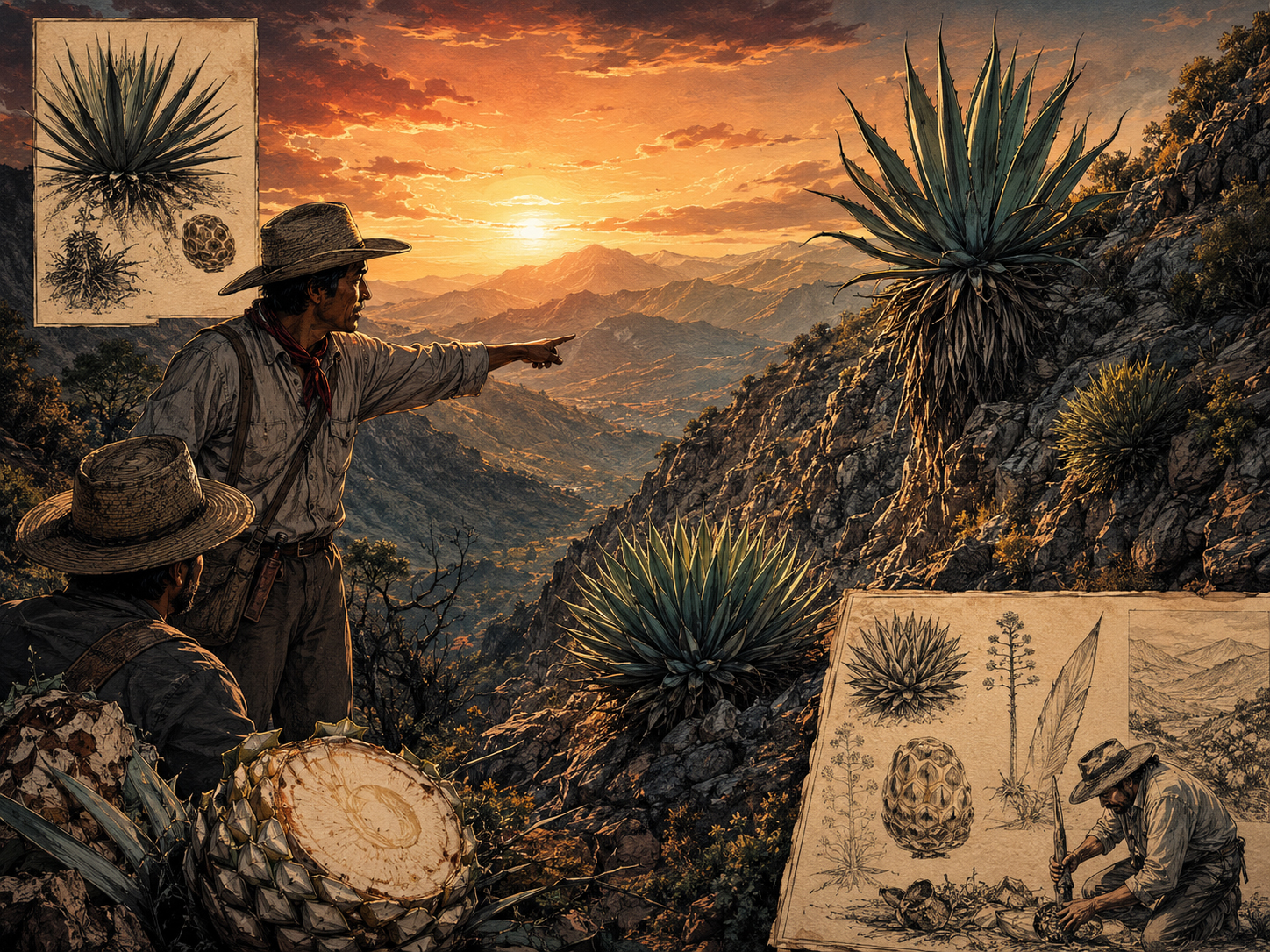
Agave Boy asks if “wild” means the agave escaped from a farm and now lives by its own rules. Tahona Donkey considers this for a moment and decides not to dignify it.
In mezcal conversation, wild agave usually means agave growing outside ordinary cultivated field systems. But the reality can be complicated. Some agave is wild, some semi-wild, some managed, some transplanted, some cultivated traditionally, and some described with language that needs careful reading.
| Word | Plain-English meaning | Goblin risk |
|---|---|---|
| Wild | Agave harvested from non-cultivated or less-managed landscapes. | Romantic word used without sourcing details. |
| Semi-wild | Agave that may grow outside formal fields but still receive some human care. | Sounds clear but may need explanation. |
| Cultivated | Agave intentionally grown as a crop. | Unfairly dismissed as less exciting. |
| Rare | Less common, slower-growing, or harder to source. | Used as a hype cannon. |
Panel 3: Tobalá enters quietly
Tobalá appears from the rocky shade, small and elegant, carrying the calm confidence of a plant that knows mezcal fans whisper about it.
Agave Boy bows dramatically. Madame Terroir tells him to stand up and ask about sourcing.
Tobalá lesson
Tobalá can produce beautiful mezcal, but reputation is not a substitute for responsible harvesting, regeneration, producer skill, and honest labeling.
Panel 4: Tepeztate arrives with mountain energy
Tepeztate arrives looking ancient, angular, and slightly annoyed that everyone wants it to be a collectible. Its flavor reputation can include herbal, mineral, green, complex, or unusual notes depending on maker and place.
The Label Goblin tries to sell “EXTREME ANCIENT WILDNESS” stickers. Tepeztate does not blink.
“I am not your status symbol,” says Tepeztate. “I am a plant with a timeline.”
Panel 5: The empty hillside vision
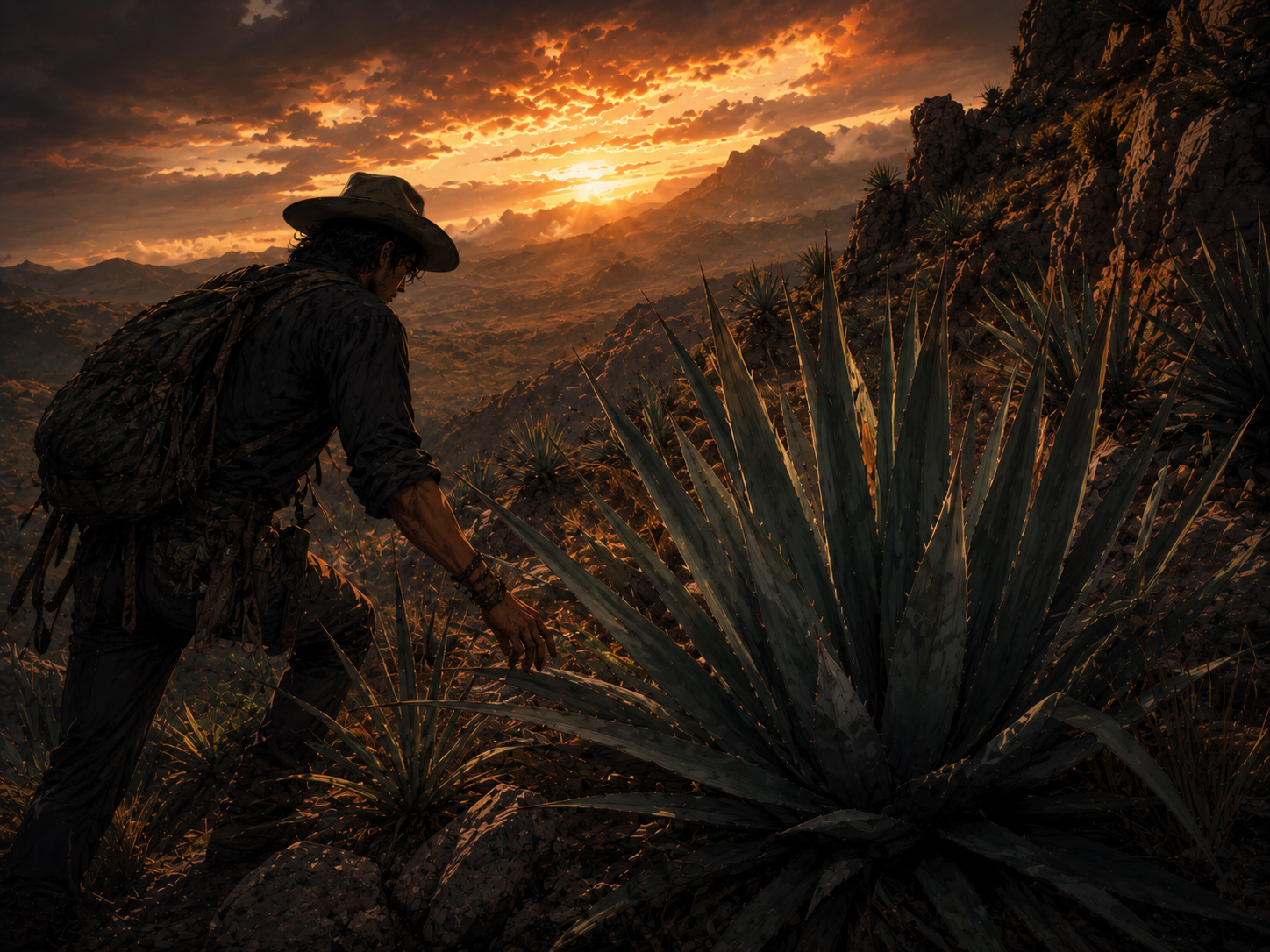
Madame Terroir opens her fan and shows Agave Boy a vision: a hillside where rare agave was harvested faster than it could recover. The scene is quiet, dusty, and deeply unfunny.
This is the serious center of the episode. Demand can pressure wild agave populations. If people chase rare bottles without asking about regeneration, the future field loses.
| Risk | Why it matters | Better question |
|---|---|---|
| Overharvesting | Wild populations can shrink if plants are removed too quickly. | How is the agave population maintained? |
| Low regeneration | Slow-growing agaves may take many years to replace. | Is there replanting, nursery work, or seed management? |
| Loss of biodiversity | Genetic diversity and pollinator relationships can suffer. | Are some plants allowed to flower and reproduce? |
| Marketing pressure | Rare names can become trophy labels. | Is the story transparent or just expensive? |
Panel 6: The baby agave nursery
The vision changes. Agave babies grow in careful rows. Producers collect seeds, protect young plants, replant, and manage future supply. The mood returns to hopeful.
Agave Boy finally understands that sustainability is not an optional bonus. It is part of whether the bottle deserves respect.
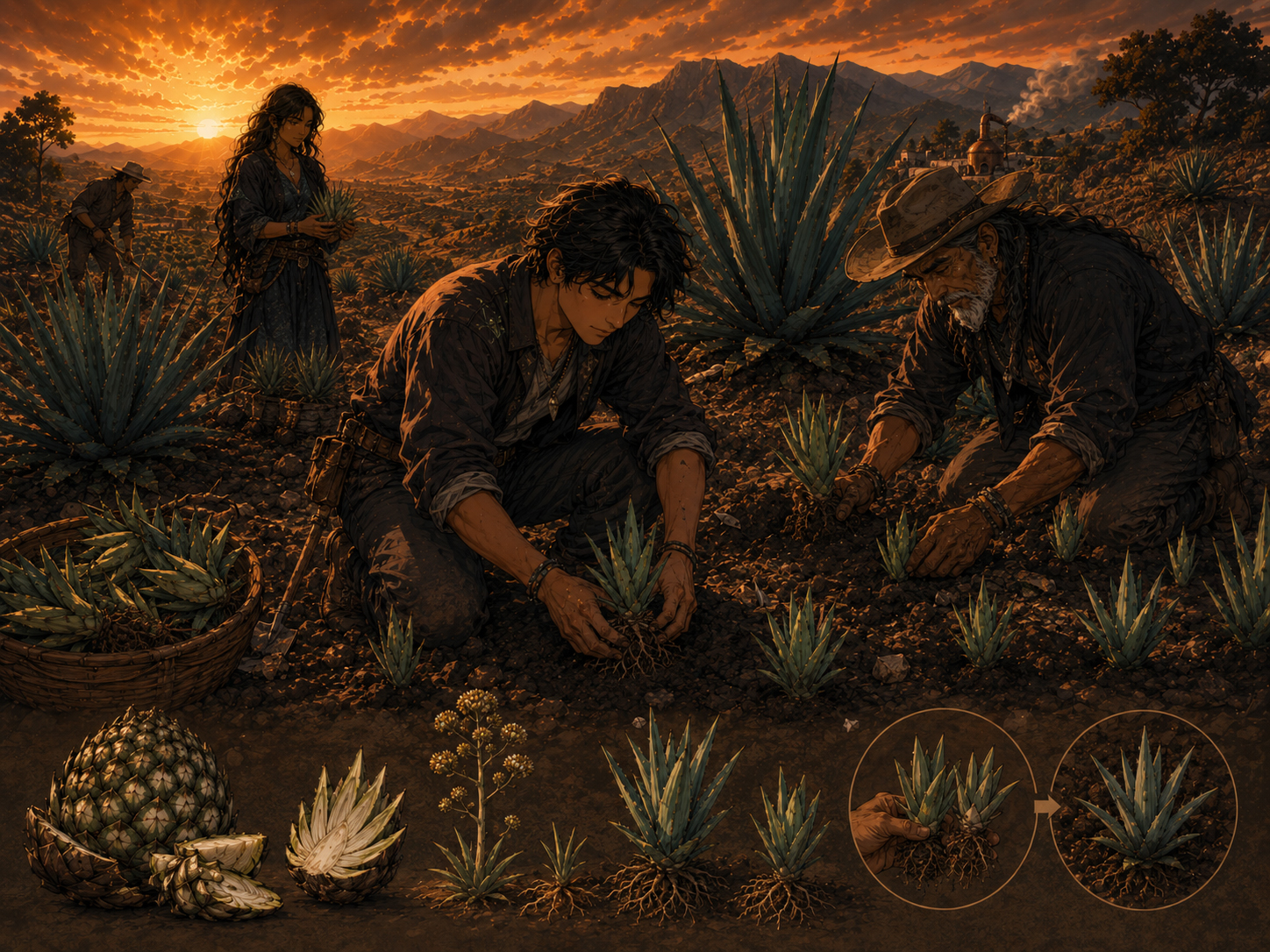
Agave Boy’s checklist
Ask: Was it wild, semi-wild, or cultivated? Was it replanted? Who made it? Where was it made? Is the label clear? Is the plant part of a future plan?
Panel 7: Espadín defends common agave
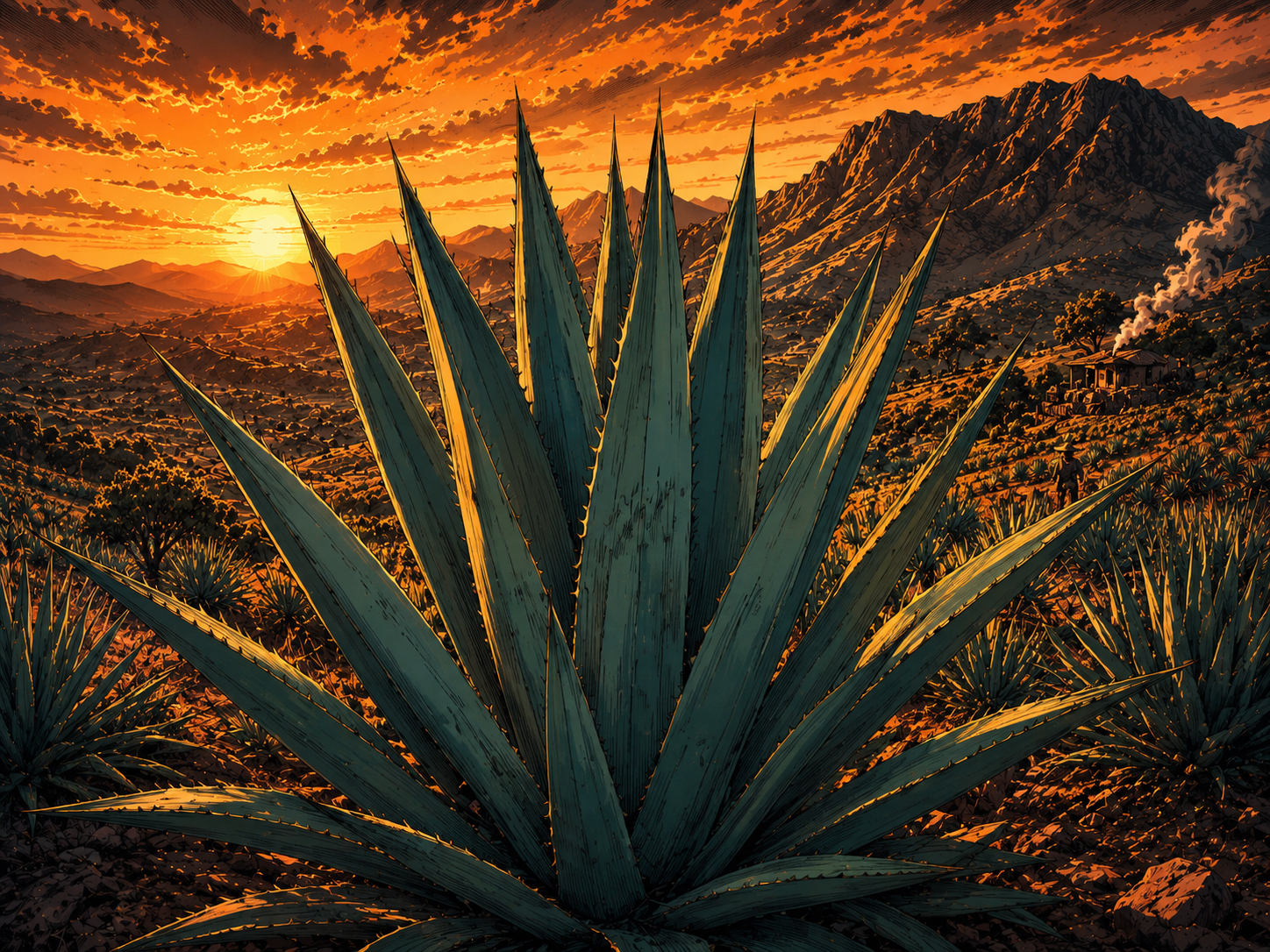
Espadín walks into the episode, tired of being treated like the boring cousin. It points out that widely cultivated agave can reduce pressure on rare plants and still produce excellent mezcal.
The Label Goblin says, “But common is not fancy.”
“Common can be responsible, delicious, and honest,” says Espadín.
Panel 8: The rare-agave trial
Madame Terroir puts the rare bottle on trial. The charges are not “being rare.” The charges are: unclear sourcing, missing producer details, vague region, no regeneration story, and excessive marketing adjectives.
The verdict:
“Rare agave is welcome when responsibility comes with it.”
What this episode teaches
- Wild agave can be exciting. It can also be vulnerable.
- Rare does not mean automatically better. Quality still depends on maker, method, plant, and place.
- Sourcing matters. Ask whether agave is wild, semi-wild, or cultivated.
- Regeneration matters. Replanting, seed work, and allowing reproduction are important.
- Espadín deserves respect. Common agave can be excellent and more sustainable.
- Marketing can distort rarity. Clear labels beat romantic fog.
Episode 7 buying checklist
| Ask this | Why |
|---|---|
| Who made it? | Producer identity connects the bottle to real craft. |
| Where was it made? | Region and town provide context. |
| What agave was used? | The plant shapes flavor and sustainability concerns. |
| Was the agave wild, semi-wild, or cultivated? | Sourcing affects responsibility. |
| Is there replanting or regeneration? | Future supply and biodiversity matter. |
| Is the label clear? | Transparency beats goblin marketing. |
Episode 7 tasting homework
Compare a small pour of espadín with a small pour of a less-common agave, if available. Do not treat the rare one as automatically superior. Look for aroma, texture, finish, balance, and label clarity. Then ask which bottle gives you more useful information.
Responsible homework rule
Tiny pours only. Drink water. Eat food. Do not drive after drinking. Rare mezcal deserves attention, not speed or status-posting.
The final panel
Agave Boy stands before the hillside, holding a tiny baby agave. The Label Goblin tries to sell it a “limited edition” tag. Madame Terroir removes him from the scene.
Today’s bottle should not steal tomorrow’s agave.
Responsible drinking note
MezcalDaily.com is for adults of legal drinking age. This episode is educational and cultural content about an alcoholic beverage. Sip slowly, hydrate, eat food, and do not drink and drive.