The fast answer
Artesanal and ancestral mezcal describe different traditional production approaches.
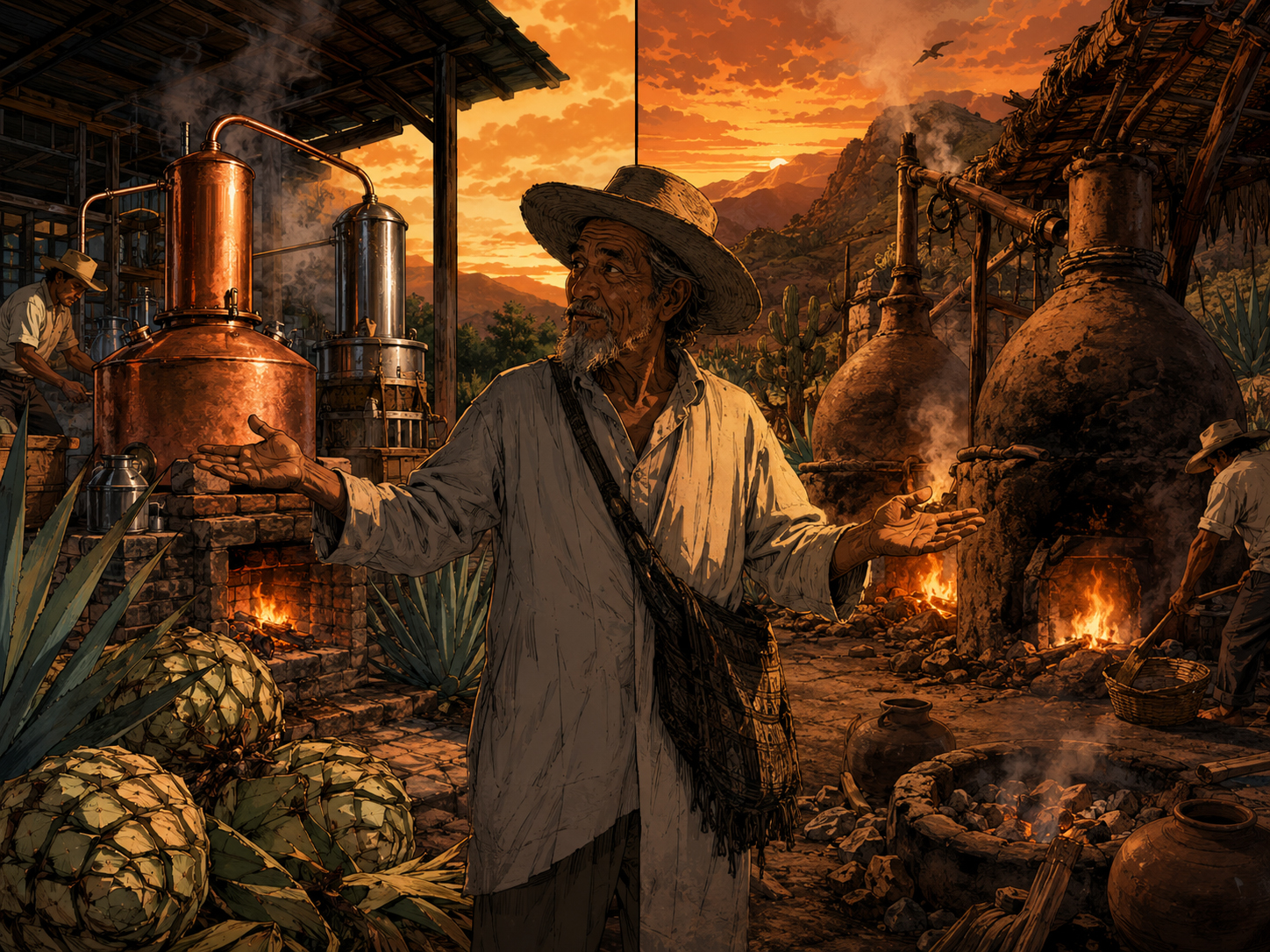
Both categories can involve handcraft, tradition, and small-batch production. The difference is mainly about which tools and methods are allowed. Artesanal mezcal may use certain traditional and semi-traditional equipment, including copper stills. Ancestral mezcal is usually more restricted, especially around crushing and distillation methods, often emphasizing hand or stone crushing and clay, wood, or similar traditional still systems.
The key point: ancestral does not automatically mean better, and artesanal does not mean fake. A great mezcal depends on plant, place, maker, method, timing, and care.
Label Goblin emergency meeting
The goblin wants you to panic when you see “artesanal” or “ancestral.” Do not panic. Read the method. Ask what changed. Sip slowly. Remain taller than the goblin.
The simple comparison
| Category | Plain-English idea | MezcalDaily translation |
|---|---|---|
| Mezcal | Broader category that may allow more industrial tools and processes. | The big umbrella. Some umbrellas are elegant. Some are from a gas station. |
| Mezcal Artesanal | Traditional/artisanal methods with permitted ovens, crushing systems, fermentation vessels, and stills. | Craft methods, often with copper stills and dramatic smoke lighting. |
| Mezcal Ancestral | More restrictive traditional methods, often emphasizing pit ovens, manual or stone crushing, natural fermentation, and clay-style distillation. | The old-school boss level. Beautiful, demanding, not automatically superior. |
Why these words exist
Mezcal is made in many ways. Some production is highly traditional. Some uses modern equipment. Some sits in the middle. The label categories help describe the production approach so buyers have more clues about what happened before the bottle reached the shelf.
Without method language, every bottle could simply shout “authentic!” until the room fills with marketing smoke. The categories are imperfect, but they are useful signposts.
Cooking: the oven question
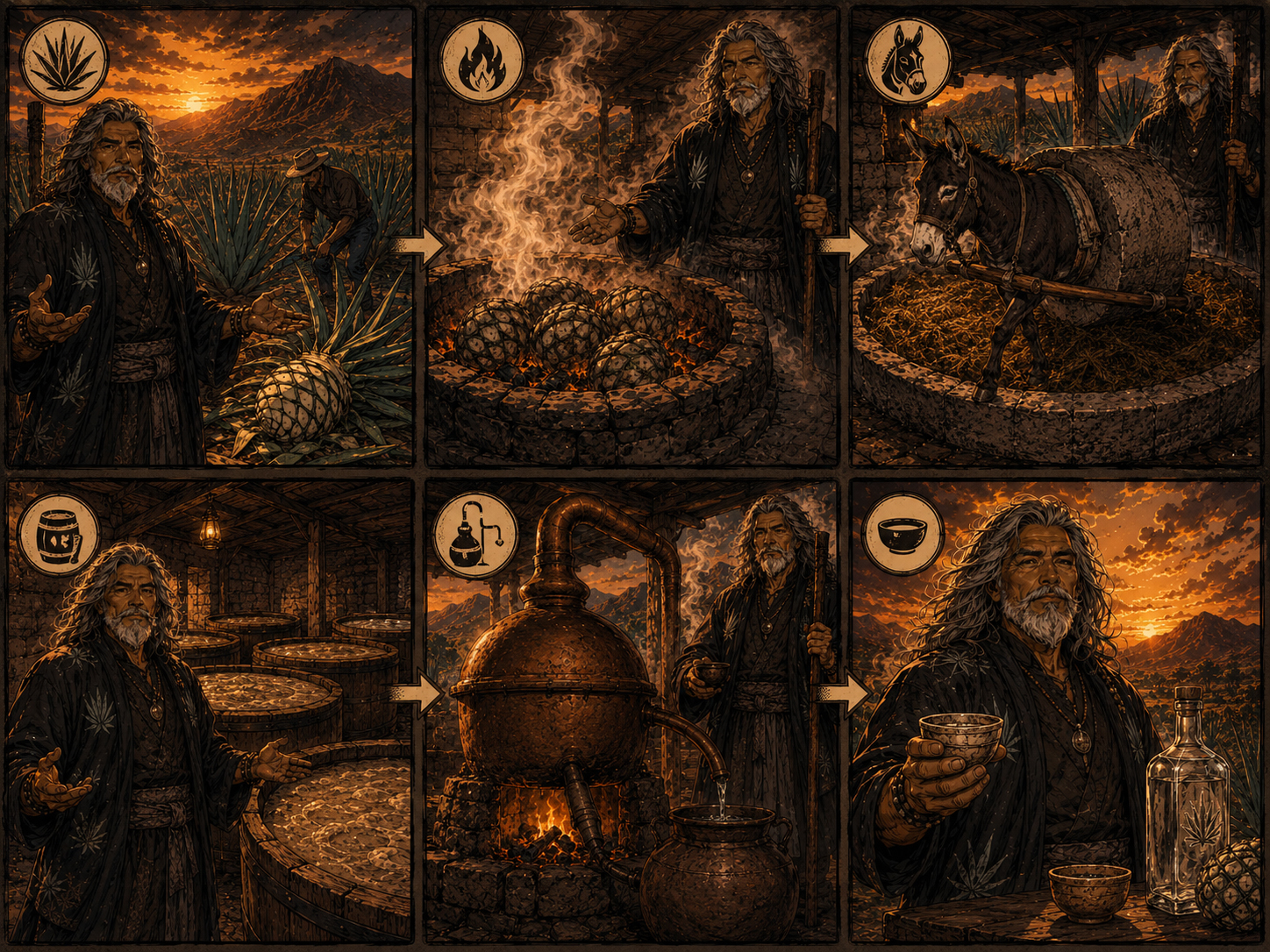
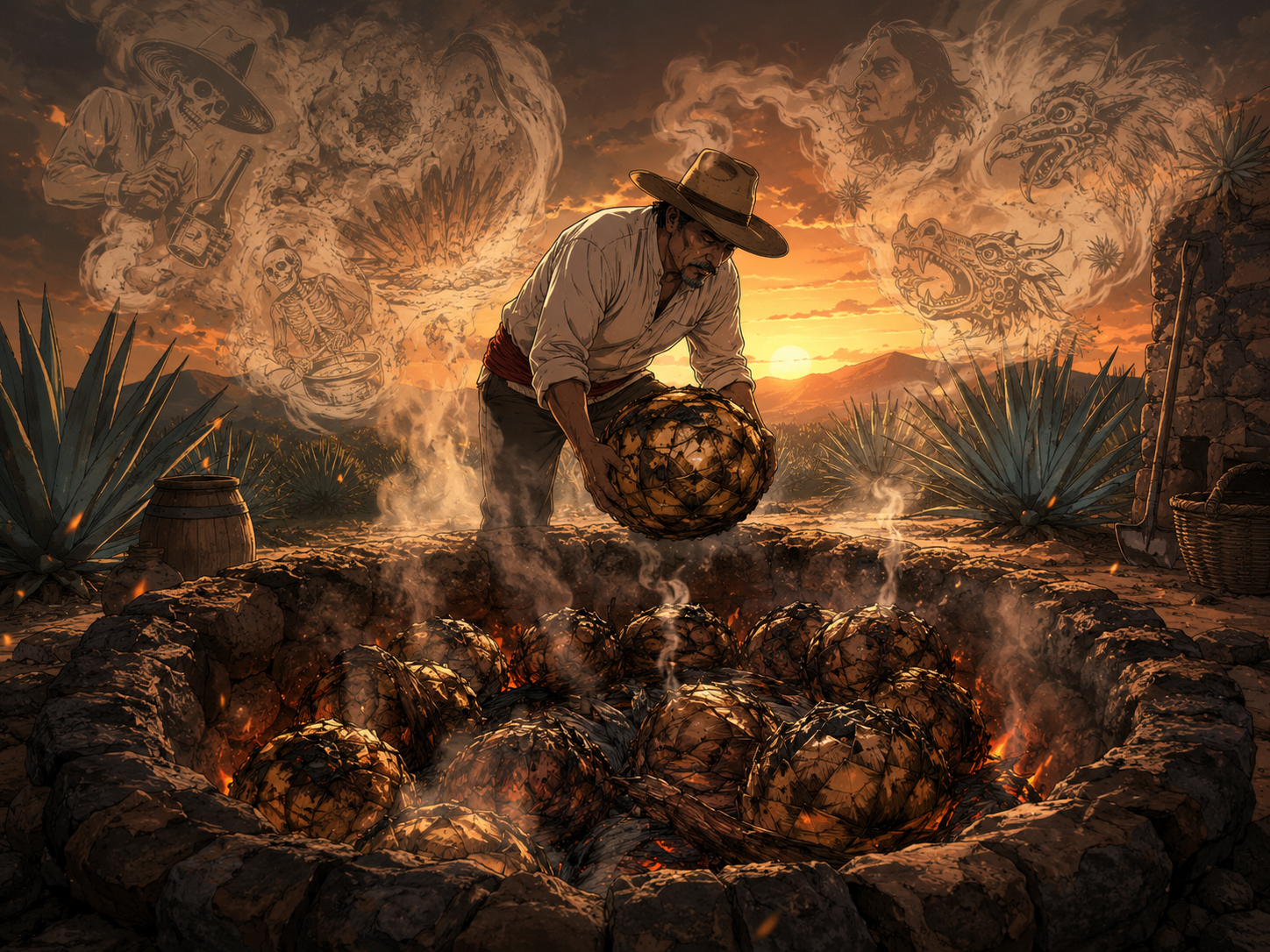
Mezcal production begins with cooking the agave. Traditional mezcals often use earthen pit ovens, where piñas are roasted with hot stones, wood, earth, and time. This can create roasted, earthy, caramelized, and smoky flavors.
In category discussions, the oven matters because it signals how the agave was transformed. The cooking method is not decoration. It changes flavor, texture, sugar conversion, and aroma.
Crushing: tahona, mallets, mills, and muscle
After cooking, agave must be crushed. Artesanal mezcal may use traditional stone wheels, mechanical mills, or other permitted crushing approaches depending on the rules and producer. Ancestral mezcal generally leans harder into manual or traditional crushing methods.
This is where Tahona Donkey becomes extremely relevant and slightly smug.
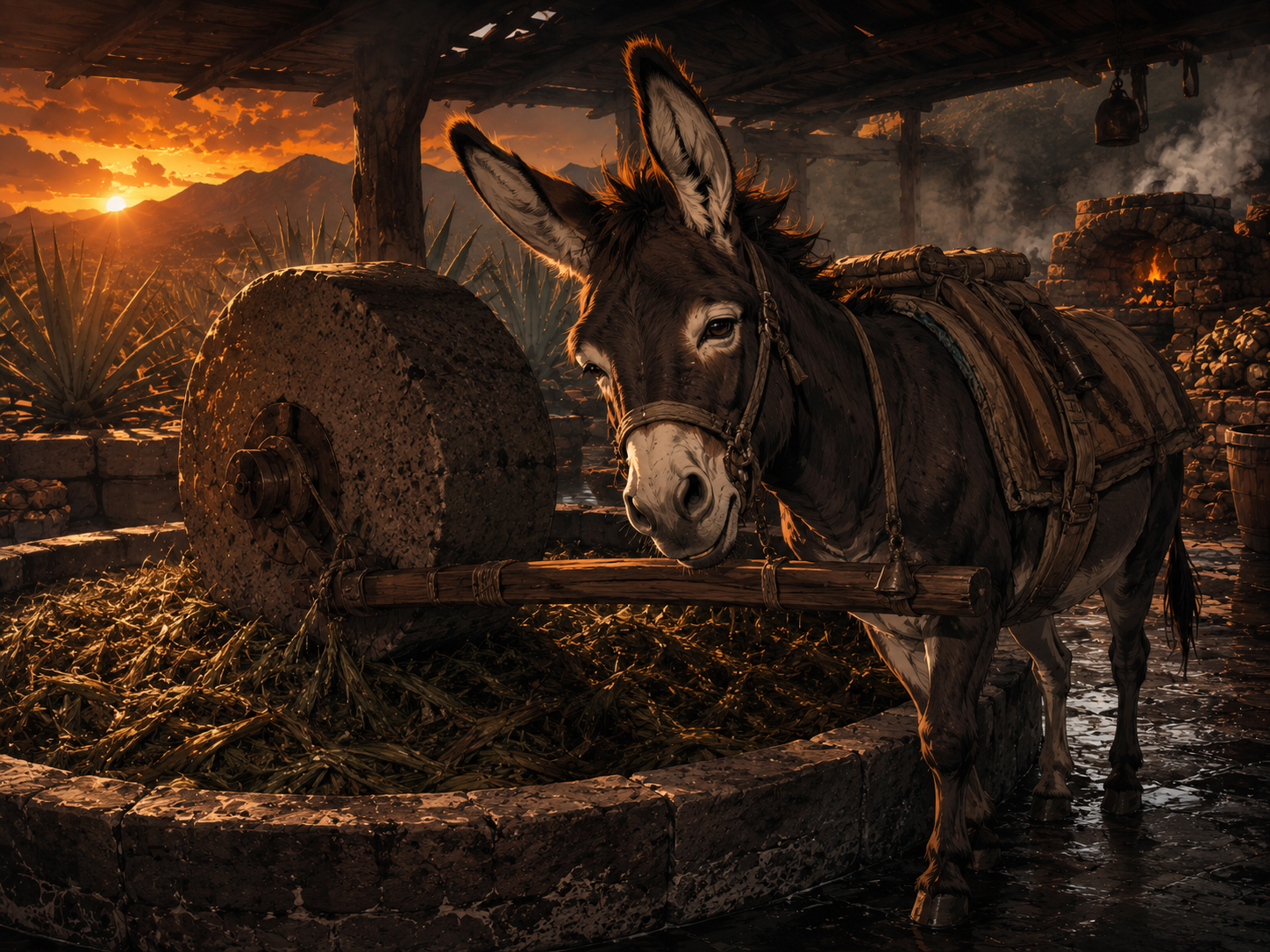
Tahona Donkey says:
“Before calling traditional crushing romantic, please move this stone wheel for six hours. I will supervise from the shade.”
Fermentation: where the weird beauty begins
Fermentation is where cooked agave sugars become alcohol. Traditional fermentation may occur in wood, stone, clay, masonry, hides, or other vessels depending on local practice and category. Natural yeasts and local conditions can create fruit, acidity, funk, floral notes, herbs, and savory character.
If roasting is the dramatic entrance, fermentation is the plot twist.
Distillation: copper vs clay
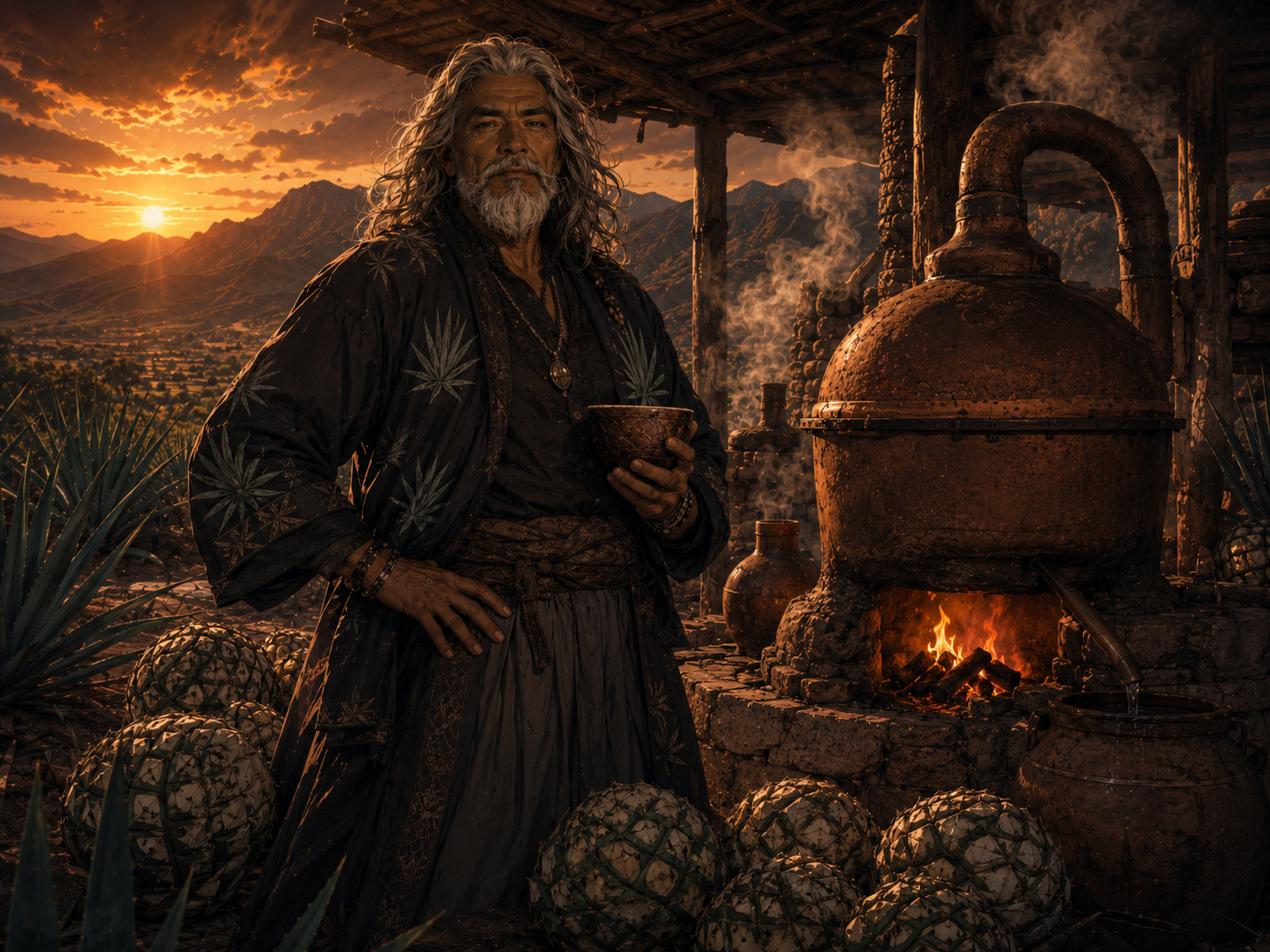
Distillation is one of the biggest differences people notice between artesanal and ancestral discussions. Artesanal mezcal can often use copper stills or other permitted still types. Ancestral mezcal is more closely associated with clay pots, wood, and other older-style systems.
Copper is not “bad” and clay is not “automatically magic.” Copper can produce clean, expressive, beautiful mezcal. Clay can create earthy, textured, mineral, or deeply distinctive spirits. The maker still has to make good cuts, manage the process, and understand the material.
| Still type | Possible effect | Goblin correction |
|---|---|---|
| Copper still | Can produce clean, precise, expressive distillates depending on producer skill. | Copper is not “less real.” Stop being dramatic. |
| Clay still | Can create earthy, mineral, textured, rustic, or highly distinctive character. | Clay is not a cheat code. Bad clay mezcal can still be bad. |
| Wood / traditional systems | Can reflect deeply local practices and distinctive production heritage. | Old does not mean careless. Old can be extremely skilled. |
Is ancestral mezcal better?
Not automatically. Ancestral mezcal can be extraordinary, but quality still depends on agave, maturity, fermentation, distillation, producer skill, balance, storage, bottling, and honest labeling.
“Ancestral” can signal a more restrictive traditional method, but it does not guarantee that you will like the flavor. Some ancestral mezcals are intense, unusual, earthy, or challenging. That can be wonderful. It can also surprise a beginner whose only plan was “look sophisticated.”
Is artesanal mezcal less traditional?
No. Artesanal mezcal can be deeply traditional and highly skilled. Many beloved mezcals are artesanal. The category can include pit roasting, traditional fermentation, tahona crushing, copper distillation, and other craft practices.
Do not let category snobbery replace tasting. A well-made artesanal mezcal can easily beat a poorly made ancestral mezcal. The bottle does not win because of one word on the label.
Madame Terroir’s ruling
“The category explains the method. It does not replace the maker.”
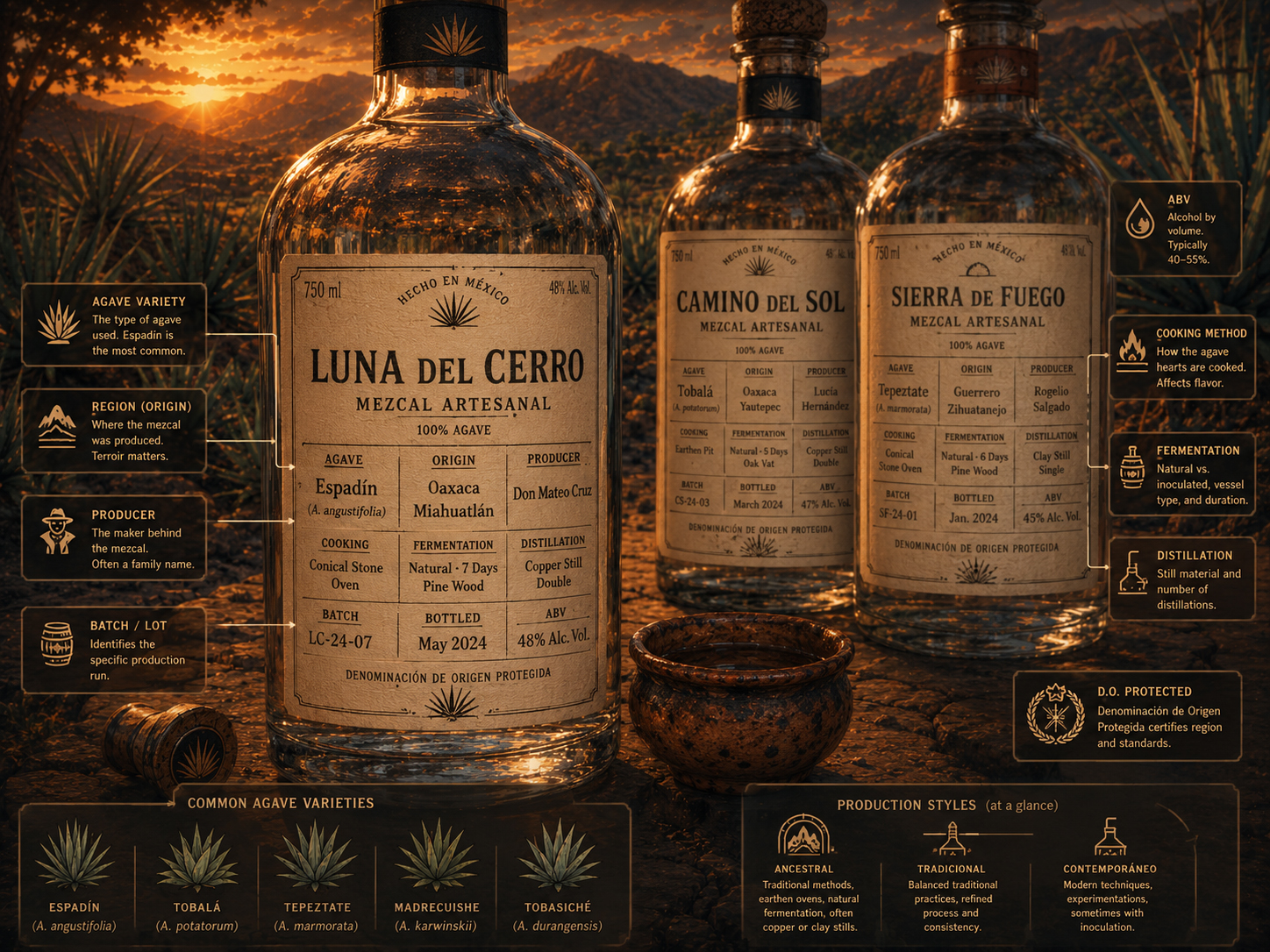
How to read these categories on a label
- Find the category: Mezcal, artesanal, or ancestral.
- Find the agave: Espadín, tobalá, tepeztate, blend, or another maguey.
- Find the producer: A real name matters more than marketing fog.
- Find the place: Town, state, palenque, or production region.
- Find the ABV: Strength changes aroma, texture, and drinking experience.
- Look for method notes: Oven, crushing, fermentation vessel, and still type.
Beginner buying advice
Start with a well-labeled artesanal espadín from a producer with clear information. Then compare it with another artesanal mezcal from a different producer. After that, try an ancestral mezcal if you want to explore more intense traditional methods.
Do not jump straight into the rarest ancestral bottle just because it sounds like a wizard spell. The wizard may be real, but your palate still needs training.
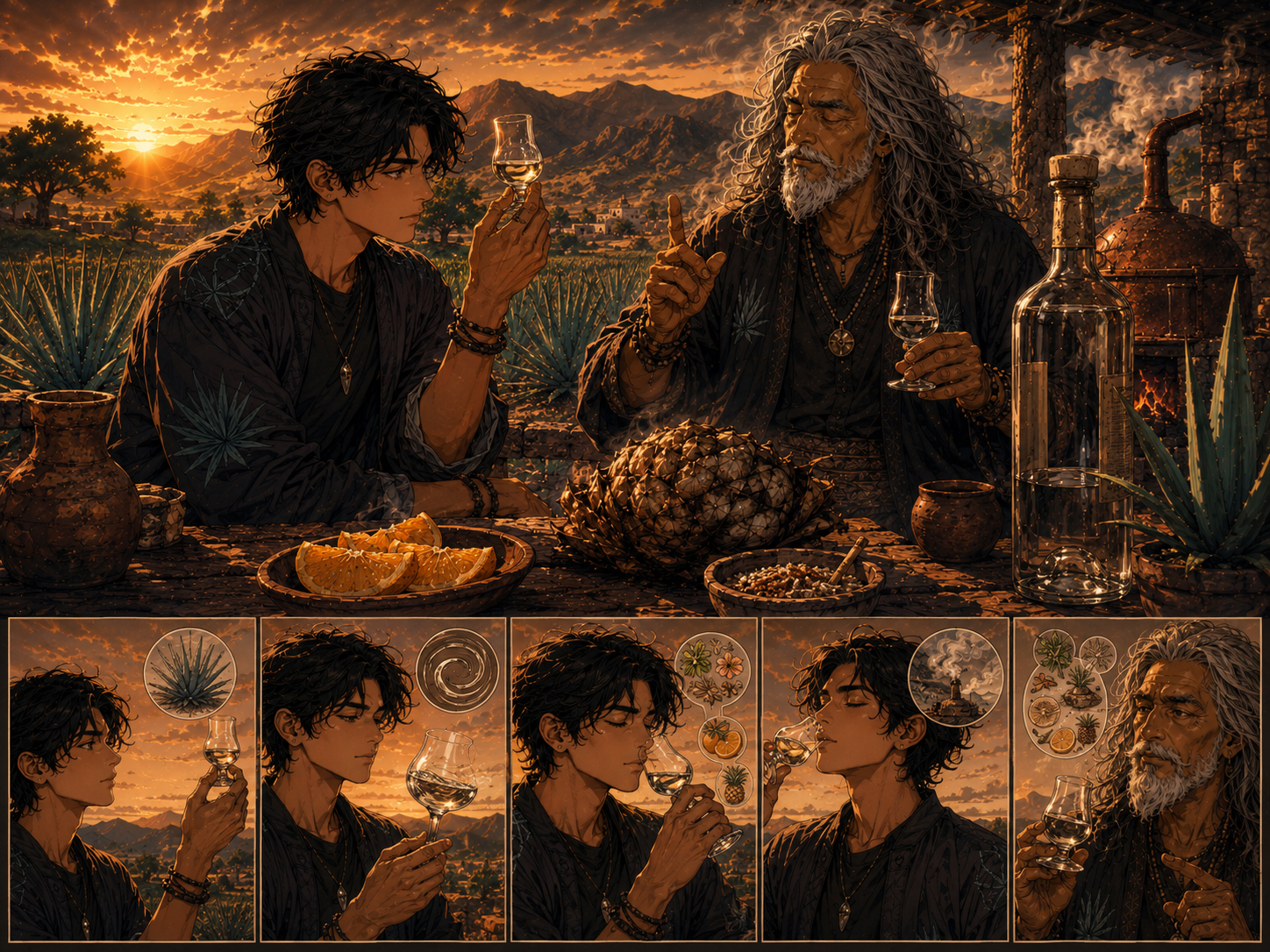
The MezcalDaily rule
Artesanal and ancestral describe how mezcal is made. They do not excuse bad mezcal, guarantee great mezcal, or replace the need to read the label.
Respect the old methods. Respect the skilled new tools. Respect the maker. And if the Label Goblin tries to sell you a bottle based only on one romantic word, ask for the details.
Responsible drinking note
MezcalDaily.com is for adults of legal drinking age. Sip slowly, hydrate, eat food, and do not drink and drive. Production knowledge should make tasting more thoughtful, not faster.