The fast answer
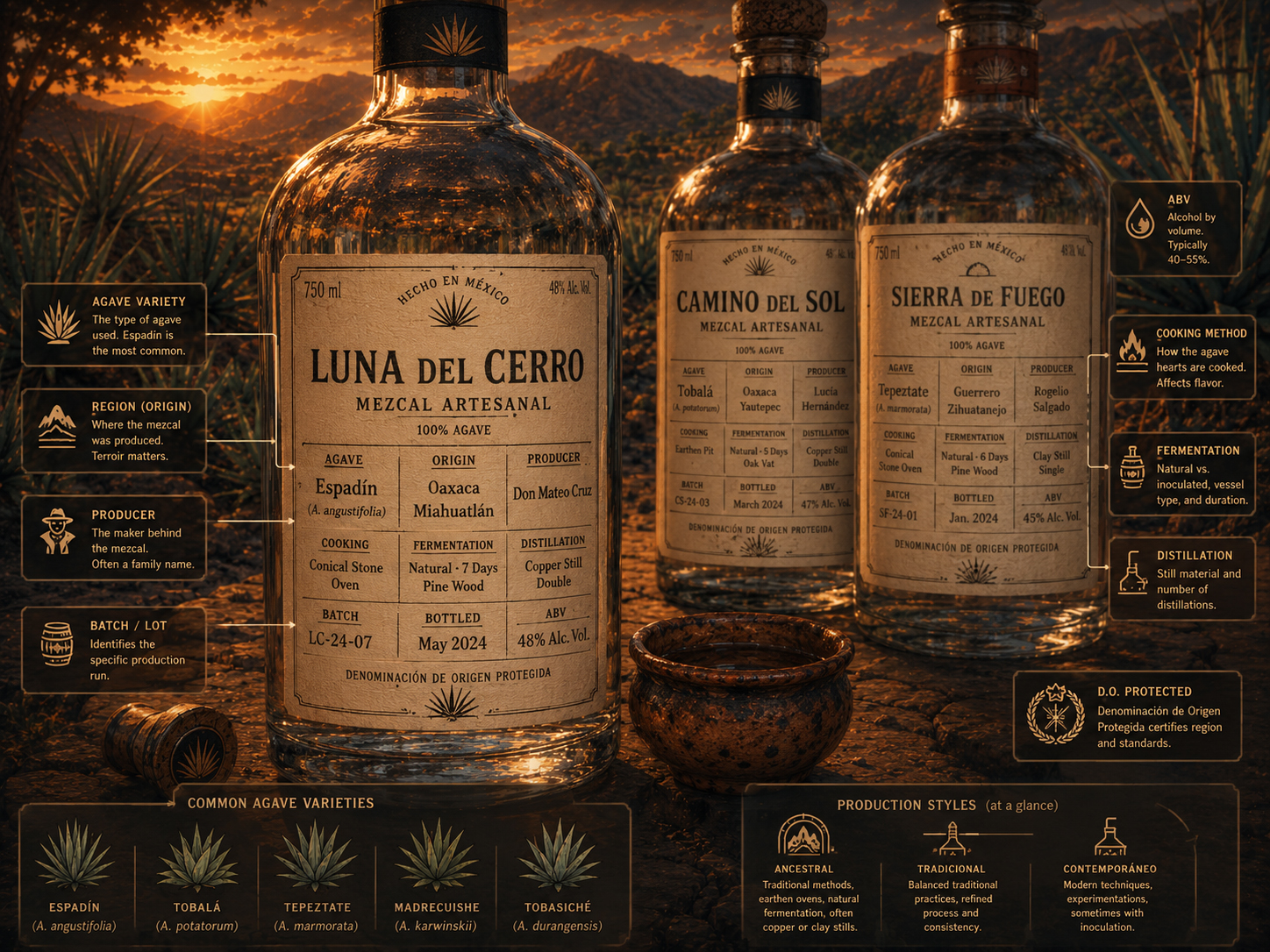
A good mezcal label helps you connect the bottle to plant, place, maker, and method.
Reading a mezcal label is not about being snobby. It is about knowing what you are drinking. The label should help answer basic questions: What agave was used? Where was it made? Who made it? How strong is it? What production category is it? Was it made in a way that matches the story being sold?
The Label Goblin survives on vague words. “Ancient,” “mystical,” “premium,” and “authentic” are not enough by themselves. Useful details beat fog every time.
Label Goblin warning
If a bottle gives you a dramatic sunset poem but no producer, agave, region, batch, or ABV, the goblin may be operating the printer.
The main things to look for
| Label item | Why it matters | MezcalDaily translation |
|---|---|---|
| Agave / maguey | Tells you the plant used, such as espadín, tobalá, tepeztate, or a blend. | Who is the plant hero? |
| Producer / mezcalero | Connects the bottle to the person or family making it. | Who did the real work? |
| Town / state / region | Place shapes tradition, agave, water, fermentation, and style. | Where did the flavor grow up? |
| Category | May show Mezcal, Mezcal Artesanal, or Mezcal Ancestral. | What method lane is this in? |
| ABV | Alcohol strength affects aroma, texture, heat, and balance. | How loud is the spirit speaking? |
| Batch / lot | Small-batch spirits can vary. Batch info helps comparison. | Which chapter of the story is this? |
| Method notes | Oven, crushing, fermentation vessel, still type, and resting details matter. | How did the agave become mezcal? |
Agave name
The agave name is one of the first things to find. Espadín is common and often beginner-friendly. Tobalá, tepeztate, and other less-common agaves may be distinctive, rare, expensive, or more sensitive from a sustainability standpoint.
Do not buy only by agave name. A famous plant can still make an ordinary bottle. A common agave can make something beautiful. The plant is the lead singer, not the entire band.
Producer or mezcalero
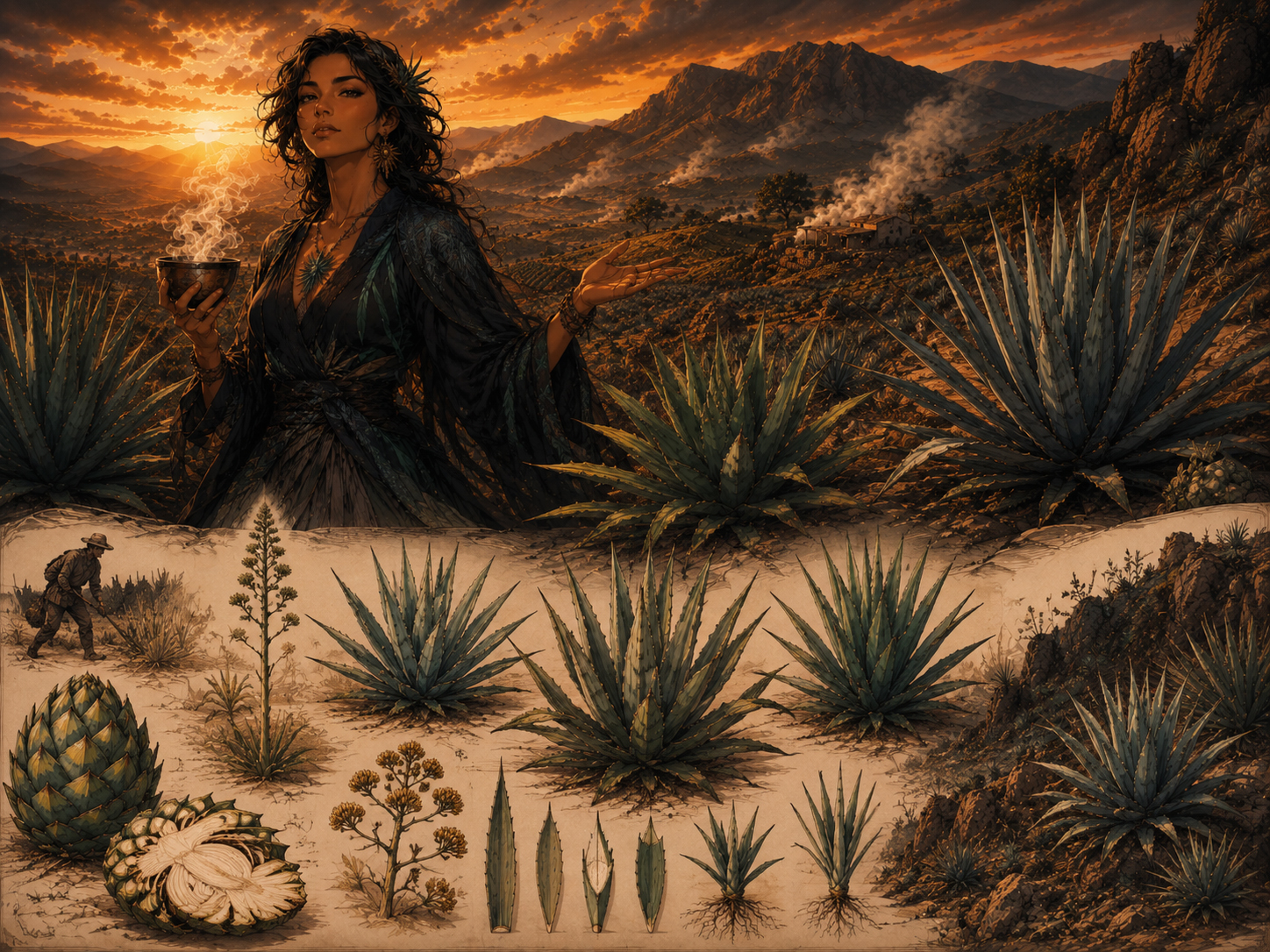
Look for the person, family, palenque, vinata, or production site behind the bottle. Producer identity matters because mezcal is craft. The maker’s choices shape harvest timing, roasting, fermentation, distillation, cuts, proofing, resting, and final balance.
A label that highlights a brand but hides the maker may still be legal or common, but it gives you less useful information. MezcalDaily likes clear credit. The Label Goblin prefers vague celebrity lighting.
Region, town, and state
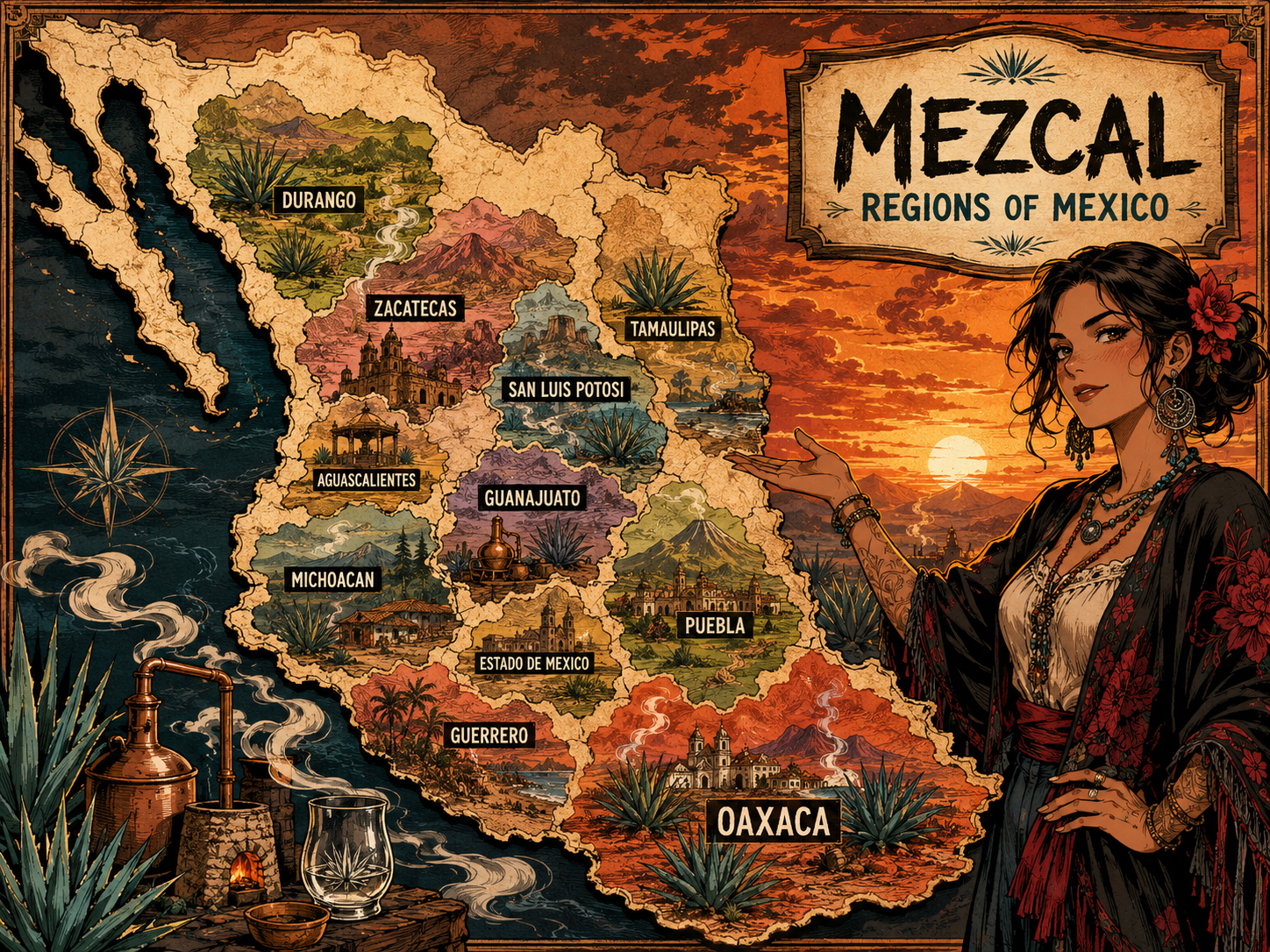
“Mexico” is not enough. “Oaxaca” is better. A specific town or production community is better still. Region can influence agave varieties, water, local yeasts, climate, tools, and tradition.
Some mezcal denomination approvals are tied to specific states or municipalities, so geography can be both cultural and legal. If a label is vague about place, ask why.
Category: Mezcal, Artesanal, or Ancestral
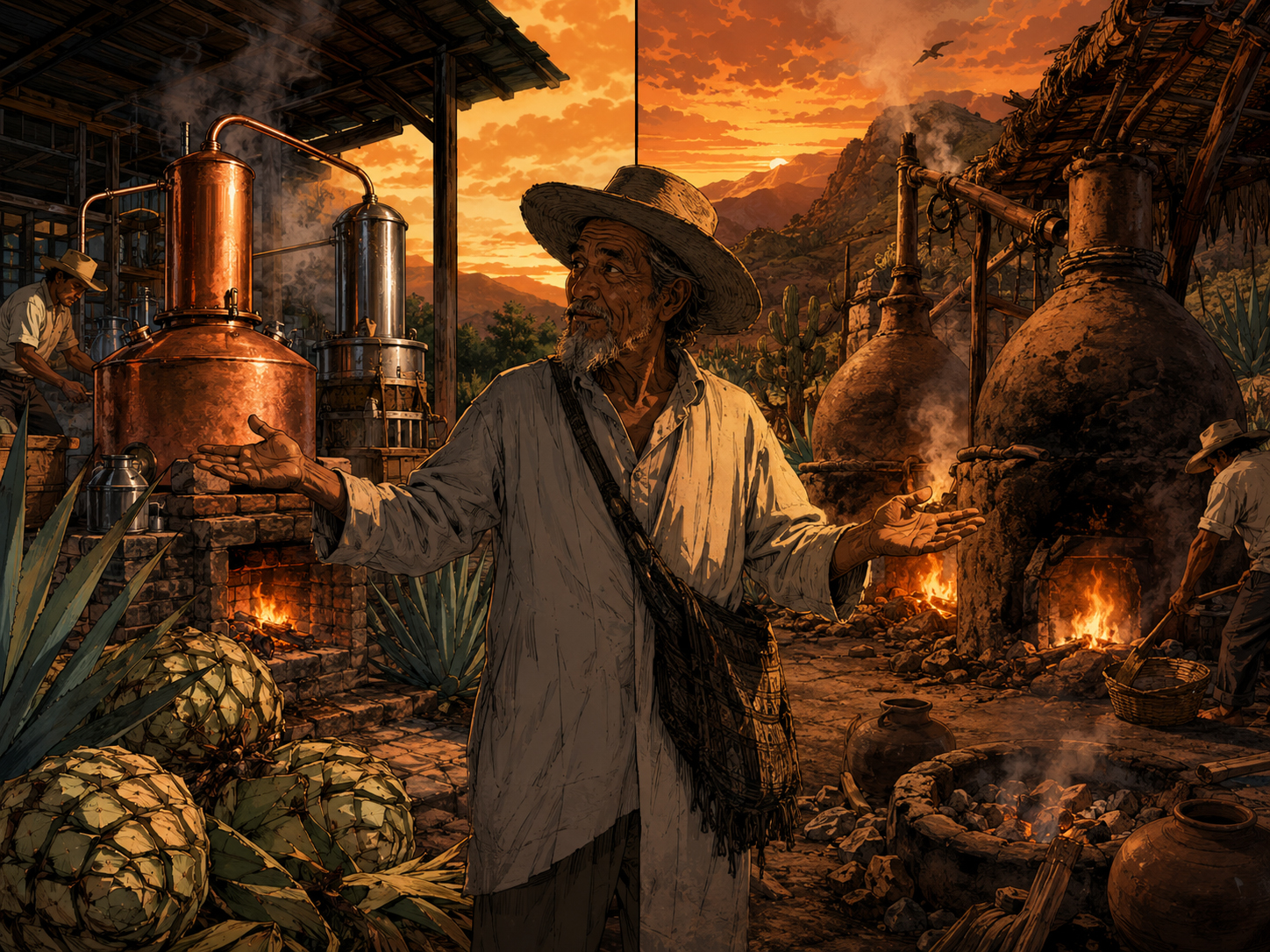
Labels may identify a production category. These categories point toward production method, not automatic quality. Artesanal can be excellent. Ancestral can be excellent. Either can disappoint. The category explains tools and process. It does not replace tasting.
| Category | Basic idea | What to remember |
|---|---|---|
| Mezcal | Broad category under mezcal rules. | Can include more modern or industrial methods depending on production. |
| Mezcal Artesanal | Traditional/artisanal methods with permitted tools and still types. | Often craft-focused; not automatically better or worse than ancestral. |
| Mezcal Ancestral | More restrictive traditional methods, often involving hand/stone crushing and clay-style distillation. | Can be intense and beautiful; still depends on producer skill. |
ABV: alcohol by volume
ABV tells you the alcohol strength. Mezcal may be bottled at higher strengths than some beginners expect. Higher ABV can carry aroma and texture beautifully, but it can also feel hot if unbalanced.
Always check ABV before tasting. A tiny sip of a strong mezcal can tell you a lot. A giant sip can tell everyone else you failed to read the label.
Agave Boy’s ABV rule
Read the number before the number reads you.
Batch, lot, and bottle details
Mezcal can vary by batch because agave, fermentation, weather, and production choices can vary. Batch or lot numbers help you track what you tasted. This is especially useful for small producers and limited bottlings.
If you love a bottle, write down the batch. Future-you will thank present-you. Future-you is very tired of vague memories.
Method notes
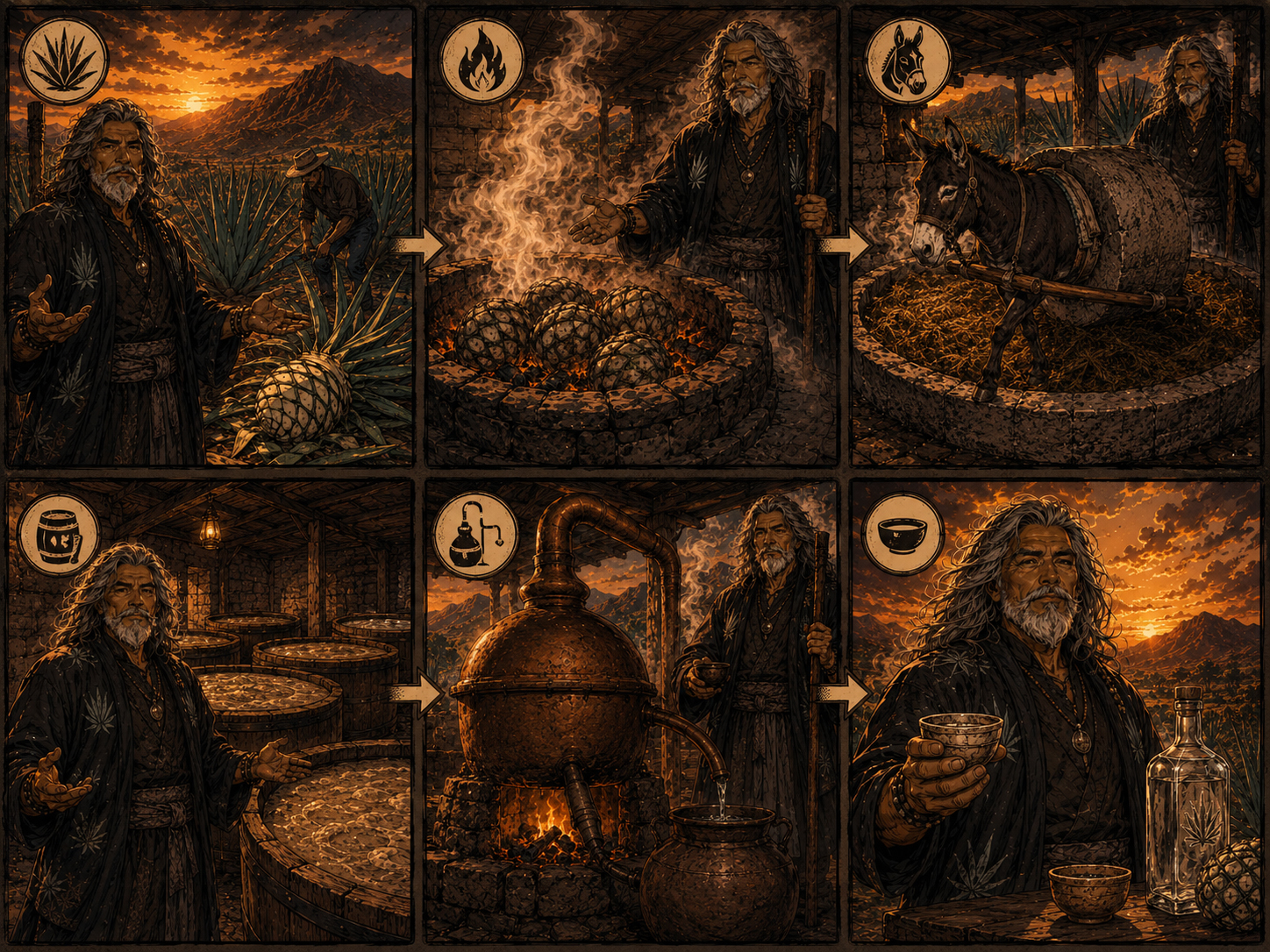
The most informative labels often mention production details: earthen pit oven, tahona, mechanical mill, wooden fermentation vats, wild fermentation, copper still, clay still, double distillation, resting vessel, or other choices.
Method notes help explain why one bottle tastes smoky, earthy, fruity, mineral, funky, clean, rustic, or intense. Without method details, you are guessing in the dark while the Label Goblin plays tiny maracas.
Certification and NOM details
Many certified mezcal labels include regulatory or certification information. These details can help show that the bottle is part of the official mezcal system. However, certification language can be confusing, and some traditional agave spirits may exist outside official labeling systems for legal, regional, economic, or cultural reasons.
For a consumer label guide, the practical move is: read what is there, notice what is missing, and use official sources when legal status matters. Do not let a code number become a magic spell.
Goblin paperwork alert
NOMs, certifiers, and denomination language can change or get complicated. The label is a clue. Official records are the judge.
Red flags on a mezcal label
| Red flag | Why it matters |
|---|---|
| Lots of romance, few facts | A label should not replace useful details with smoke poetry. |
| No producer identity | Maker information helps connect the bottle to real craft. |
| Vague agave wording | “Agave” alone may not tell you enough. |
| No place beyond “Mexico” | Region and town matter for learning and transparency. |
| Rare-agave hype without sourcing info | Rare plants deserve responsible harvesting and regeneration. |
| Unclear ABV | Strength affects tasting and responsible consumption. |
Green flags on a mezcal label
- Clear agave name: The plant is identified.
- Producer credit: The maker or family is named.
- Specific place: Town, state, or production community is listed.
- Production method: Oven, crushing, fermentation, and still details appear.
- Batch or lot: The bottle can be tracked and compared.
- ABV is easy to find: You know the strength before tasting.
- Responsible sourcing notes: Especially important for wild or rare agaves.
How to use a label while tasting
Before you sip, read the label. Then taste and see if the glass connects to the information. Does the agave name make sense? Does the region match the profile? Does the ABV explain the texture? Do method notes explain smoke, minerals, fruit, or rustic character?
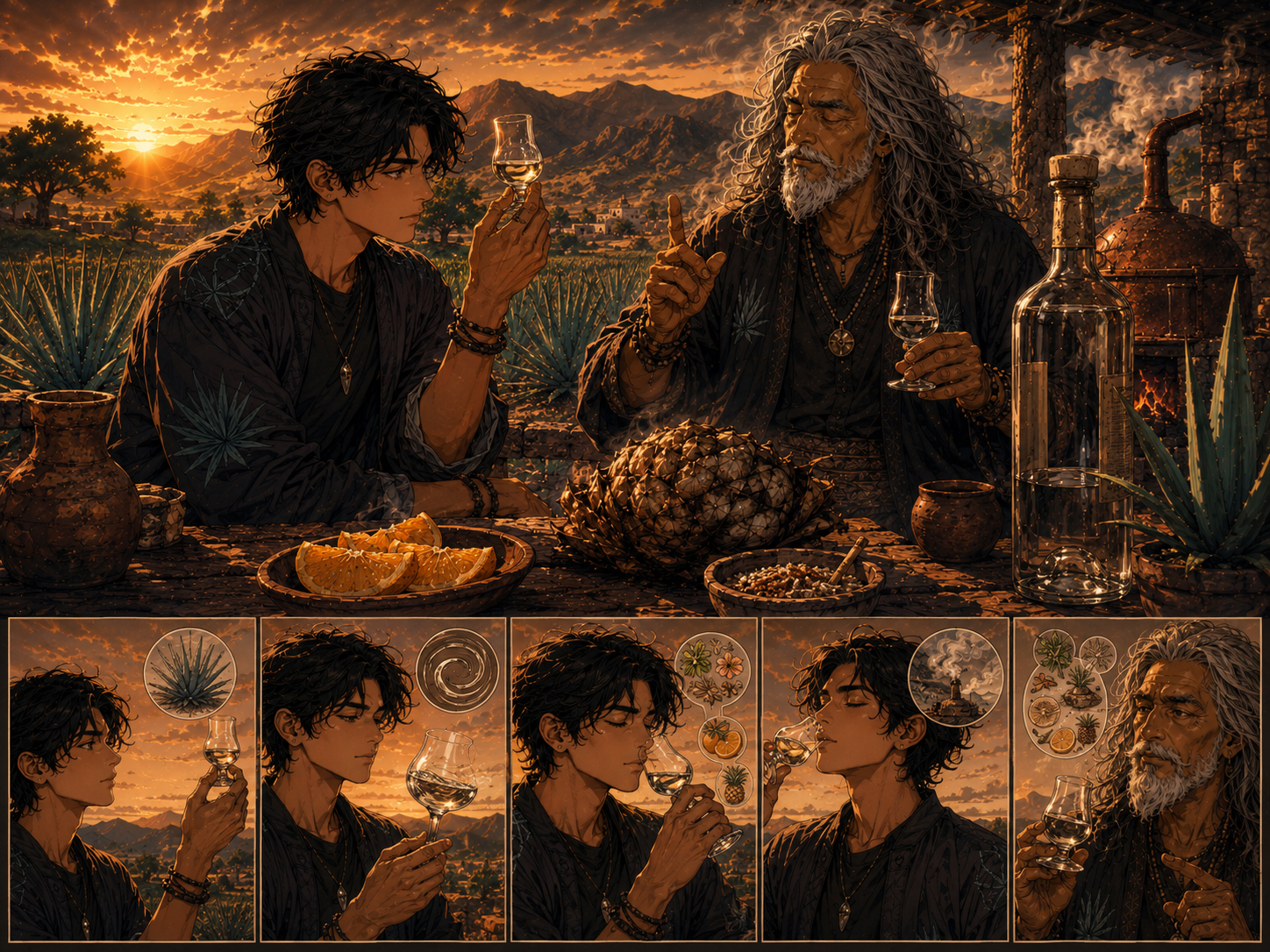
The label is not the flavor, but it is the map that helps you understand the journey.
A label will not tell you whether you personally like a mezcal. It will tell you what to pay attention to. That is enough to make you a smarter drinker and a worse customer for goblin marketing.
Responsible drinking note
MezcalDaily.com is for adults of legal drinking age. Read labels, sip slowly, hydrate, eat food, and do not drink and drive. Label knowledge should make tasting more thoughtful, not more competitive.