The fast answer
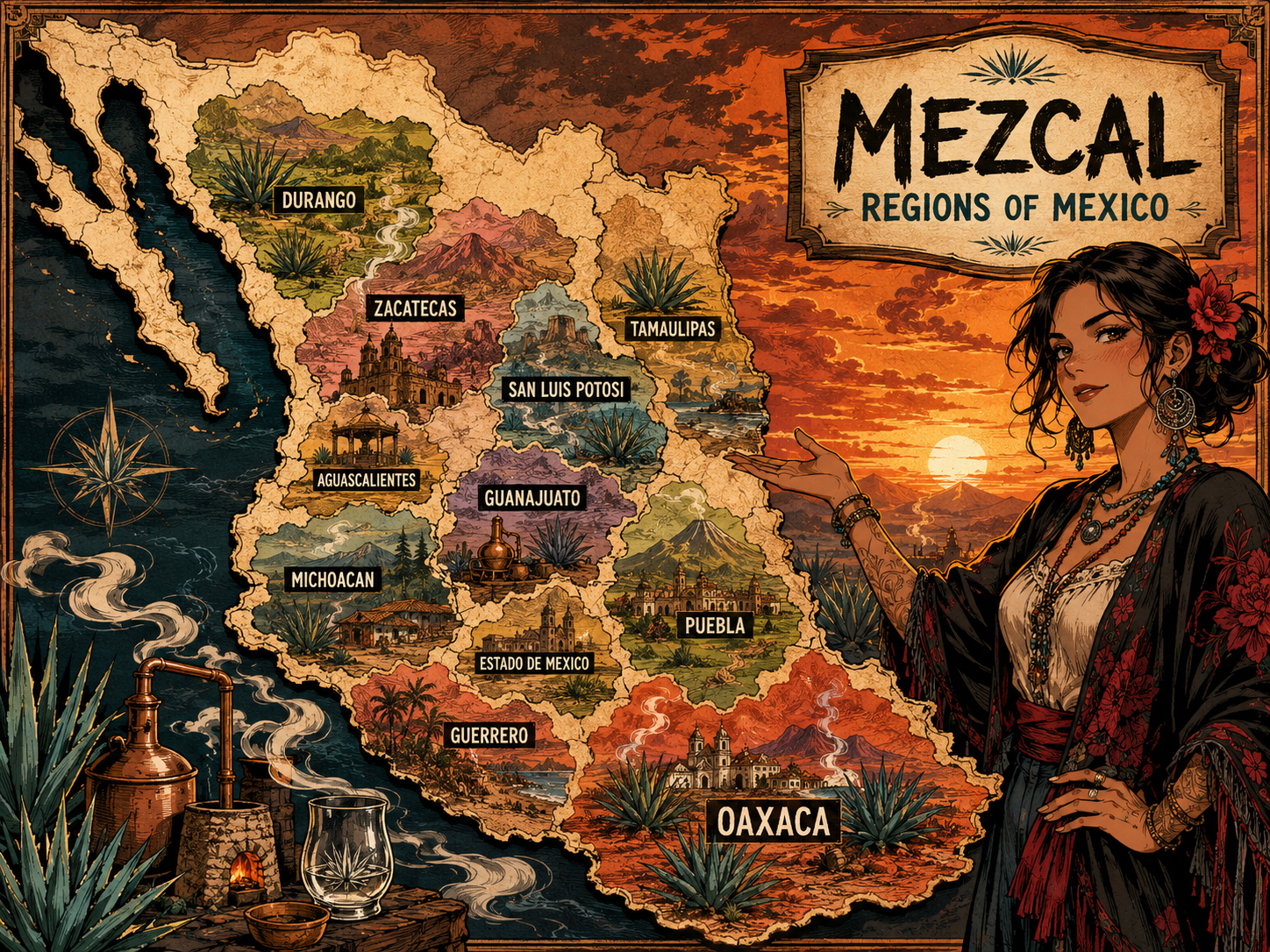
Oaxaca is the best-known mezcal region, but it is not the only mezcal region.
Oaxaca dominates public awareness of mezcal and remains one of the category’s most important production centers. Recent reporting and industry summaries continue to describe Oaxaca as the leading mezcal-producing state, with some estimates placing its share of certified production well above any other region. The exact percentage can vary by year, market channel, and source, so MezcalDaily’s safe rule is simple: Oaxaca is huge, but Oaxaca is not all of mezcal.
That distinction matters. Oaxaca deserves respect, not oversimplification. Other Mexican regions also have serious agave traditions, distinctive landscapes, and excellent producers. If the Label Goblin tells you “Oaxaca equals mezcal, case closed,” confiscate his tiny map.
Agave Boy’s Oaxaca lesson
Oaxaca is the big doorway into mezcal. Walk through it proudly — then remember there are many rooms beyond the doorway.
Why Oaxaca became so famous
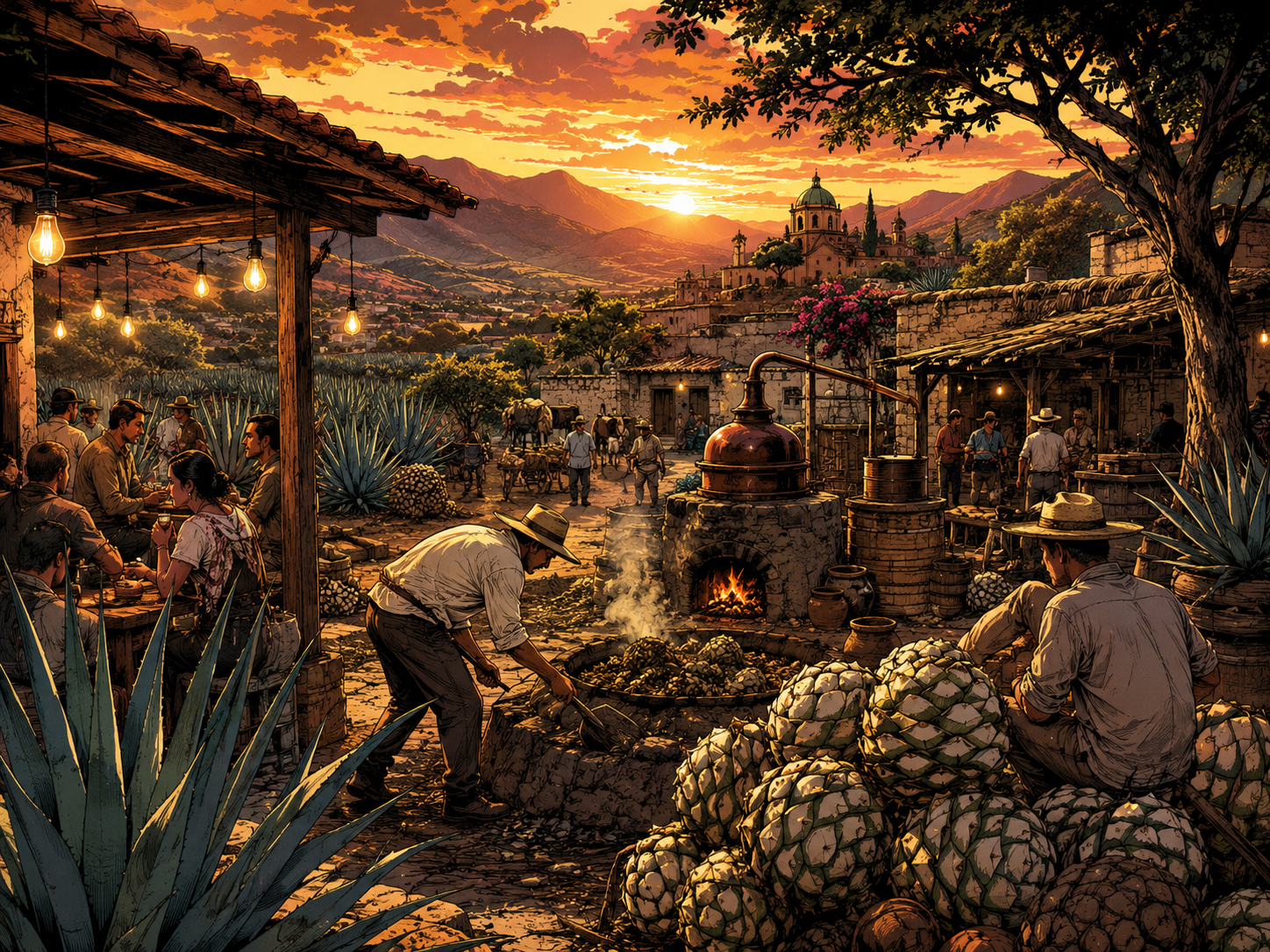
Oaxaca has the ingredients that make mezcal culture visible: diverse agaves, famous producing villages, strong food culture, tourism, family producers, palenques, long craft traditions, and a landscape that makes every sunset look like a bottle label trying to win an award.
It also benefited from international attention. Many drinkers outside Mexico first discovered artisanal mezcal through Oaxacan producers and brands, which made Oaxaca almost synonymous with mezcal in bars, shops, restaurants, and cocktail programs.

What makes Oaxaca mezcal taste Oaxacan?
There is no single Oaxacan flavor. Oaxaca is too varied for that. A bottle from one village, producer, agave, or palenque can taste very different from another. Still, many Oaxacan mezcals introduce drinkers to classic notes: roasted agave, smoke, earth, herbs, fruit, minerals, spice, and fermentation complexity.
The flavor comes from the full chain: agave variety, maturity, field conditions, roasting, crushing, fermentation, water, still type, cuts, resting, proof, and the producer’s judgment. “Oaxaca” gives context. It does not replace the label.
| Oaxaca factor | Why it matters | MezcalDaily translation |
|---|---|---|
| Village or town | Local methods, microclimates, and traditions can vary significantly. | The map zooms in and starts talking. |
| Agave | Espadín, tobalá, tepeztate, madrecuixe, and other magueys can behave differently. | The plant chooses the opening song. |
| Roasting | Earthen pit cooking can create roasted, earthy, caramelized, and smoky notes. | Smoke Sensei arrives with dramatic lighting. |
| Fermentation | Local yeasts, vessels, temperature, water, and time shape aroma and complexity. | The invisible orchestra starts rehearsing. |
| Producer skill | The maker’s choices determine balance, texture, cuts, and final character. | The real signature on the bottle. |
Famous Oaxaca mezcal villages
Oaxaca has many mezcal-producing communities. Some are well known to visitors and drinkers, while others are more local or less visible internationally. A beginner may encounter names such as Santiago Matatlán, Santa Catarina Minas, San Luis del Río, Sola de Vega, Ejutla, Miahuatlán, and other towns or districts on labels and travel guides.
Do not treat these names as tourist stickers. Town names help connect the bottle to real geography, family knowledge, and production culture. A clearer label gives you a better chance to understand the mezcal rather than just admire the typography.
Label Goblin travel warning
“Made in Oaxaca” is useful. A town, producer, agave, batch, ABV, and method are more useful. The goblin hates useful details because they reduce his fog machine budget.
Espadín in Oaxaca
Many Oaxacan mezcals are made from espadín, a widely cultivated agave that serves as a major foundation of the category. Espadín is often approachable, versatile, and useful for learning how different producers and methods shape flavor.
Do not dismiss espadín because it is common. A well-made Oaxacan espadín can be beautiful: roasted, balanced, herbal, mineral, fruity, smoky, peppery, or bright. Common agave plus excellent production is not boring. It is competence with a cape.
Rare and wild agaves in Oaxaca
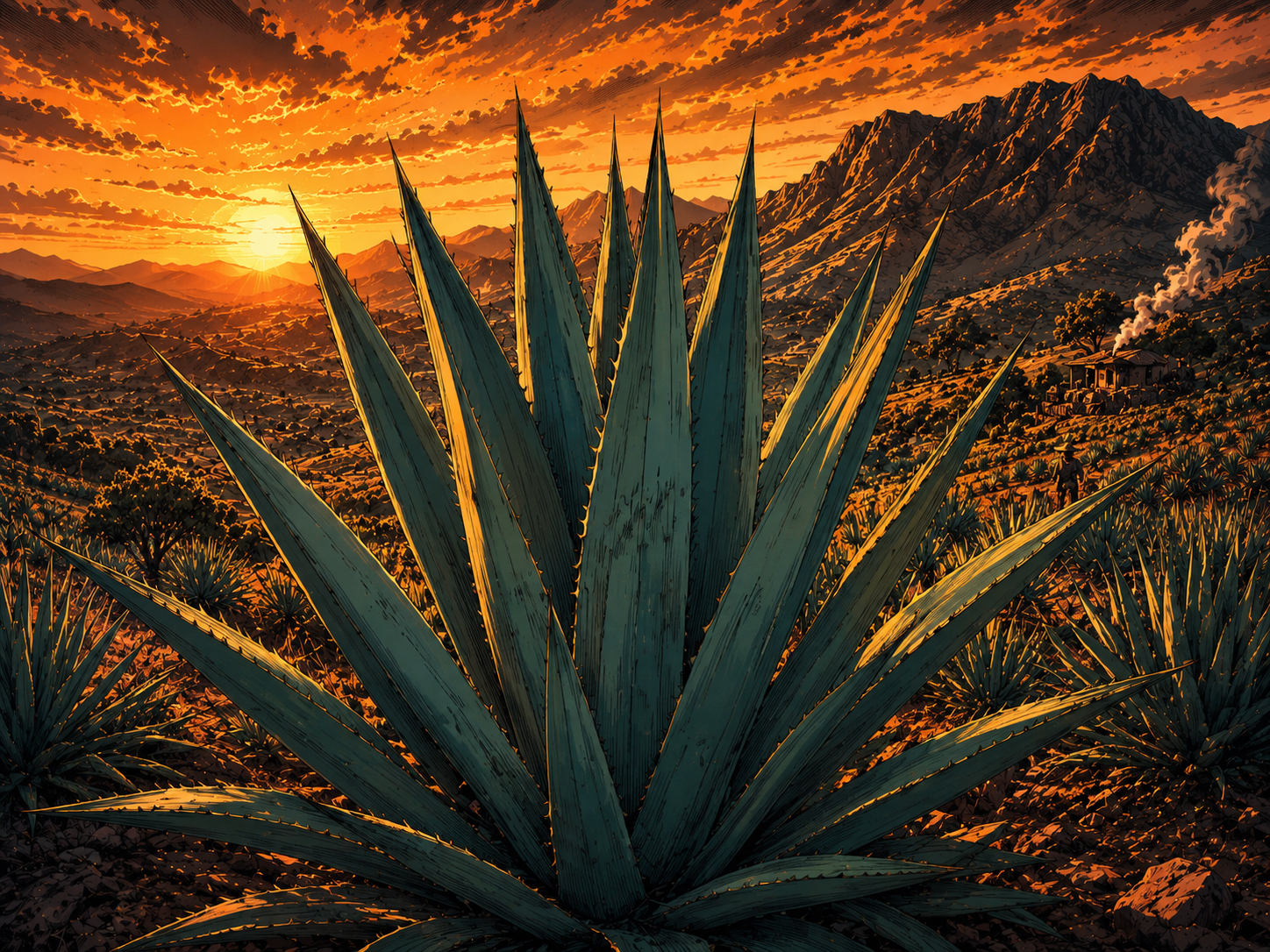
Oaxaca is also famous for distinctive agaves such as tobalá, tepeztate, madrecuixe, arroqueño, and others. These can produce exciting mezcals, but rare-agave enthusiasm should come with responsibility.
Ask about sourcing, replanting, producer practices, and whether demand is putting pressure on wild populations. Rare agave should not become a trophy hunt with better glassware.
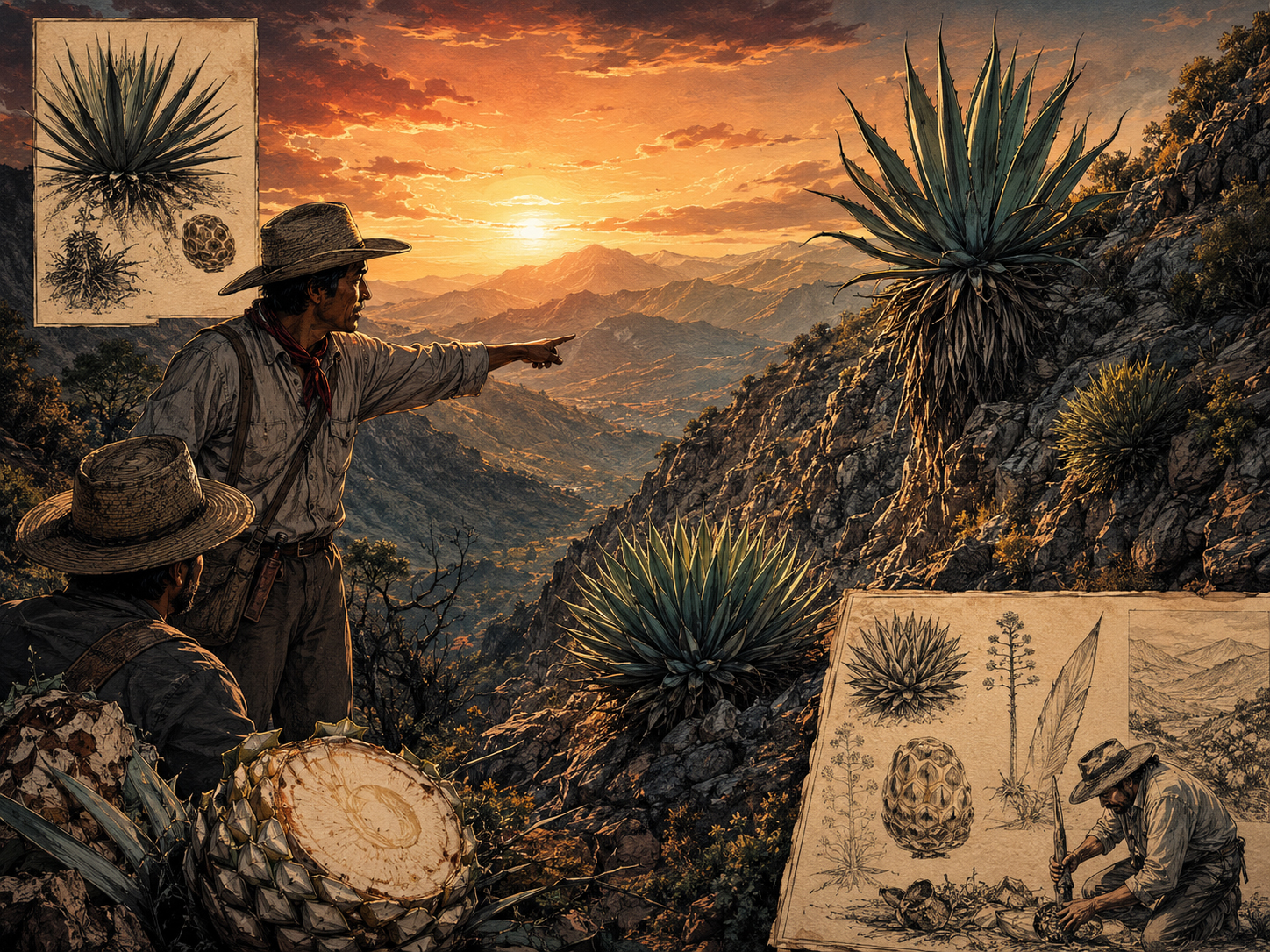
Oaxaca food and mezcal
Oaxaca’s food culture makes mezcal feel at home. Mole, tlayudas, roasted meats, fresh cheese, salsas, citrus, chocolate, chapulines, herbs, and regional snacks can all create beautiful pairings. The goal is not to overpower the mezcal. The goal is conversation.
If the pairing makes both the food and mezcal more interesting, you are doing it right. If everything tastes like smoke and panic, reduce the drama and drink some water.
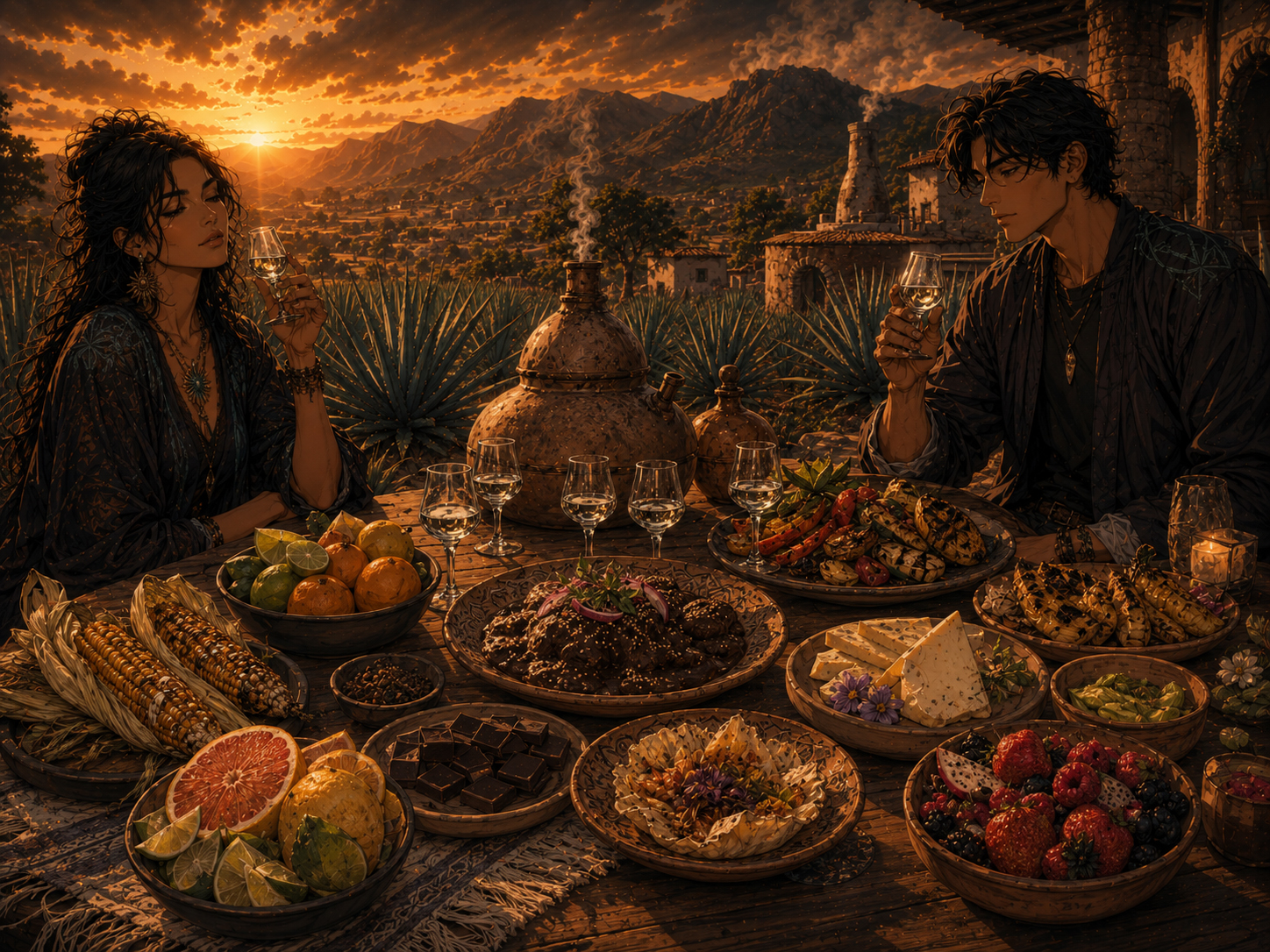
Tourism and respect
Visiting Oaxaca for mezcal can be wonderful, but mezcal tourism should be respectful. A palenque is not a theme park. Production spaces are workplaces, family sites, and cultural spaces. Ask before taking photos, pay fairly, listen more than you perform, and do not treat traditional production as a prop for your vacation.
Also: tasting mezcal all day in the sun is not heroic. It is how the Cocktail Shaker Goblin gets promoted to travel director.
Environmental pressure
Mezcal’s growth brings opportunity, but it can also create pressure on agave supply, water, wood, land, waste streams, and producer communities. Recent reporting continues to highlight environmental concerns around mezcal’s popularity, including demand for agave, firewood, and water in production.
A responsible Oaxaca mezcal conversation should include regeneration, replanting, fair pay, wood sourcing, waste management, biodiversity, and long-term local benefit. A beautiful spirit should not leave an ugly footprint.
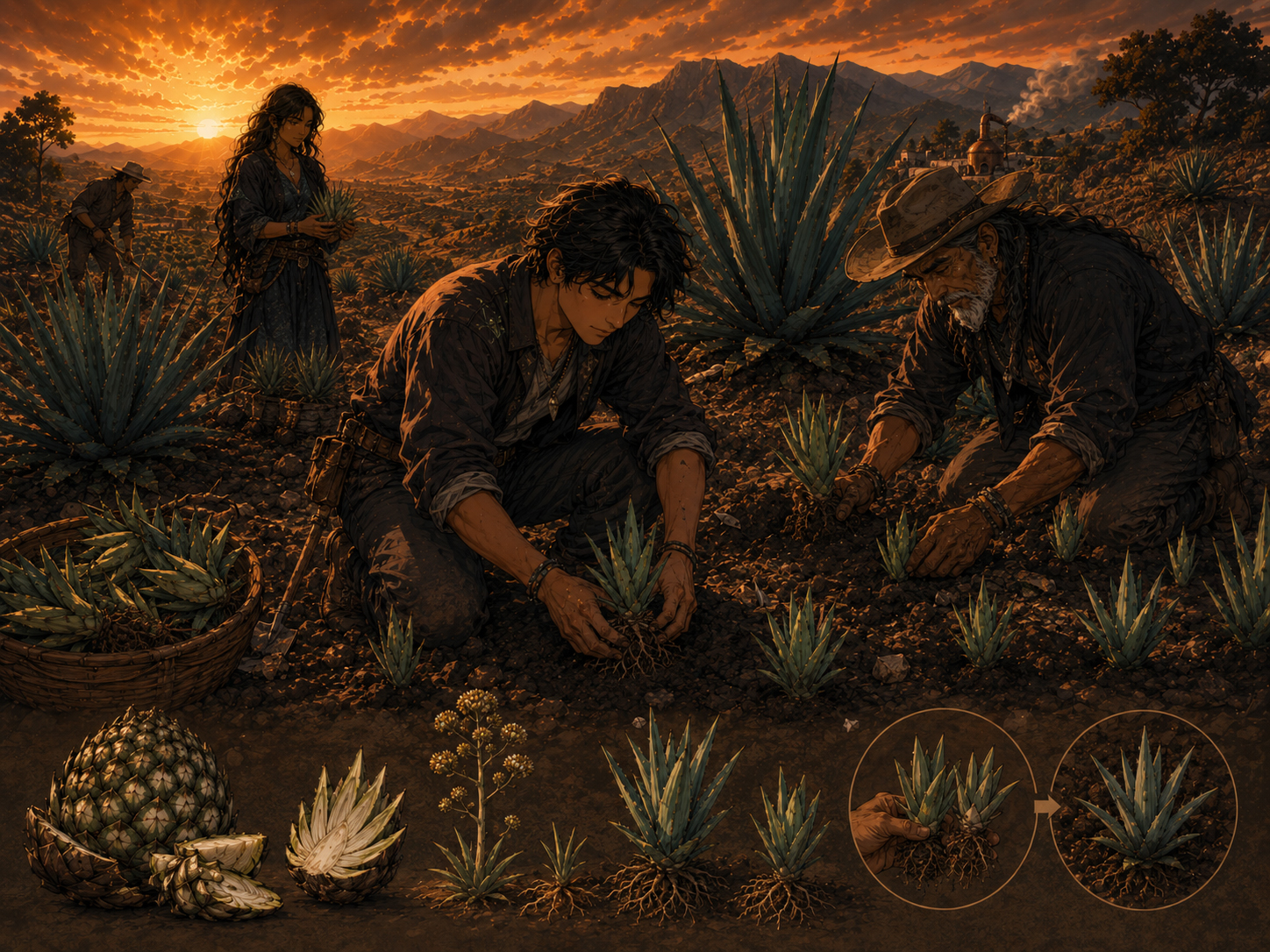
How to taste Oaxaca mezcal
- Start with small pours. Oaxaca is not a speed challenge.
- Read the label. Look for town, producer, agave, ABV, batch, and method.
- Compare within Oaxaca. Try two producers, towns, or agaves side by side.
- Compare beyond Oaxaca. Taste against mezcal from Durango, Guerrero, Puebla, or another region.
- Watch the smoke bias. Do not judge quality only by smoke level.
- Hydrate and eat. Responsible tasting is smarter tasting.
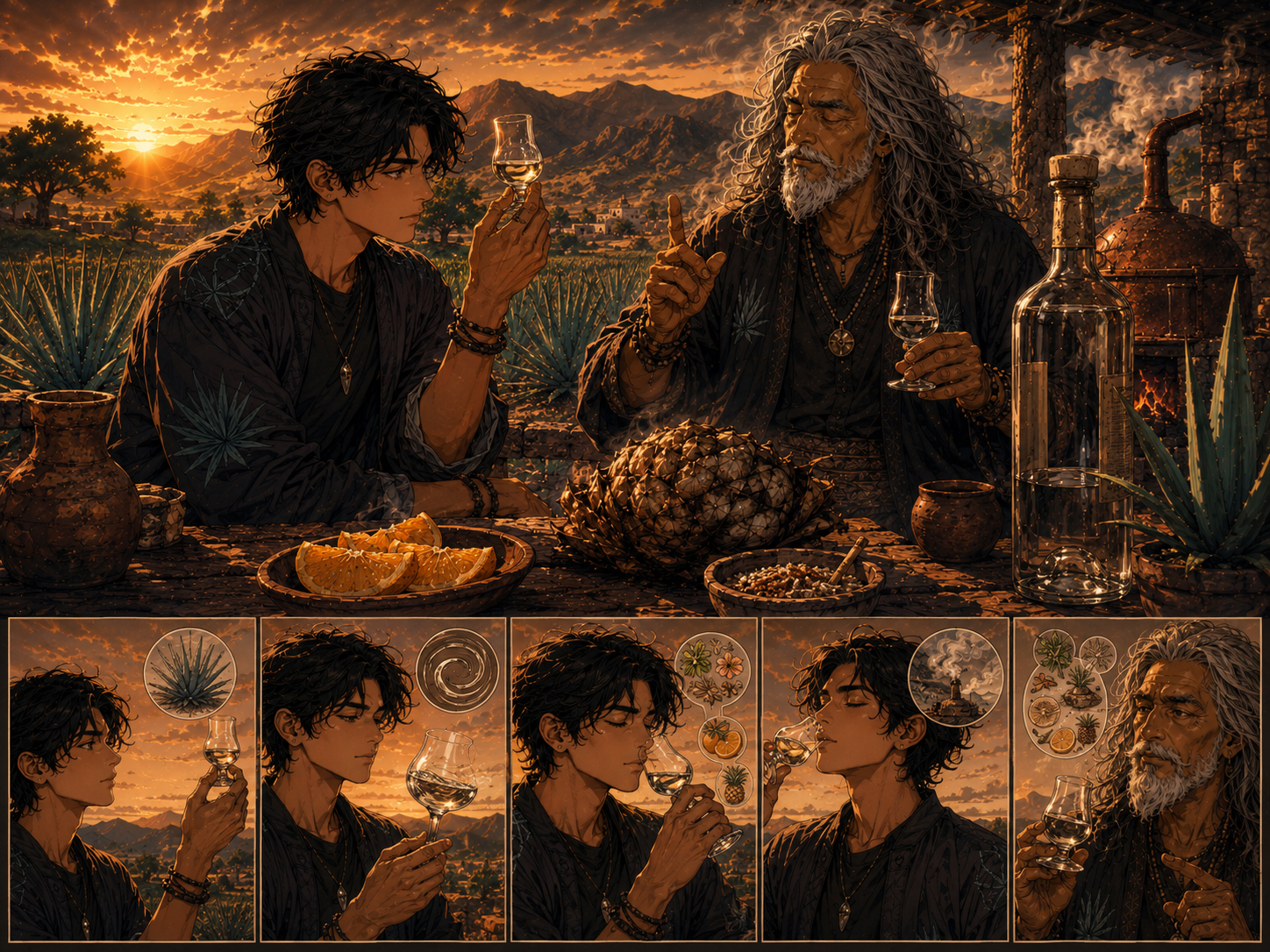
The MezcalDaily Oaxaca rule
Oaxaca is the famous heart of mezcal, but not the whole body. Respect the heart, then learn the rest of the map.
Oaxaca mezcal is worth studying deeply: its villages, agaves, food culture, producers, production methods, and landscapes. Just do not let fame flatten the story. Oaxaca is not a stereotype. It is a living, complex mezcal world.
Responsible drinking note
MezcalDaily.com is for adults of legal drinking age. Sip slowly, hydrate, eat food, and do not drink and drive. Oaxaca mezcal deserves attention, respect, and a chair in the shade.