The fast answer
Wild agave mezcal can be fascinating, but rarity is not the same as quality.
Tobalá, tepeztate, and other less-common agaves can produce extraordinary mezcal. They may offer unusual aromas, textures, and flavors compared with more common cultivated agaves like espadín. But the fact that an agave is rare, wild, old, or difficult to harvest does not automatically make the bottle better.
Rare agave should make you curious, not reckless. The smart question is not just “Is this wild?” The smart question is: Was this harvested and produced responsibly?
Madame Terroir raises the fan
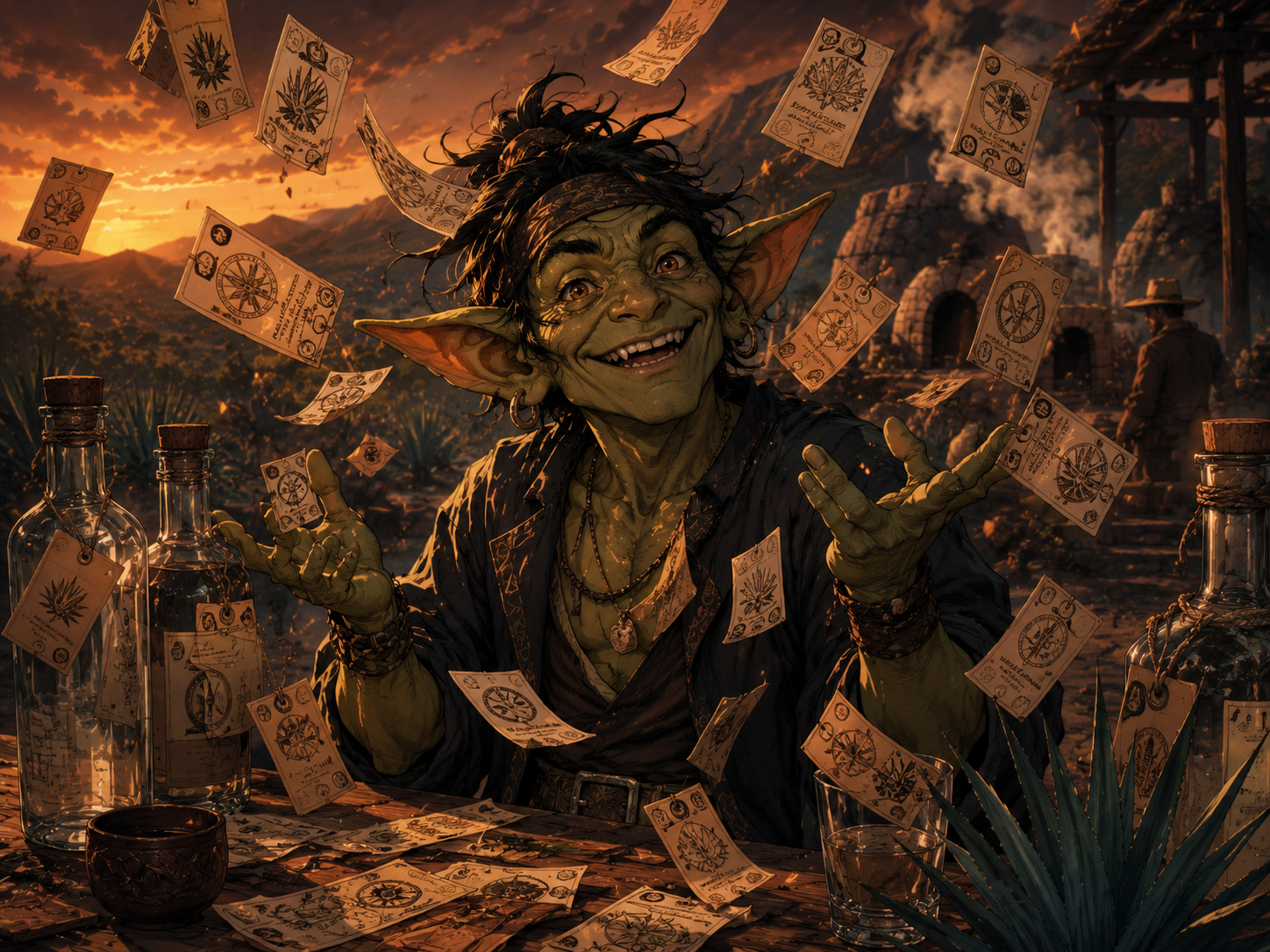
“A rare plant is not a collectible sticker. It is part of a landscape. If you praise the bottle but ignore the hillside, the Label Goblin has won.”
What does “wild agave” mean?
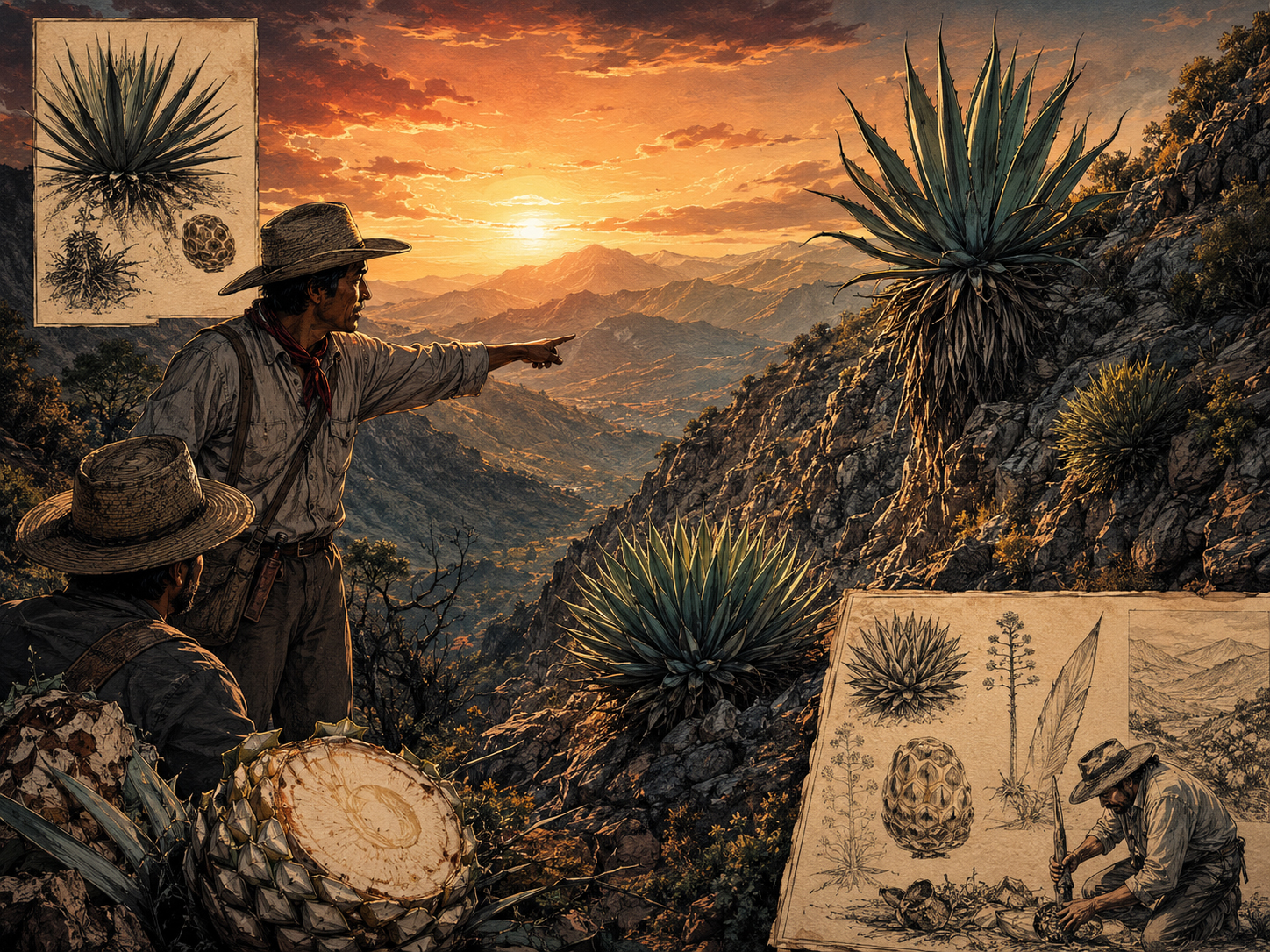
In mezcal conversation, “wild agave” usually means the agave was not grown in a neatly managed cultivated field like a crop row. It may have grown in rugged terrain, hillsides, forests, rocky places, or other less-controlled landscapes.
But language can get slippery. Some agaves may be truly wild, some semi-wild, some managed, some transplanted, and some cultivated in ways that still feel traditional. Always read carefully. The Label Goblin loves vague romance words like “wild,” “ancient,” and “mystical mountain tears.”
| Label phrase | What it may suggest | Question to ask |
|---|---|---|
| Wild agave | Agave harvested from non-cultivated or less-managed areas. | Was it replanted or responsibly managed? |
| Semi-wild | Agave may grow outside formal fields but still receive some human management. | How is the population maintained? |
| Cultivated | Agave grown intentionally as an agricultural crop. | What farming and biodiversity practices are used? |
| Rare agave | Less common, slower-growing, or harder to source. | Is rarity being used responsibly or just as marketing glitter? |
What is tobalá?
Tobalá is often described as a smaller, distinctive agave associated with expressive, sometimes delicate mezcals. Depending on producer and place, tobalá mezcal may show floral, tropical, herbal, earthy, or mineral qualities.
It has a reputation for beauty and scarcity, which is exactly why it should be treated carefully. When a plant becomes fashionable, demand can outrun responsible regeneration. A good tobalá story should include respect for sourcing, not just a pretty label and a dramatic price tag.
Agave Boy’s tobalá note
“Small plant, big reputation. Ask questions before bowing dramatically.”
What is tepeztate?
Tepeztate is another agave name that gets mezcal fans excited. It is often associated with long growth cycles and distinctive flavors that can feel herbal, green, spicy, mineral, complex, or unusual.
Tepeztate can taste like it arrived with a geology degree and a backpack full of mountain herbs. But again: rarity and intensity do not replace quality, balance, or responsibility.
Why rare agave can be expensive
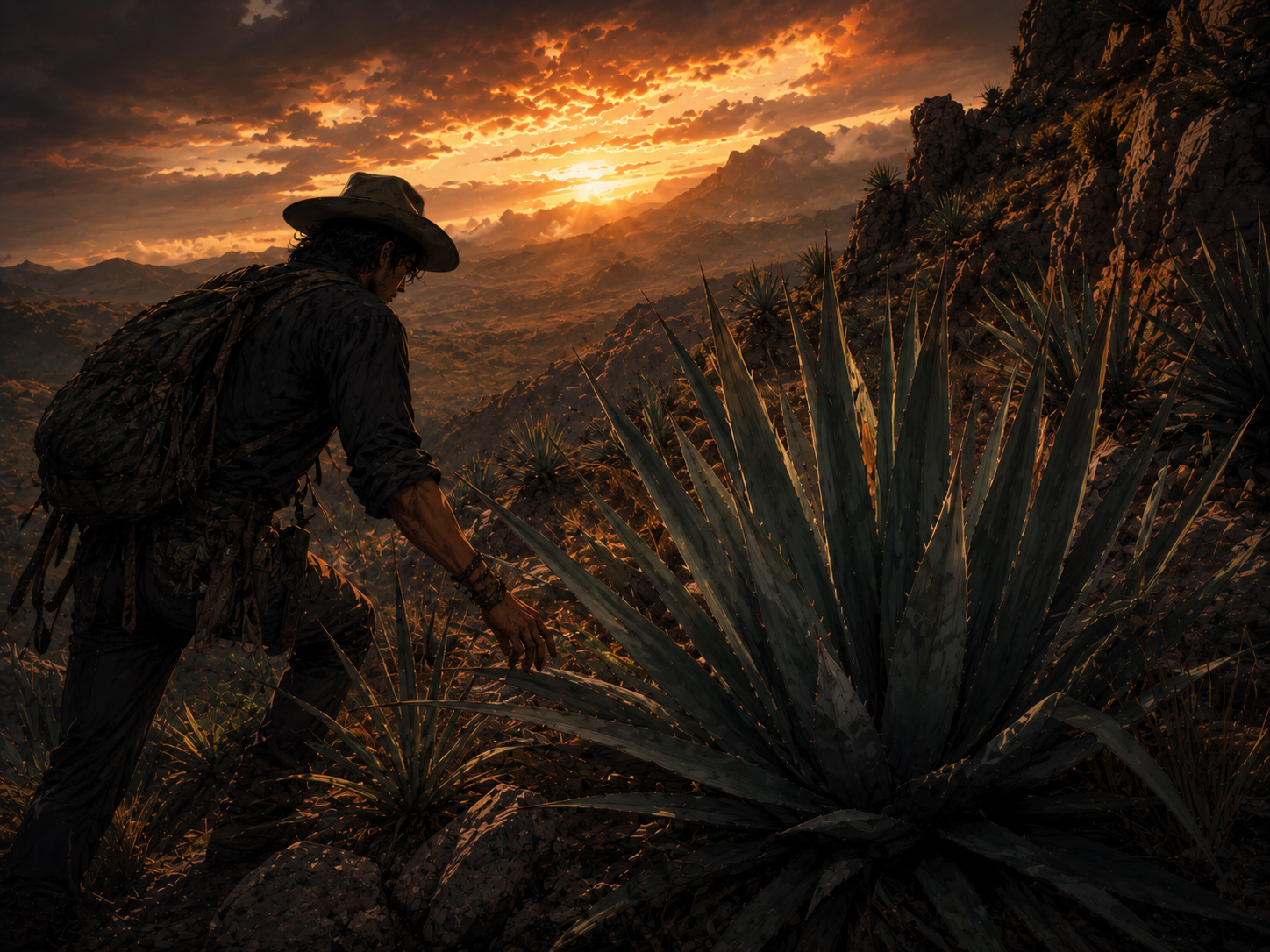
Rare or wild agave mezcals can cost more for practical reasons. The plants may grow slowly, produce less usable material, require difficult harvesting, be harder to transport, and involve smaller batches. There may also be genuine scarcity.
But price is not proof of greatness. Sometimes price reflects labor and scarcity. Sometimes it reflects hype. Sometimes the Label Goblin found a gold pen.
Why sustainability matters so much
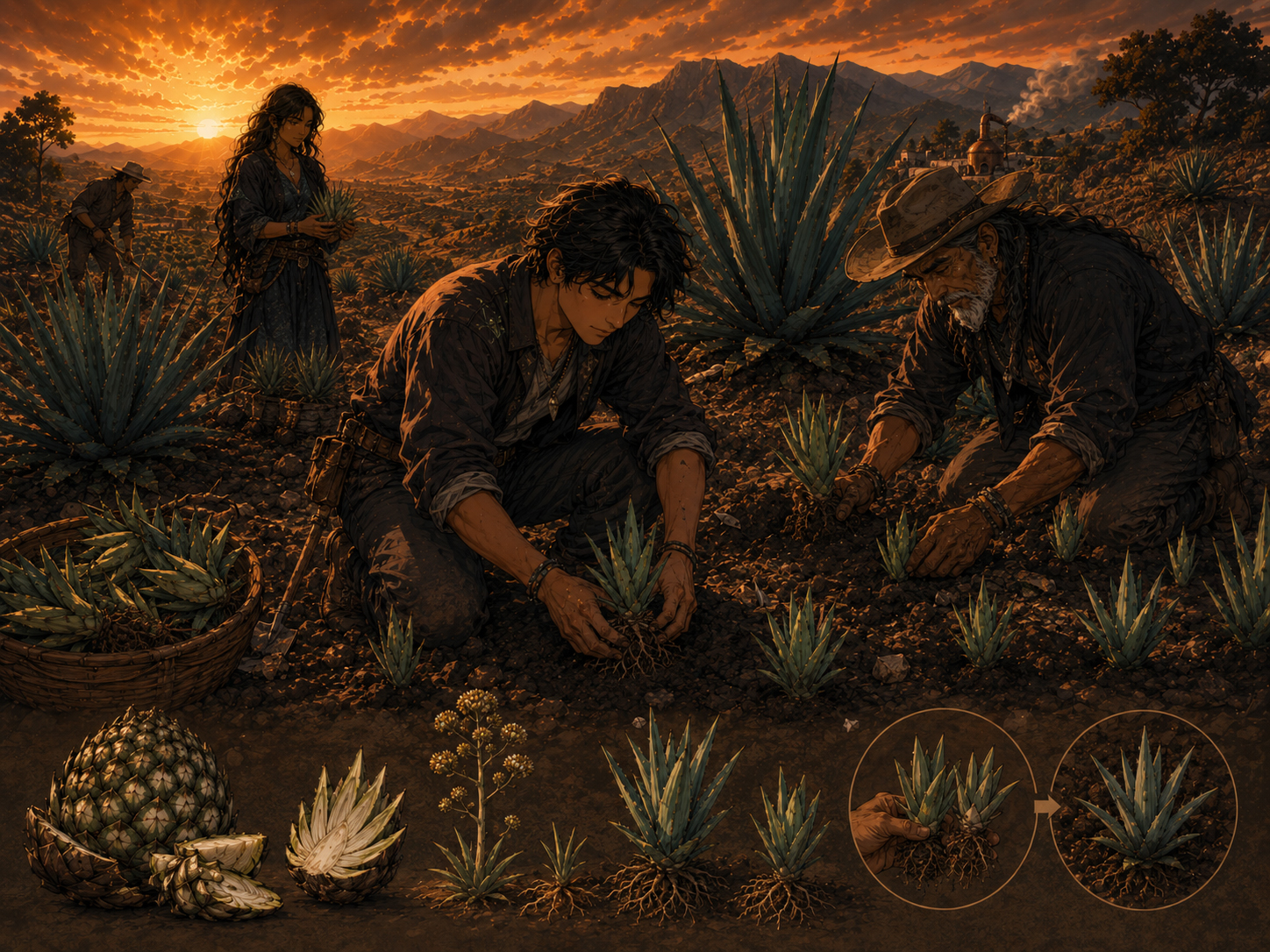
Wild agave does not behave like a factory ingredient. If plants are removed faster than they can reproduce or be replanted, the landscape loses biodiversity and future producers lose options. A mezcal culture that burns through its plants is eating its own library.
Responsible mezcal should support regeneration, seed collection, nursery work, replanting, biodiversity, fair pay, and local knowledge. The future of great mezcal depends on more than selling rare bottles to people with dramatic shelves.
Rare does not mean better
This is the big MezcalDaily warning sign. A rare agave can make a beautiful mezcal. A common agave can make a beautiful mezcal. A rare agave can also make a boring, harsh, unbalanced, or irresponsible mezcal. The plant name is only one piece of the bottle.
Production matters. Fermentation matters. Distillation matters. Water, weather, maturity, producer skill, and batch decisions all matter. The agave variety is not a magic spell.
Label Goblin trick
The goblin wants you to buy the rarest word on the label. Madame Terroir wants you to ask who made it, where it came from, and whether the plant can come back.
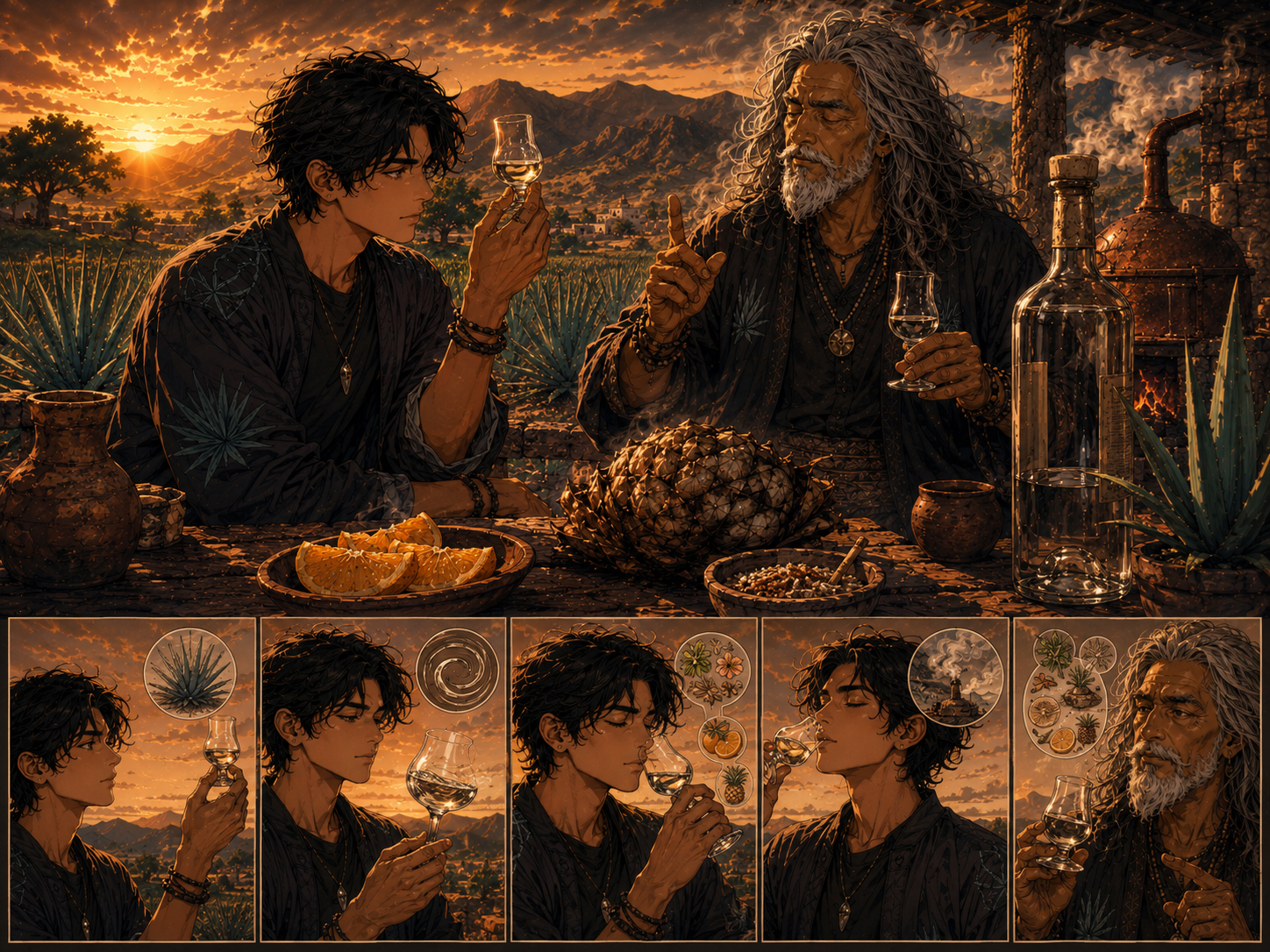
How to taste wild agave mezcal
- Use a very small pour. Expensive does not mean faster.
- Smell gently. Look for herbs, fruit, flowers, earth, minerals, smoke, spice, or unusual savory notes.
- Sip slowly. Let it unfold instead of demanding instant fireworks.
- Compare carefully. Try it beside espadín to understand difference without worshiping rarity.
- Read the label. Agave, producer, place, batch, ABV, and method matter.
- Ask about sourcing. Rare agave should come with responsibility.
Questions to ask before buying wild agave mezcal
| Question | Why it matters |
|---|---|
| Who made it? | Producer identity connects the bottle to real craft and accountability. |
| Where was it made? | Place shapes flavor, tradition, and sourcing context. |
| Was the agave wild, semi-wild, or cultivated? | The sourcing story affects sustainability and future availability. |
| Is there replanting or regeneration? | Rare agave without regeneration is a warning sign. |
| Is the label clear? | Clear labels help reduce hype and support informed choices. |
The MezcalDaily rule for rare agave
Rare agave should inspire respect before excitement. The bottle is only beautiful if the plant, producer, and landscape are treated with care.
Enjoy tobalá, tepeztate, and wild agave mezcals with curiosity. But do not let rarity become a scoreboard. The best mezcal education makes you a better listener, not a louder collector.
Responsible drinking note
MezcalDaily.com is for adults of legal drinking age. Sip slowly, hydrate, eat food, and do not drink and drive. Rare mezcal deserves attention, not speed or status-posturing.