The fast answer
Sustainable mezcal protects the plant, the land, the maker, and the future.
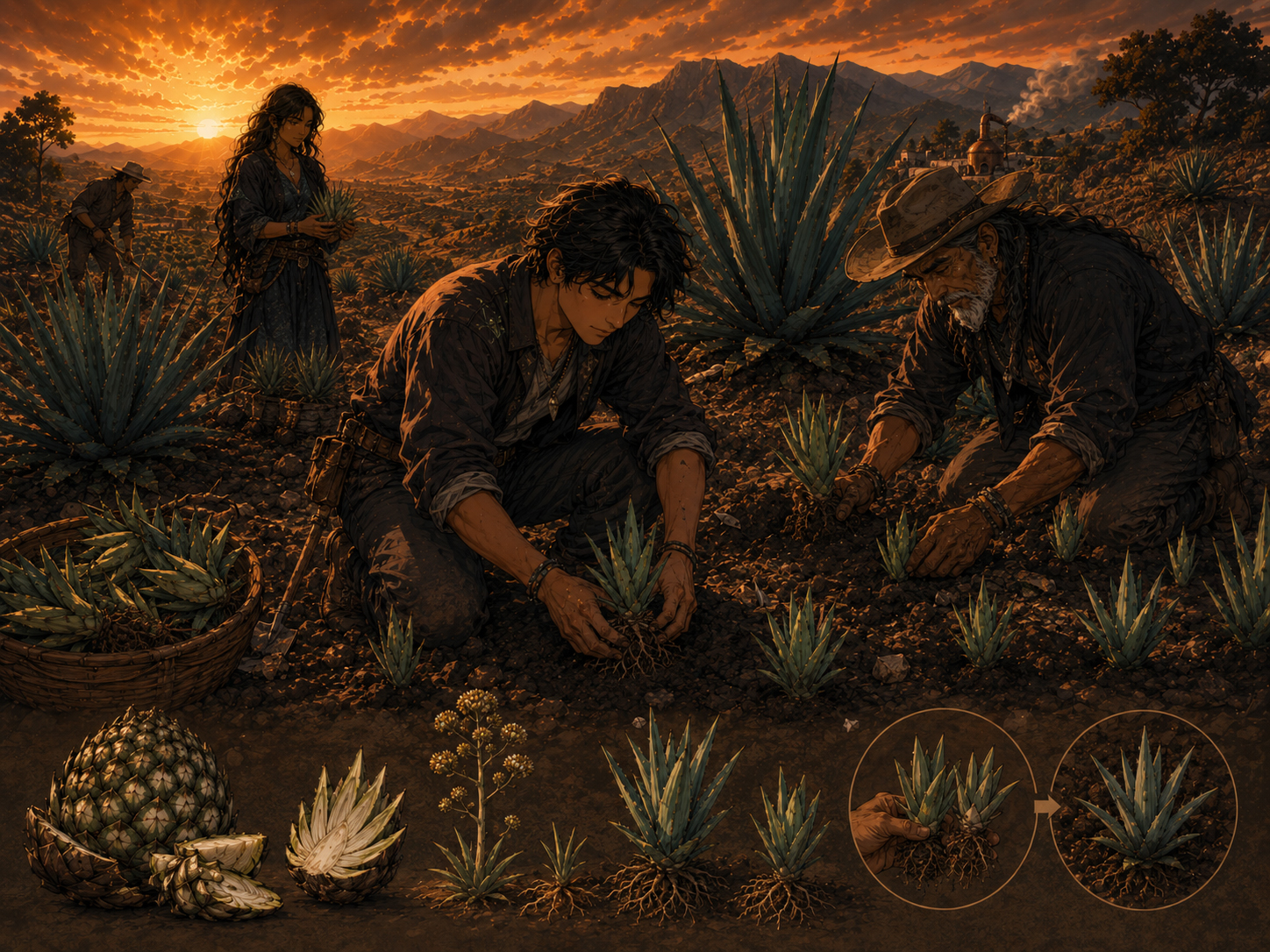
Mezcal depends on agave, and agave takes time. Some plants may mature in several years; others can take much longer. If demand grows faster than responsible planting, land care, and producer support, today’s excitement can become tomorrow’s shortage.
Sustainability is not just a bottle sticker. It means asking how agave is grown or harvested, whether wild populations are protected, how water and wood are used, how waste is handled, and whether producers and communities benefit fairly.
Madame Terroir’s warning
“Do not praise the smoke while ignoring the hillside. The future of mezcal begins before the oven is lit.”
Why sustainability matters in mezcal
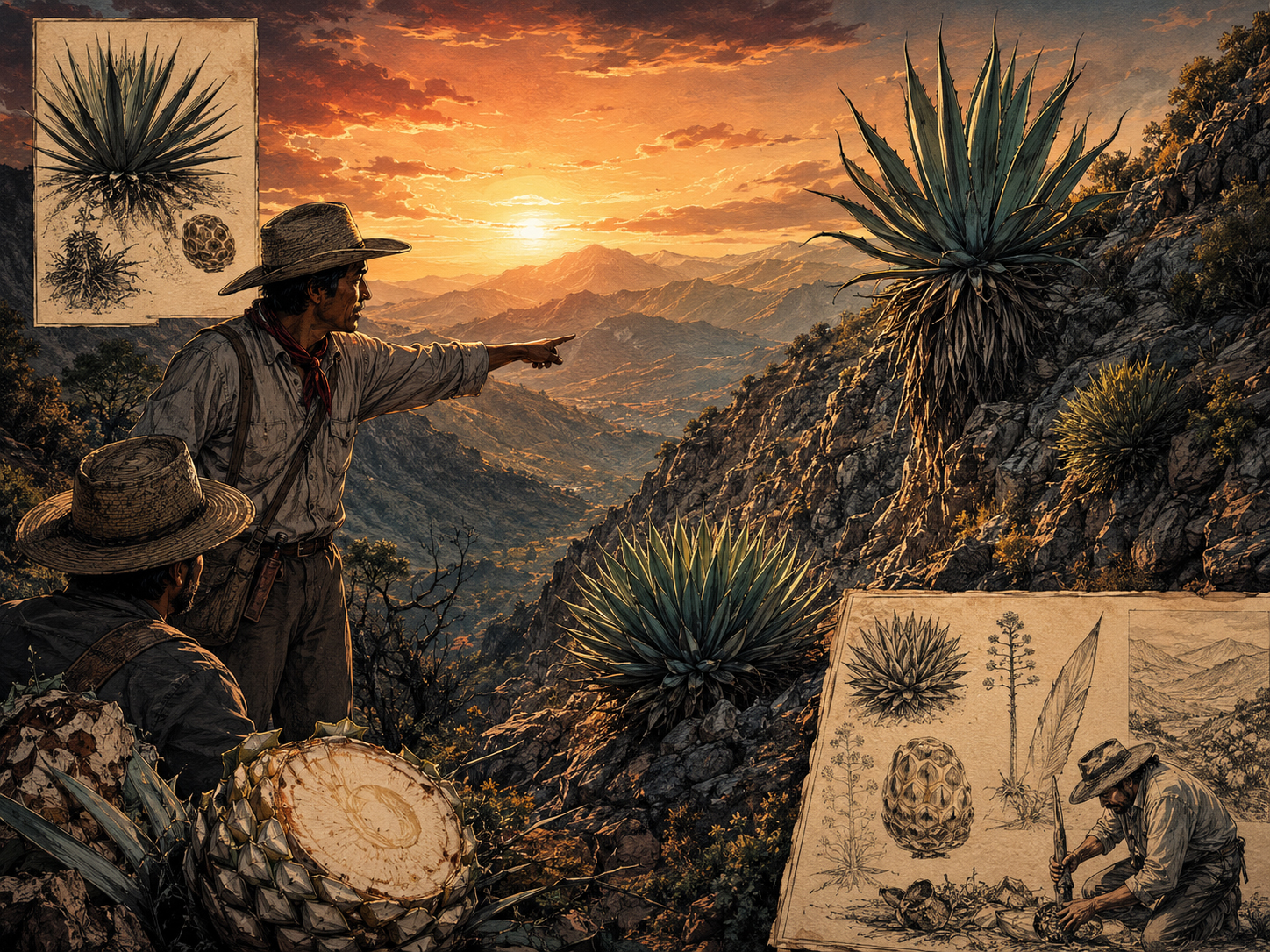
Mezcal is not made from a quick annual crop. It begins with a long-growing plant, often in landscapes where water, soil, biodiversity, and local knowledge matter deeply. A bottle can be emptied in one evening, but an agave field takes years to rebuild.
That time gap is the heart of the issue. If drinkers chase rare bottles without asking about regeneration, the market can reward extraction instead of stewardship. The Label Goblin calls this “premium scarcity.” MezcalDaily calls it “bad math with a cork.”
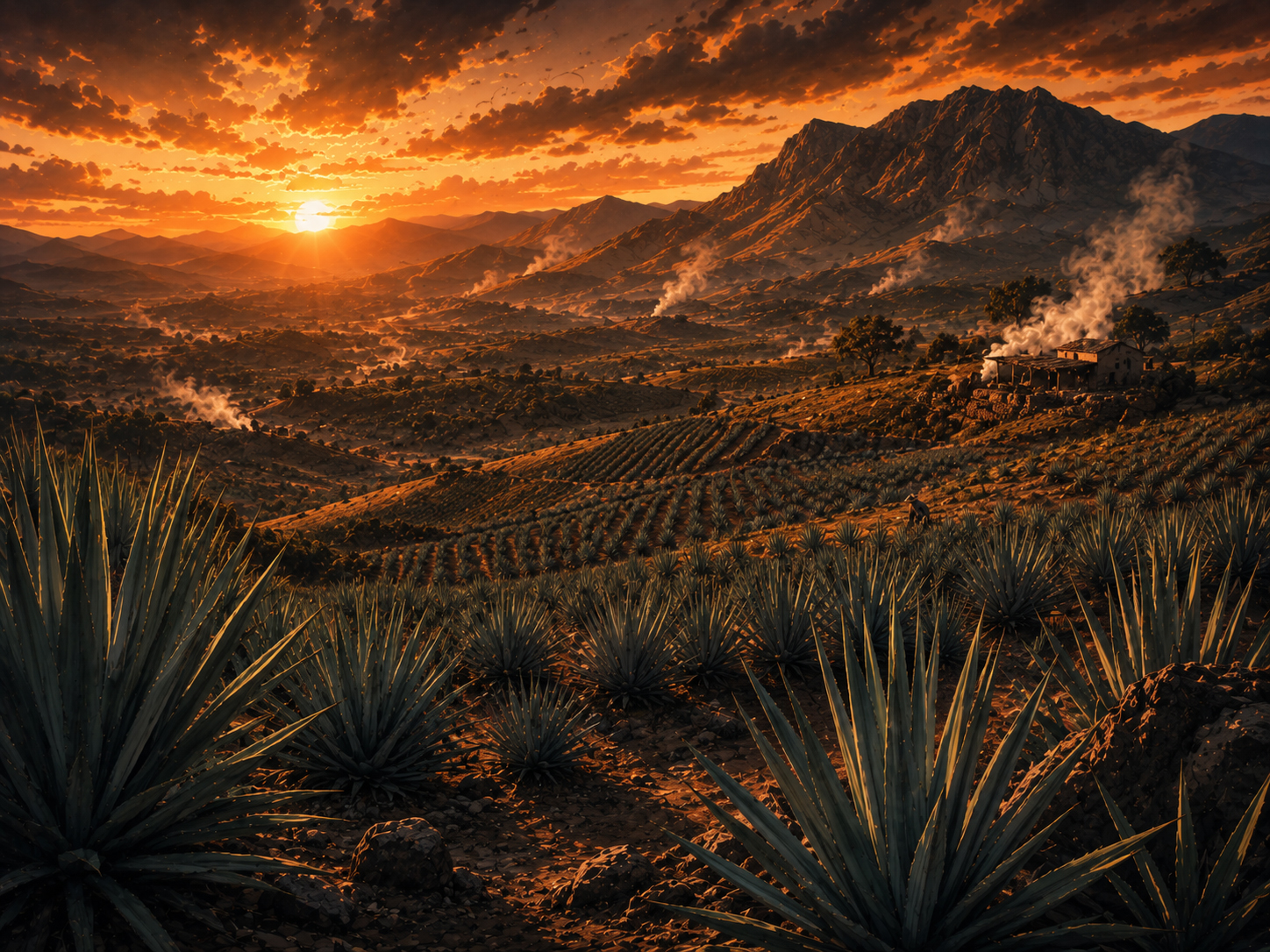
Agave replanting and regeneration
Responsible mezcal production needs future agave. That can include seed collection, nursery programs, replanting, managed cultivation, allowing some plants to flower, and protecting genetic diversity. Replanting is especially important when producers work with slow-growing or wild agaves.
The best question is not only “what agave is this?” It is also: what is being done so this agave can exist tomorrow?
| Sustainability issue | Why it matters | MezcalDaily translation |
|---|---|---|
| Replanting | Helps replace harvested agave and supports future production. | Put baby agaves back in the story. |
| Seed diversity | Supports stronger, more resilient agave populations. | Do not clone the whole choir into one singer. |
| Flowering plants | Some agaves need to flower to support reproduction and pollinators. | Let a few plants have their dramatic finale. |
| Wild population management | Prevents overharvesting of fragile or slow-growing species. | No trophy hunting with a corkscrew. |
Wild agave needs extra care
Wild agave mezcals can be beautiful, but they can also create pressure on natural populations. Tobalá, tepeztate, and other distinctive agaves may grow slowly or be harder to regenerate. If a bottle celebrates wild agave, it should also make you curious about sourcing.
Rare does not mean automatically better. Rare plus irresponsible is not romance. It is depletion wearing a nice label.
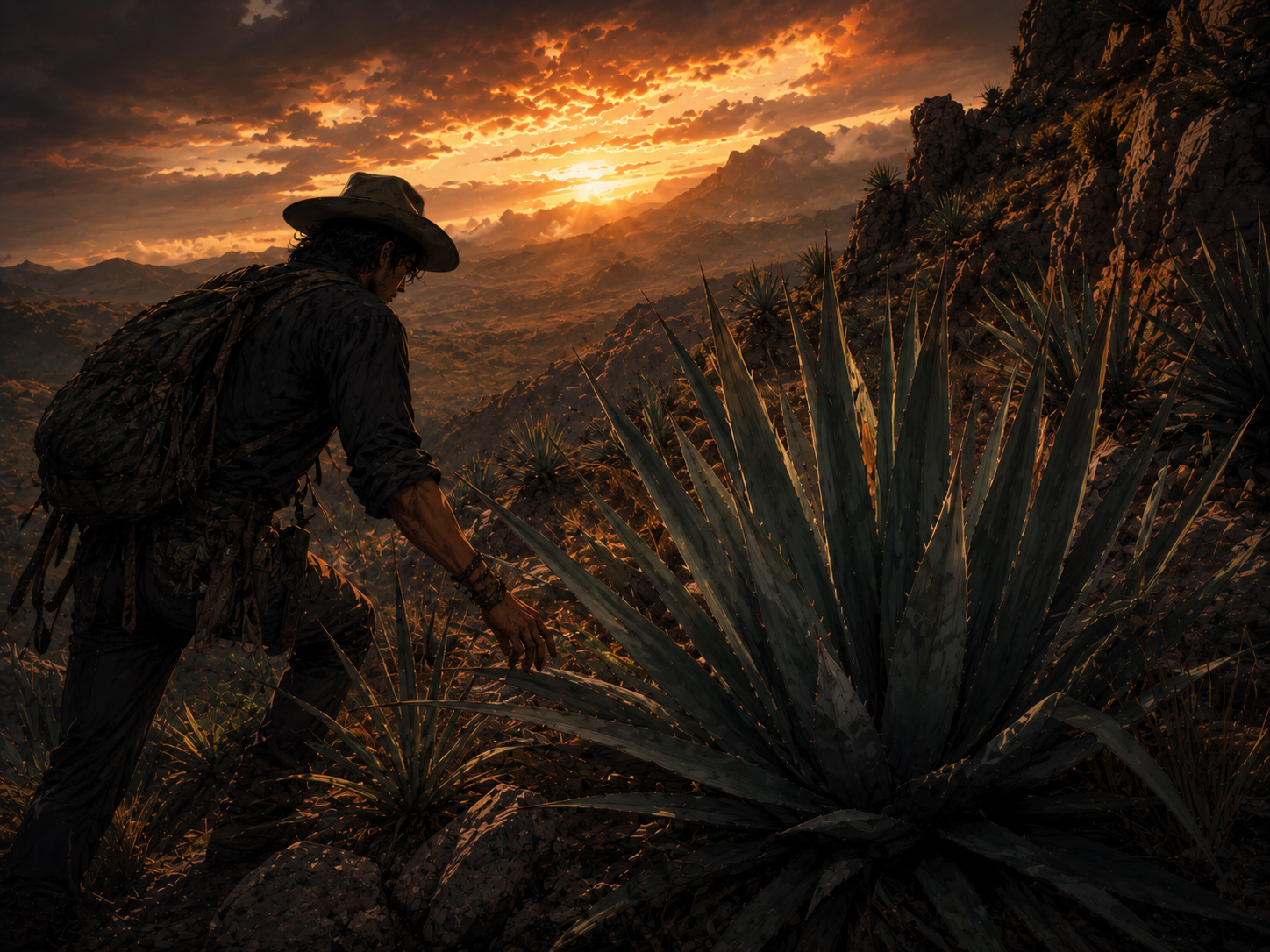
Agave Boy’s wild agave checklist
Ask: Was it wild, semi-wild, or cultivated? Was it replanted? Who benefits? Is the producer transparent? Is the bottle teaching you, or just flexing?
Water matters
Water can be used in production, fermentation, cleaning, and proofing. In dry regions, water stewardship matters. Responsible production should consider water sources, use, wastewater, and impacts on local communities.
A bottle that tastes clean but leaves dirty water problems behind is not truly clean. Madame Terroir has a clipboard for this.
Wood and fuel
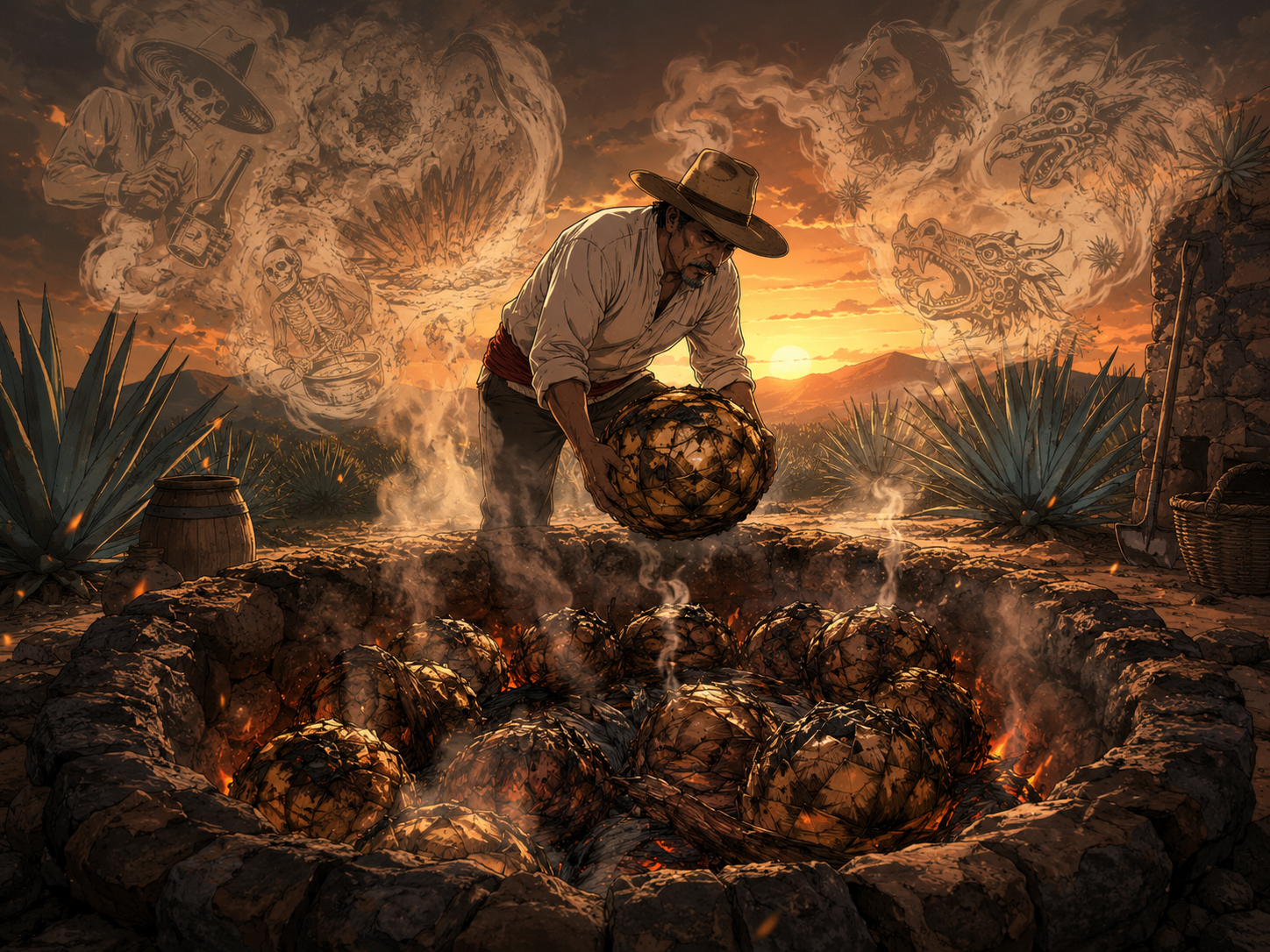
Many traditional mezcals rely on wood-fired cooking, especially pit roasting. Wood can be part of the flavor and heritage, but responsible sourcing matters. Overuse of local wood resources can create environmental pressure.
A sustainable approach may include careful wood selection, efficient ovens, reforestation, alternative fuel strategies where appropriate, and respect for local ecosystems. Smoke should not be paid for with a bald hillside.
Bagazo and production waste
Mezcal production leaves behind spent agave fiber, often called bagazo, along with liquid waste. These materials need thoughtful handling. Depending on local systems, waste can be composted, repurposed, treated, or managed in ways that reduce pollution.
The goblin version is “throw it behind the palenque and hope the earth files no complaint.” The better version is waste planning that respects soil, water, neighbors, and future production.
Fair pay and producer respect
Sustainability is not only environmental. It is also social. Mezcal depends on workers, families, mezcaleros, jimadores, farmers, bottlers, transporters, and communities. If the international market grows while producers remain underpaid or invisible, the system is not healthy.
Look for brands and importers that name producers clearly, support fair compensation, maintain long-term relationships, and do not reduce makers to rustic marketing props.
Marketing goblin warning
If the bottle shows a romantic village story but hides who made the mezcal, the goblin may be using “tradition” as camouflage.
What buyers can look for
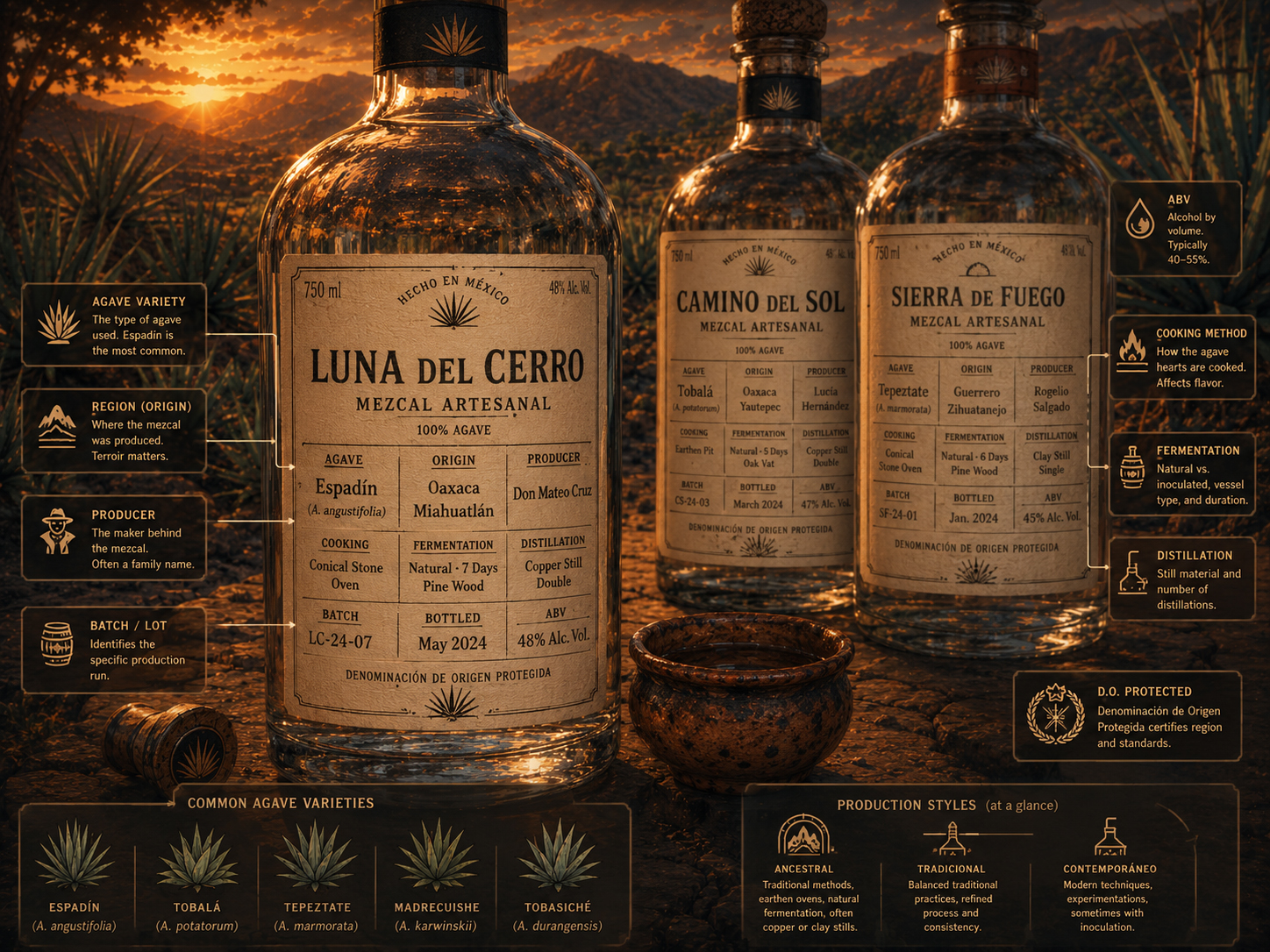
- Producer transparency: Does the label name the maker or community?
- Agave information: Is the plant clearly identified?
- Sourcing detail: Wild, semi-wild, or cultivated?
- Regeneration: Is there replanting, nursery work, or seed management?
- Community benefit: Do producers appear to be credited and supported?
- Environmental practices: Any information about water, wood, waste, or land care?
- Batch clarity: Can you trace what you are drinking?
Questions to ask at a shop or bar
| Question | Why it helps |
|---|---|
| Who made this mezcal? | Names connect the bottle to real producers. |
| Where was it made? | Region and town give cultural and production context. |
| Is the agave cultivated, wild, or semi-wild? | Sourcing matters for sustainability. |
| Does the producer replant? | Regeneration supports future agave supply. |
| Why do you recommend this bottle? | A thoughtful seller should offer more than “it’s rare.” |
What brands should avoid
Brands should avoid using mezcal culture as a costume. That means no vague “mystical village” storytelling while hiding producers, no rare-agave hype without regeneration, no fake rusticity, no pretending every bottle comes from a secret ancient ritual, and no exploiting cultural imagery without benefit to the people and places behind the spirit.
Fun is allowed. Respect is required. MezcalDaily is full of goblins and smoke jokes, but the joke is confusion — not the makers.
How drinkers can help
Drinkers do not control the entire system, but they can reward better behavior. Buy from producers and brands that provide useful information. Ask questions. Do not chase rarity for status. Share bottles with context. Support bars and shops that educate instead of just selling smoke.
Also, consume less but better. A thoughtful small pour respects the agave more than a careless big night that turns years of growth into five minutes of noise.

The MezcalDaily sustainability rule
Today’s mezcal should not steal tomorrow’s agave, water, wood, soil, or dignity.
Sustainable mezcal is not one simple badge. It is a web of choices: agave regeneration, land care, water, wood, waste, fair pay, cultural respect, clear labels, and responsible drinking. The future field begins with the questions we ask now.
Responsible drinking note
MezcalDaily.com is for adults of legal drinking age. Sustainability also means consuming responsibly: sip slowly, hydrate, eat food, and do not drink and drive.