
The fast answer
Espadín is one of the most widely used agaves for mezcal.
Espadín is popular because it is more practical to cultivate than many slower-growing or rarer agaves. That makes it a major foundation of modern mezcal. Many beginner-friendly bottles are made from espadín, but excellent espadín mezcal can still be complex, expressive, and deeply tied to place and production.
The Label Goblin loves to whisper, “common means boring.” Ignore him. Rice is common. Bread is common. Sunlight is common. None of those are boring when handled by someone who knows what they are doing.
Agave Boy’s espadín lesson
Espadín is often the doorway into mezcal. A good doorway matters. A bad doorway hits you in the forehead.
Why is espadín so common?
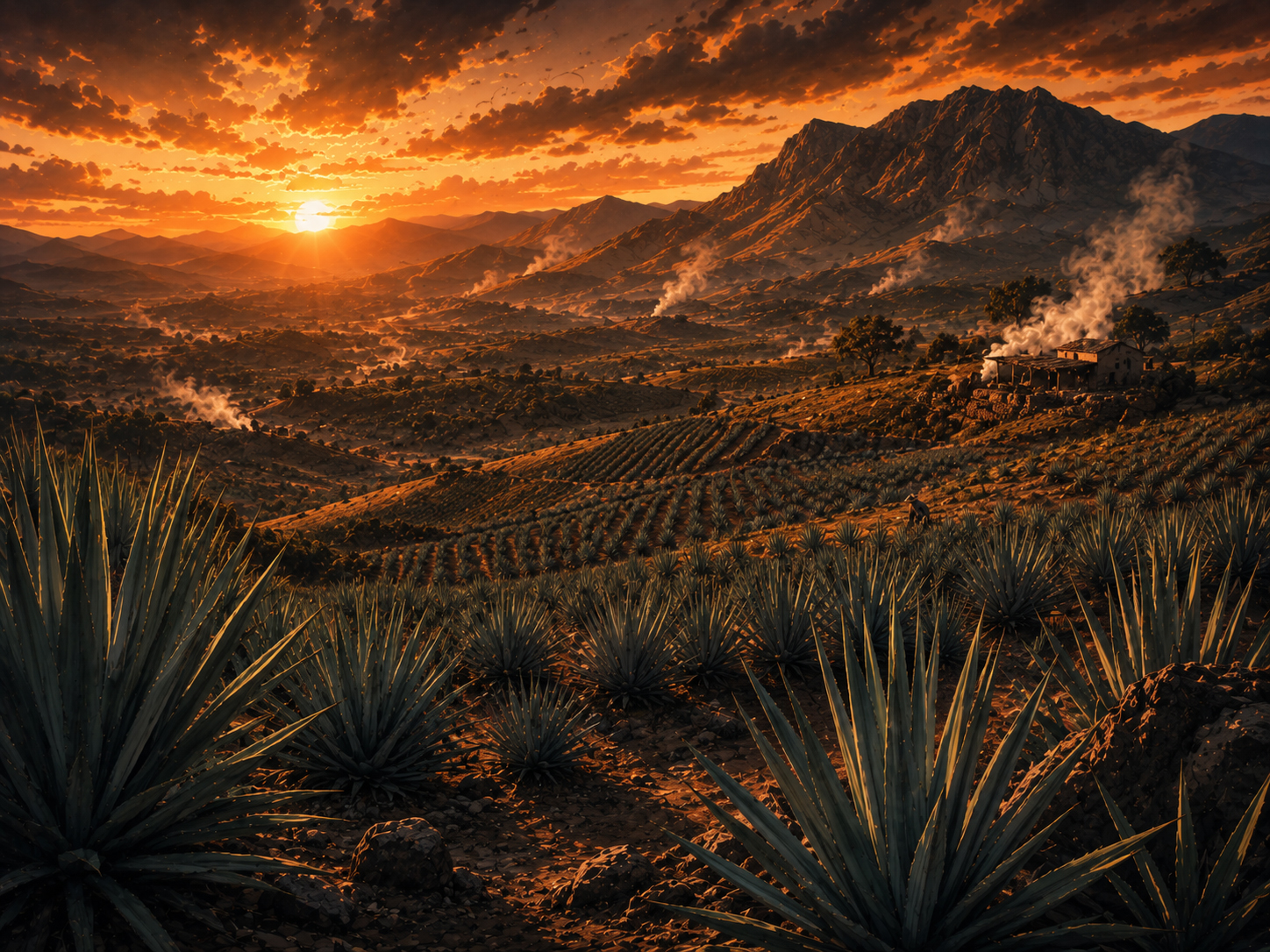
Espadín is widely cultivated and generally more available than many wild or slow-growing agaves. That matters because mezcal depends on plants that take years to mature. A reliable cultivated agave helps producers make consistent mezcal without putting the same pressure on fragile wild populations.
Common availability also makes espadín useful for learning. Because many producers work with it, drinkers can compare different regions, roasting methods, fermentation styles, still types, and proof levels without changing the agave variable every time.
What does espadín mezcal taste like?
There is no single espadín flavor. Depending on producer and place, espadín mezcal may show roasted agave, citrus, herbs, pepper, tropical fruit, earth, minerals, smoke, honeyed notes, or a clean green freshness.
The better question is not “what does espadín taste like?” but: what did this producer, in this place, with this process, bring out of the espadín?
| Possible note | What it might suggest | MezcalDaily translation |
|---|---|---|
| Roasted agave | Cooking method, maturity, and production choices. | The plant got a delicious tan. |
| Smoke | Earthen pit roasting or other fire-related production effects. | Smoke Sensei signed the guestbook. |
| Citrus / green notes | Agave character, fermentation, distillation style, or balance. | The glass put on a clean shirt. |
| Pepper / spice | Agave, fermentation, alcohol strength, and distillation cuts. | A tiny mariachi trumpet in the finish. |
| Mineral / earthy | Place, water, fermentation, still, or overall production style. | The mountain left a business card. |
Is espadín good for beginners?
Yes. Espadín is often a smart starting point because it is widely available and can show the fundamentals of mezcal clearly. A beginner can learn how roasting, smoke, fermentation, proof, and producer style change the drinking experience.
Start with small pours. Taste slowly. Compare two espadín mezcals side by side if possible. You may notice that one is smoky and earthy while another is fruity, bright, or herbal. That is the lesson: same broad agave category, different expression.
Smoke Sensei warning
“Do not judge all espadín from one bottle. That is like judging all music because one kazoo hurt your feelings.”
Is espadín less special than wild agave?
No. Wild or rare agaves can be fascinating, but rarity is not the same as quality. A poorly made rare-agave mezcal is still poorly made. A carefully made espadín can be excellent.
Rare-agave hype can also create sustainability issues if demand grows faster than responsible regeneration. Espadín has an important role because cultivated agave can support broader access and reduce some pressure on vulnerable wild plants.
How should you taste espadín mezcal?
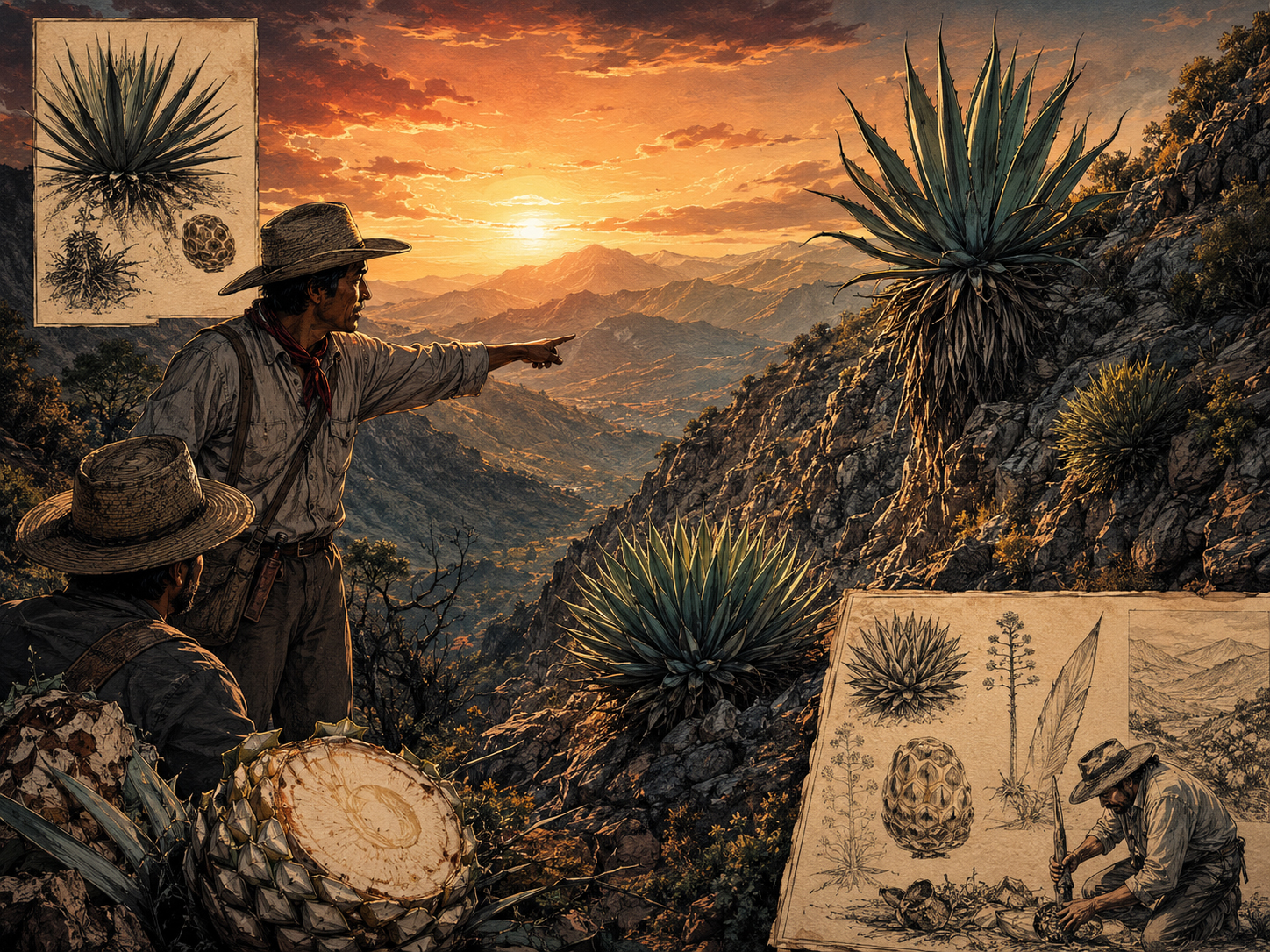
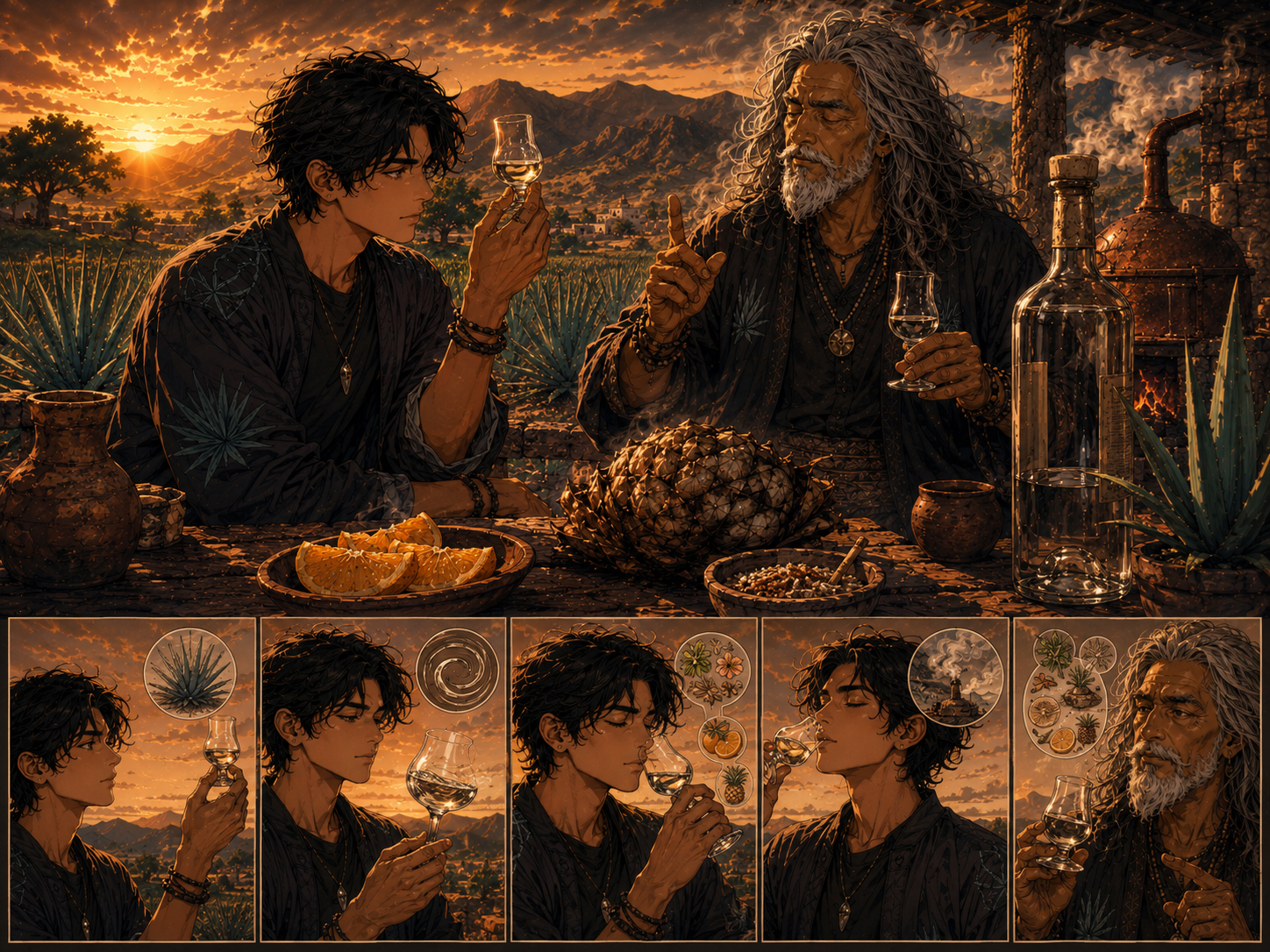
- Use a small pour. This is study hall, not a cannon salute.
- Smell gently. Look for roasted agave, fruit, smoke, herbs, or mineral notes.
- Take a tiny sip. Let it spread before judging.
- Notice texture. Is it sharp, round, oily, dry, bright, or earthy?
- Read the label. Producer, place, ABV, batch, and method matter.
- Drink water. Hydration is not optional. Hydration is the adult in the room.
What should you look for on the label?
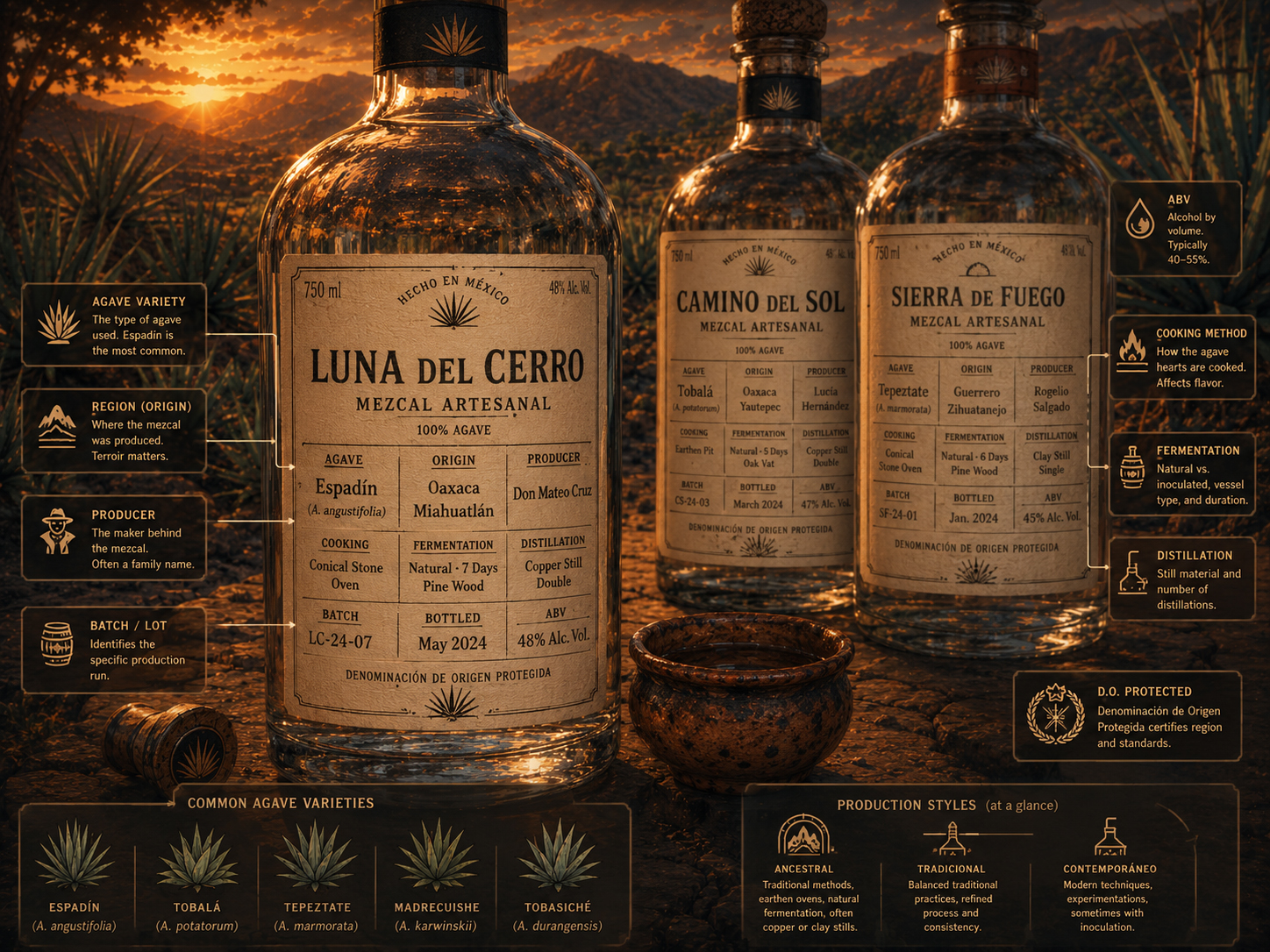
For espadín mezcal, look for the agave name, producer or mezcalero, town or region, alcohol by volume, batch information, and production details when provided. Better labels make it easier to learn what you like.
If the label says almost nothing, the Label Goblin may be hiding in the barcode. Proceed with curiosity and caution.
Why espadín matters
Espadín is the workhorse of mezcal, but “workhorse” should be a compliment. It supports producers, introduces drinkers to the category, gives bartenders flexibility, and provides a comparison point for exploring other agaves.
It also teaches an important lesson: the agave is only one part of the final flavor. Two espadín mezcals can taste very different because production and place matter so much.
Espadín is not the boring agave. Espadín is the classroom, the doorway, the workhorse, and sometimes the star of the show.
Responsible drinking note
MezcalDaily.com is for adults of legal drinking age. Sip slowly, hydrate, eat food, and do not drink and drive. A good espadín deserves attention, not speed.