The short answer
Mezcal is a distilled spirit made from agave.
Mezcal begins with the agave plant. Mature agaves are harvested, cooked, crushed, fermented, and distilled into a spirit that can taste earthy, herbal, mineral, fruity, floral, spicy, roasted, or smoky.
The mistake is thinking mezcal means only one flavor: smoke. Smoke can be part of mezcal’s personality, especially when agave is roasted in earthen pits, but mezcal is not “liquid campfire.” If your glass tastes like a burning chair, the chair may have entered the chat without permission.
Agave Boy’s first lesson
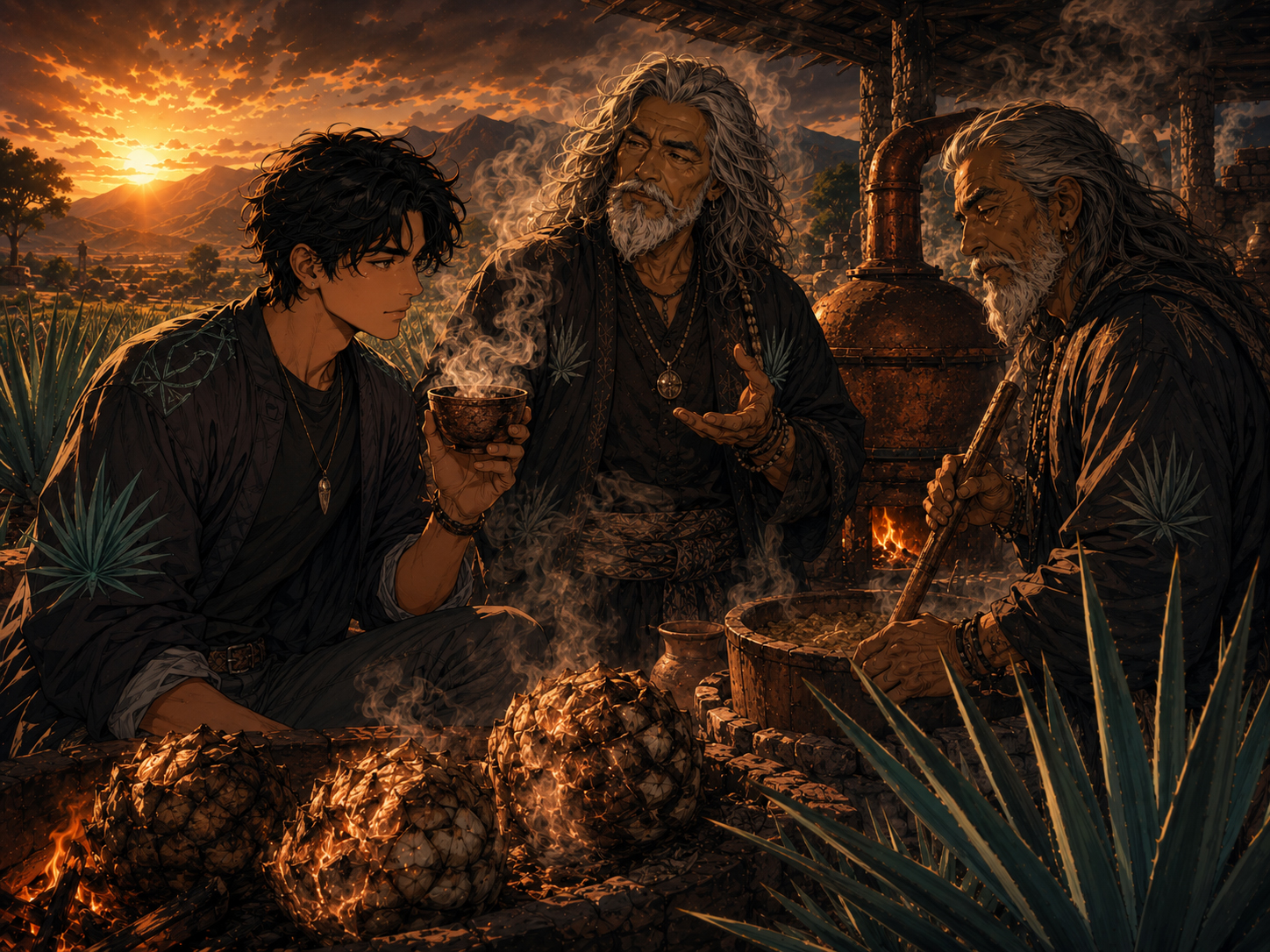
Mezcal is not defined by being “stronger,” “wilder,” or “more macho.” It is defined by agave, method, place, and the people who make it.
Is mezcal the same as tequila?
No. Tequila is its own protected agave spirit category, made primarily from blue agave under tequila-specific rules and regions. Mezcal is a broader protected category with different rules, production traditions, and permitted regions.
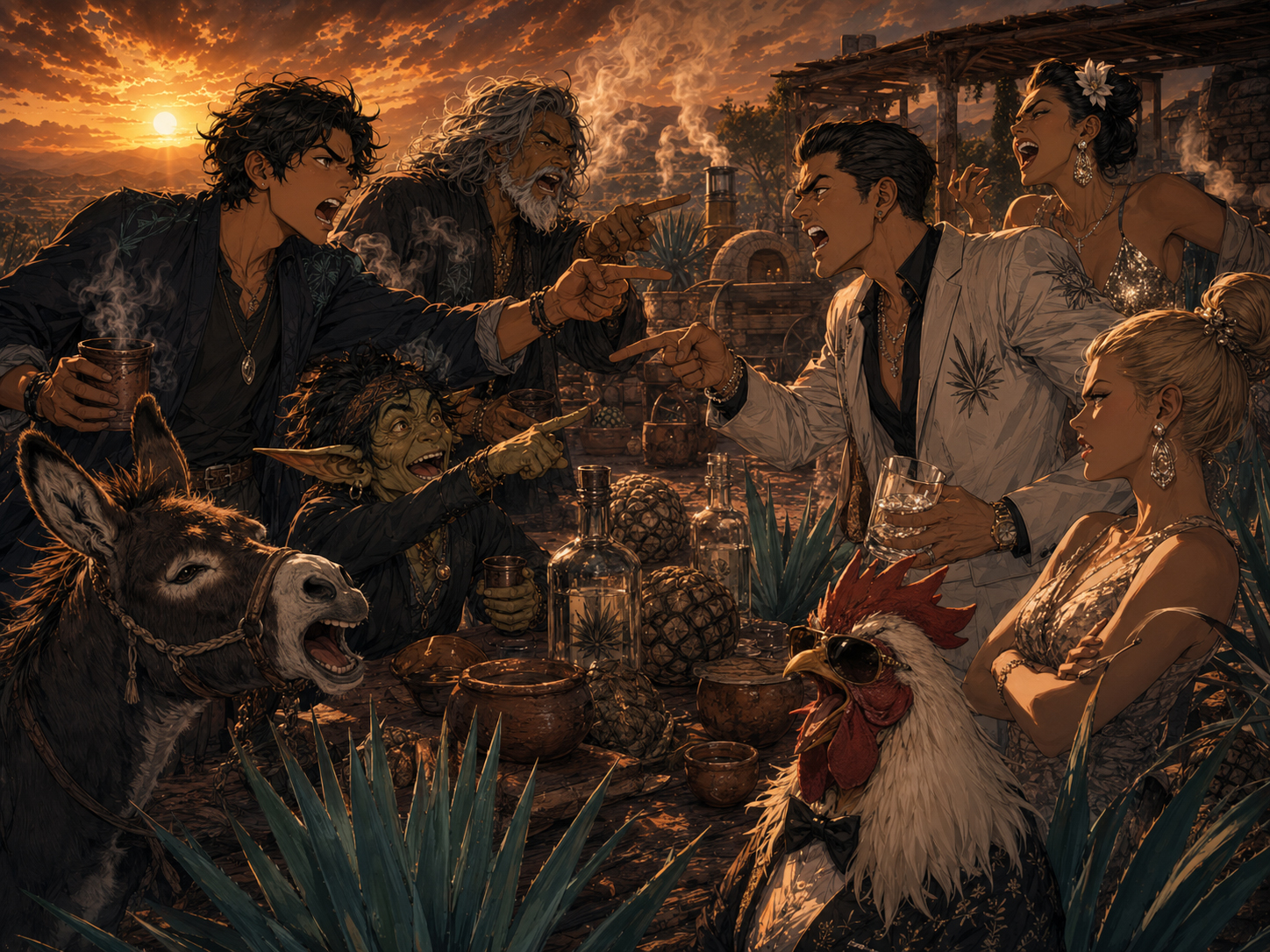
The easy family-tree version: tequila is an agave spirit, and mezcal is an agave spirit, but tequila is not just “fancy mezcal” and mezcal is not just “smoky tequila.” They are cousins. They argue at weddings.

What is mezcal made from?
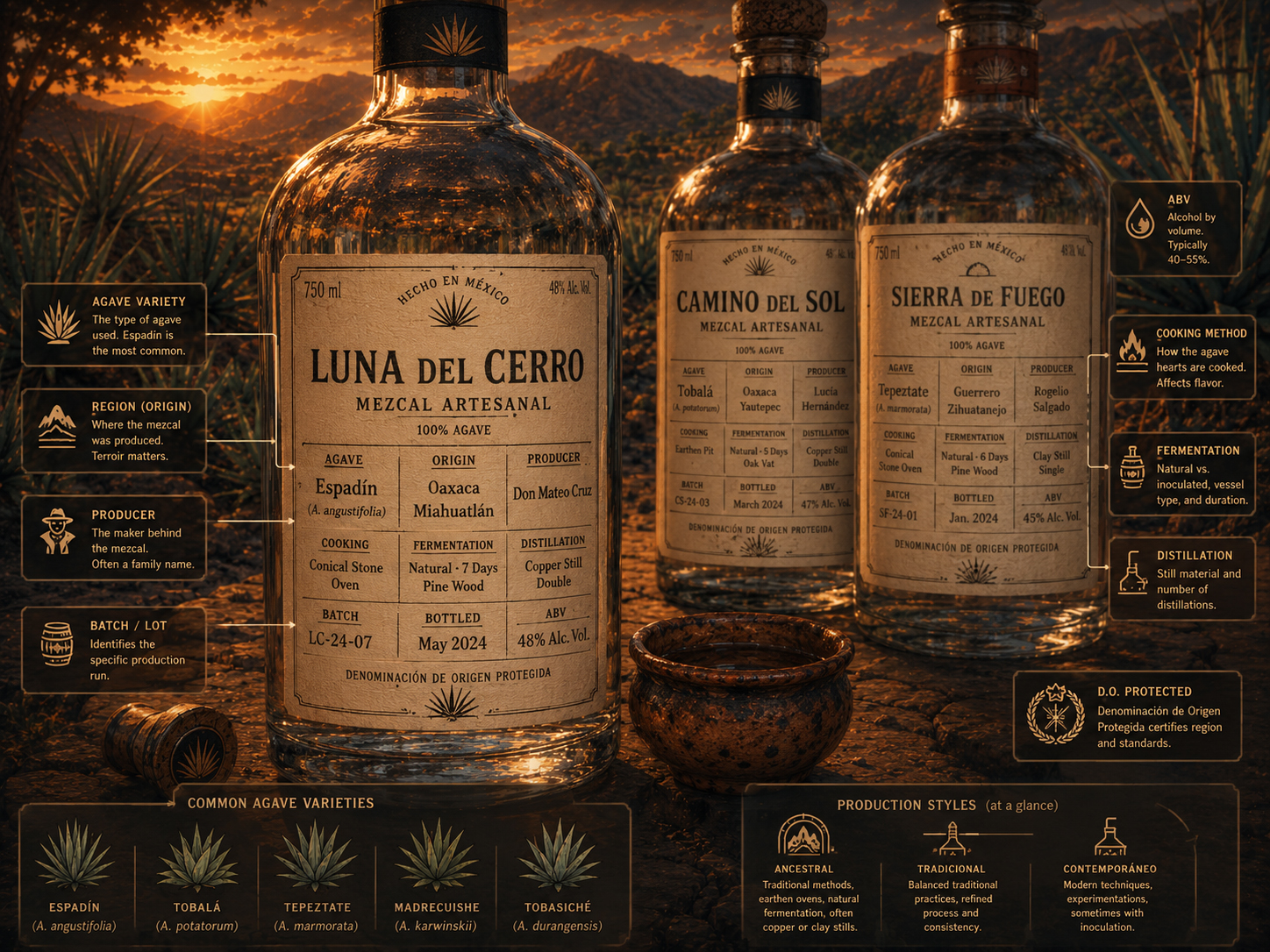
Mezcal is made from agave, also called maguey in many Mexican contexts. Different agave species and varieties can create very different aromas and flavors. Some are commonly cultivated. Others grow slowly, are rare, or require extra care because demand can put pressure on wild populations.
| Mezcal idea | Plain-English meaning |
|---|---|
| Agave | The plant used to make mezcal. It is not a cactus, even though it looks like it joined a cactus gym. |
| Piña | The harvested heart of the agave, named because it can resemble a giant pineapple. |
| Espadín | A very common cultivated agave used for many mezcals. |
| Tobalá / Tepeztate | Examples of agaves often discussed as distinctive, slower-growing, or more limited depending on source and region. |
How does mezcal get made?
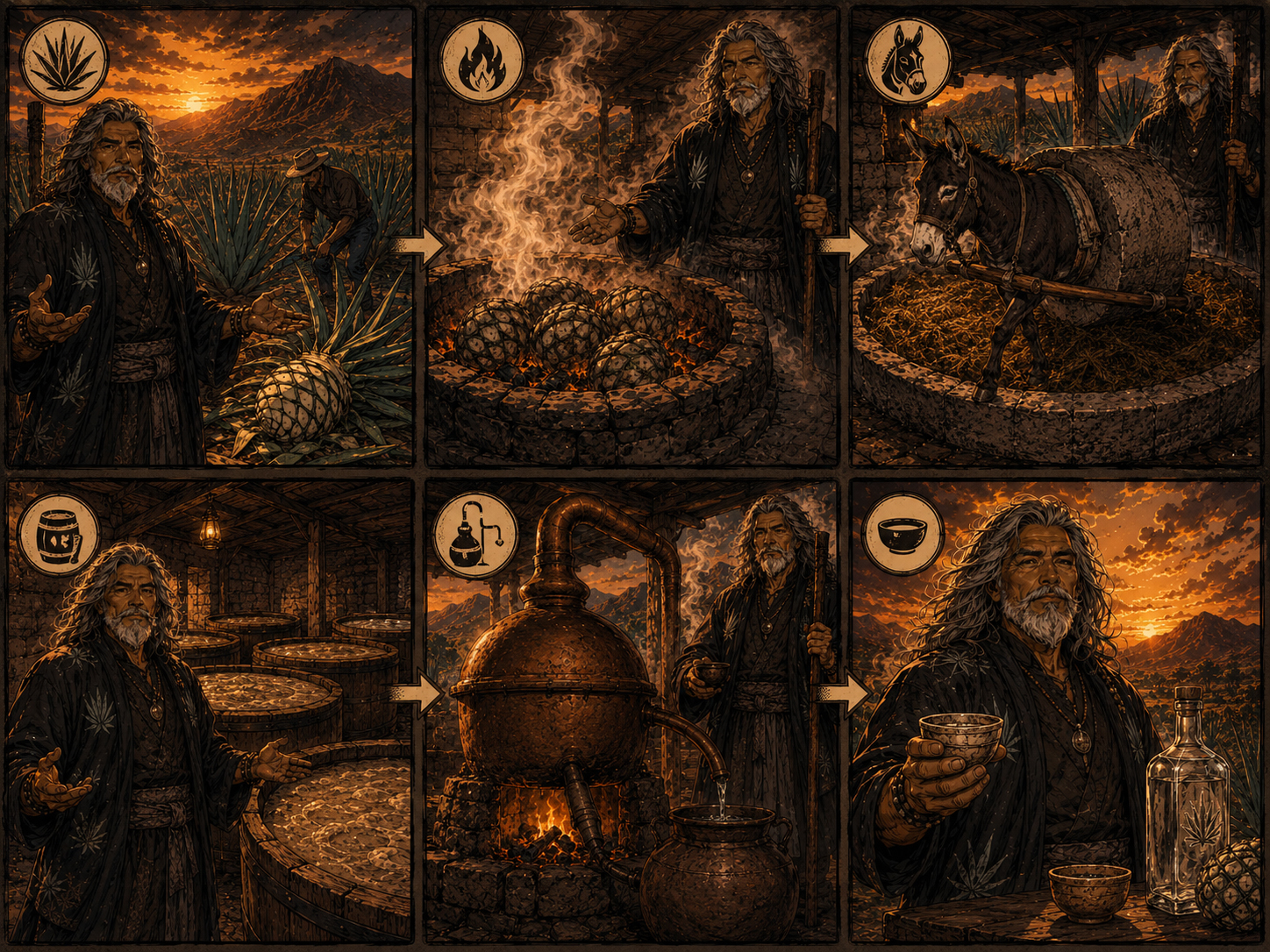
The exact method varies by producer and region, but the basic path is: harvest the agave, cook the piñas, crush them, ferment the cooked material, distill the fermented liquid, then rest or bottle the finished mezcal.
1. Harvest
Mature agaves are harvested by skilled workers who remove the leaves and reveal the piña. This is real labor, not a rustic Instagram filter.
2. Cook
Many traditional mezcals cook agave in earthen ovens with hot stones, wood, and a covering of fibers, earth, or other local materials. This is where roasted flavors and smoke character can begin.
3. Crush
Cooked agave is crushed to release sugars and fibers. Some producers use a tahona stone wheel, sometimes pulled by an animal. Others use mechanical mills or hand methods. Tahona Donkey would like everyone to respect the cardio involved.
4. Ferment
The crushed agave ferments, often in wooden vats, stone, clay, or other vessels depending on tradition and producer. Natural yeasts, local conditions, and time can shape flavor.
5. Distill
Fermented liquid and agave material are distilled in copper, clay, or other stills. The still type and distillation choices matter. Mezcal is not merely “cooked agave juice.” It is a carefully made spirit.
Smoke Sensei says:
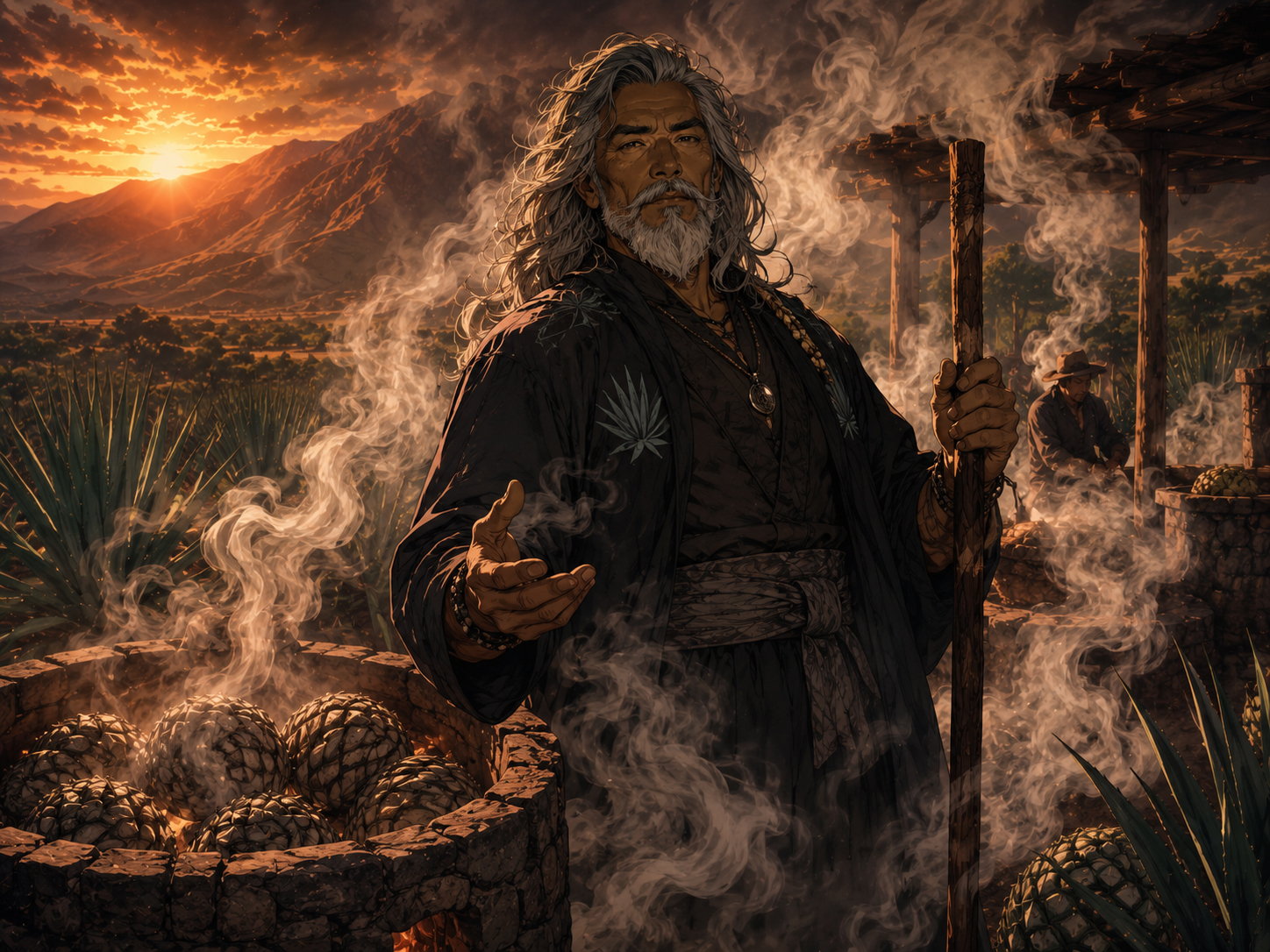
“Smoke is not the whole story. Smoke is the doorway. Walk through the doorway, do not lick the doorway.”
Why does mezcal taste smoky?
Some mezcal tastes smoky because of how the agave is cooked, especially in earthen ovens with wood and hot stones. But mezcal can also taste bright, green, peppery, tropical, lactic, mineral, floral, or savory.
A good mezcal tasting should not be a smoke contest. More smoke does not automatically mean better mezcal. It just means Smoke Sensei has taken over the microphone.
What should I look for on a mezcal label?
A useful mezcal label can tell you the agave variety, origin, producer, alcohol by volume, batch, production method, and sometimes the fermentation or still type. The more meaningful the label, the less work the Label Goblin gets to do.
How should a beginner taste mezcal?
Slowly. A small pour is enough. Look at it, smell gently, take a tiny sip, let it open, and give your palate a moment. Do not treat mezcal like a party dare. That is how the Cocktail Shaker Goblin gets promoted.
- Look: Notice clarity, color, and texture.
- Smell: Keep your nose gentle. Alcohol can be strong.
- Sip: Tiny sip. Let it spread.
- Think: Look for roasted, herbal, mineral, fruit, floral, spice, or smoke notes.
- Hydrate: Water is not optional. Water is your responsible sidekick.
So what is mezcal, really?
Mezcal is a Mexican agave spirit with deep craft traditions, regional variety, and a modern reputation that often oversimplifies it as “smoky tequila.” The better way to understand mezcal is as a conversation between plant, land, maker, method, and time.
Mezcal is not just smoke in a glass. It is agave with a memory.
Responsible drinking note
MezcalDaily.com is for adults of legal drinking age. Please drink responsibly, do not drink and drive, and do not use this guide as an excuse to turn learning into a stunt. Respect mezcal. Respect people. Respect the plant.