The fast answer
Mezcal comes from protected regions in Mexico — and the map is not frozen forever.
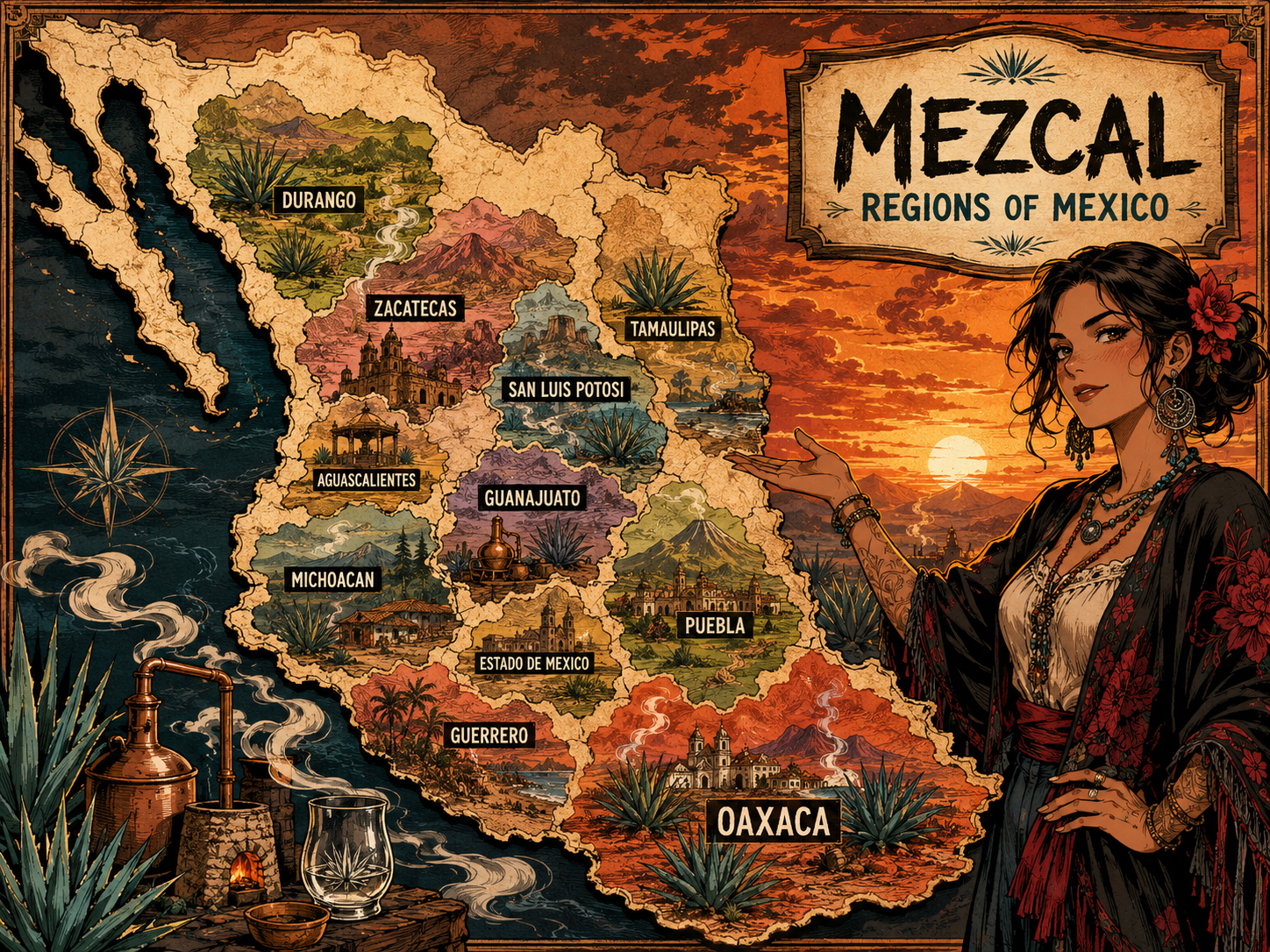
Mezcal has a protected Denomination of Origin in Mexico. That means the word mezcal is tied to specific production rules and approved geographic areas. The classic mezcal map starts with states like Oaxaca, Guerrero, Durango, San Luis Potosí, and Zacatecas, then expands through later additions and municipality-level recognitions.
The important beginner lesson: region matters. Place can influence agave, water, altitude, fermentation, roasting traditions, still types, and producer culture. A mezcal from Oaxaca may not drink like one from Durango, Puebla, Michoacán, or San Luis Potosí. The map is not decoration. The map is flavor homework.
Label Goblin map warning
Mezcal’s protected-region list can change through official decisions, legal disputes, and municipality-level updates. Treat any website map as an educational guide — not as a substitute for checking current IMPI, COMERCAM, or official label status.
Why regions matter
Mezcal is not made in a vacuum. It is made in landscapes. Elevation, rainfall, soil, available agaves, wood, water, local yeasts, tools, and family traditions can all affect what ends up in the glass.
This is where Madame Terroir enters the room, wearing a dramatic cape made of topographic lines. She points at the mountain and says, “That flavor did not come from nowhere.”
The classic mezcal geography
Historically, the best-known mezcal regions include Oaxaca, Guerrero, Durango, San Luis Potosí, and Zacatecas. Later expansions added approved areas in states such as Guanajuato, Tamaulipas, Michoacán, Puebla, and other regions through specific declarations, modifications, or municipality-level recognition.
The practical lesson for drinkers is simple: do not only ask, “What agave is this?” Also ask, “Where was it made?”
| Region idea | Why it matters | MezcalDaily translation |
|---|---|---|
| State | Broad legal and cultural geography. | The big map label. |
| Municipality | Some DOM approvals are municipality-specific, not always statewide. | The Label Goblin’s favorite paperwork maze. |
| Town or village | Often more useful for understanding producer culture and local style. | Where the real story gets specific. |
| Palenque / vinata / producer site | The actual production place and maker’s methods. | The flavor workshop. |
Oaxaca: the famous giant
Oaxaca is the best-known mezcal region and dominates many people’s idea of the category. It has a rich diversity of agaves, villages, production methods, and famous mezcal communities. For many beginners, Oaxaca is the first doorway into mezcal.
But Oaxaca is not “all mezcal.” It is a major chapter, not the entire book. Saying “mezcal equals Oaxaca” is like saying “music equals guitar.” Important? Yes. Complete? No.
Guerrero, Durango, San Luis Potosí, and Zacatecas
These historic mezcal states remind us that mezcal is bigger than one famous region. Different climates, agaves, and local traditions can produce very different spirits. Some may feel earthy and rustic, others herbal, mineral, dry, bold, or highly regional.
Durango and San Luis Potosí, for example, often show how northern and central landscapes can produce agave spirits with a very different identity from the southern Oaxaca stereotype. The mezcal map has many voices.
Agave Boy’s regional note
If your mezcal education starts and ends with Oaxaca, you have only read one exciting chapter. Keep turning the pages.
Puebla, Michoacán, Guanajuato, and Tamaulipas
Later recognized mezcal areas expanded the conversation. These regions can bring different agave traditions, fermentation cultures, still designs, and local histories into the category. Some approvals apply to specific municipalities rather than an entire state, so details matter.
This is where the map gets less like a coloring book and more like a legal puzzle with agave spikes. Always check label details: state, town, producer, certification, category, agave, and batch.
Morelos, State of Mexico, Aguascalientes, Sinaloa, and changing borders
The mezcal region conversation continues to evolve. Newer official recognitions, court disputes, and denomination updates can affect which municipalities are allowed to use the protected word “mezcal.” This is why MezcalDaily does not pretend a single cute map can settle every legal detail.
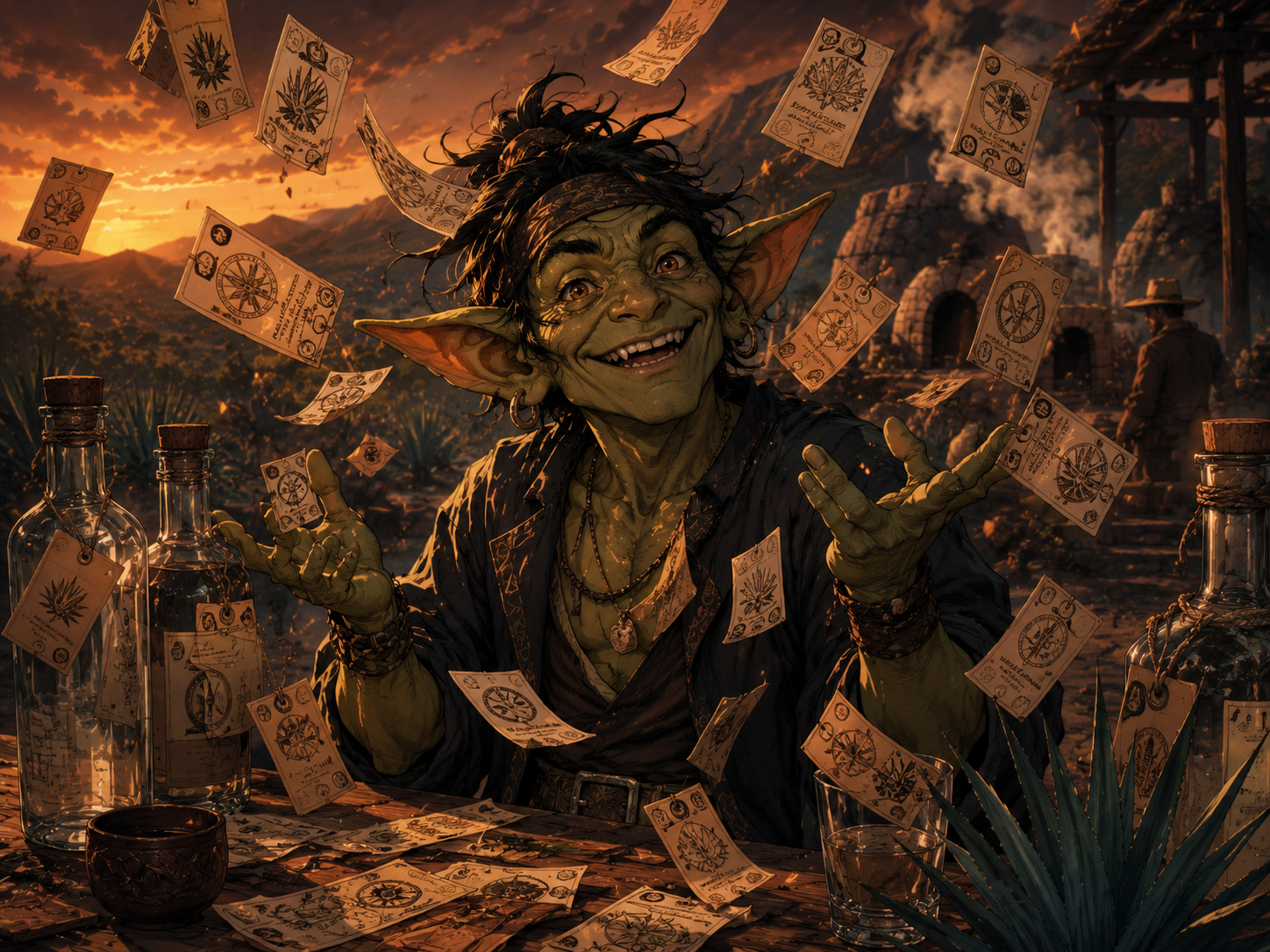
A good mezcal label should help you understand where the spirit was produced and under what category or certification. A vague bottle with romantic geography but no useful details should make your inner Label Goblin detector start blinking.
What to look for on a regional label
- State: The broad region, such as Oaxaca, Durango, Guerrero, Puebla, or another approved area.
- Municipality or town: More specific place information is usually more useful.
- Producer: A real maker name matters more than a romantic mountain drawing.
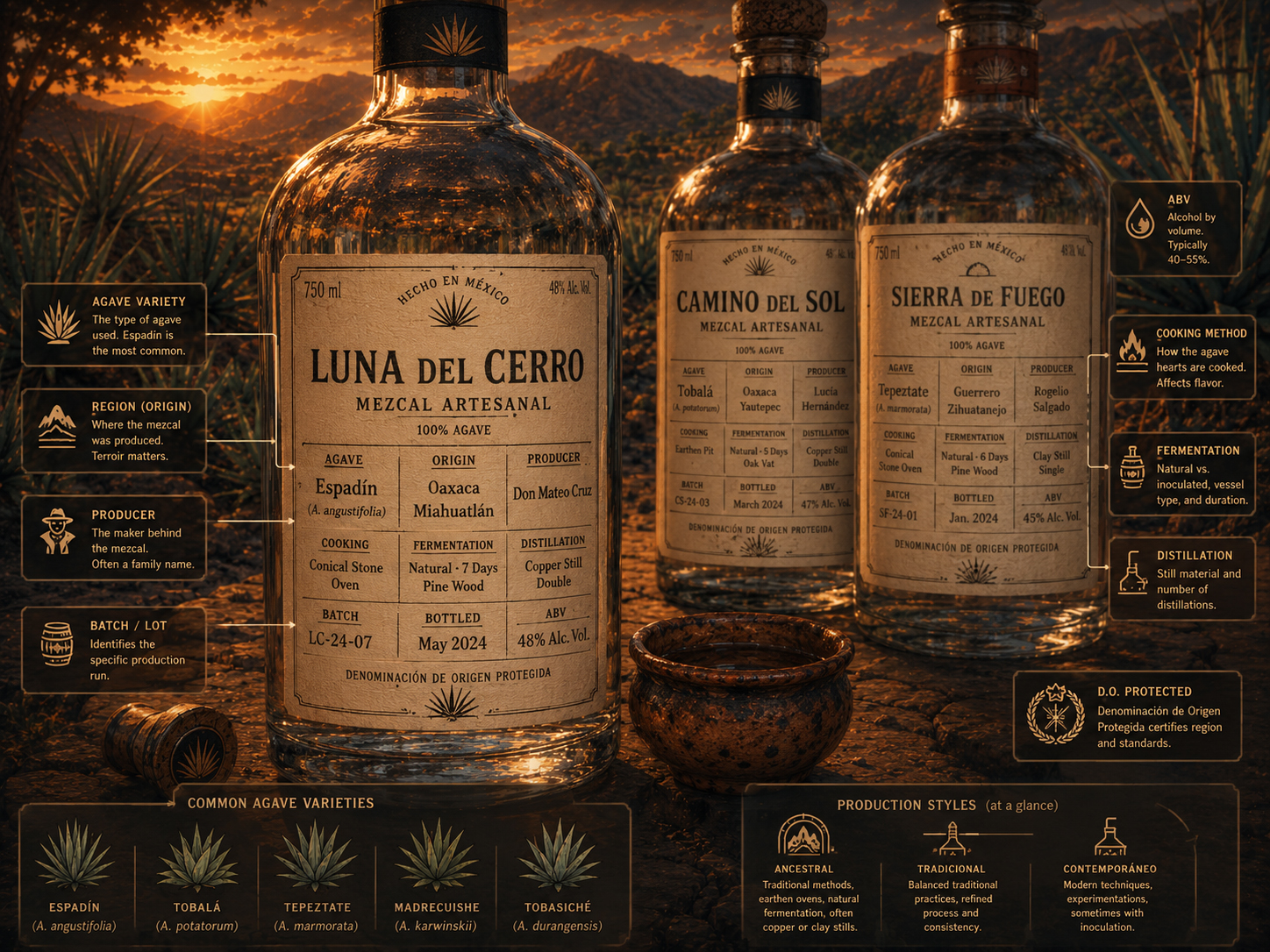
- Agave: Espadín, tobalá, tepeztate, cenizo, cupreata, or another maguey.
- Category: Mezcal, mezcal artesanal, or mezcal ancestral, when stated.
- ABV and batch: Strength and batch details help you compare bottles honestly.
Region is not a quality guarantee
A famous region can produce boring mezcal. A lesser-known region can produce excellent mezcal. Region gives clues, not a trophy. The final quality still depends on the agave, maturity, production decisions, fermentation, distillation, storage, bottling, and honesty of the label.
In other words, Oaxaca does not automatically win, and a small municipality does not automatically lose. Taste, read, compare, and stay humble.
| Lazy assumption | Better way to think |
|---|---|
| “Oaxaca is the only serious mezcal region.” | Oaxaca is hugely important, but other regions have real traditions and distinctive spirits. |
| “If it is from a famous region, it must be good.” | Producer skill and honesty still matter. |
| “Small region means small quality.” | Small regions can produce powerful, beautiful, specific expressions. |
| “The map tells me everything.” | The map starts the story. The label and producer finish it. |
How to taste regionally
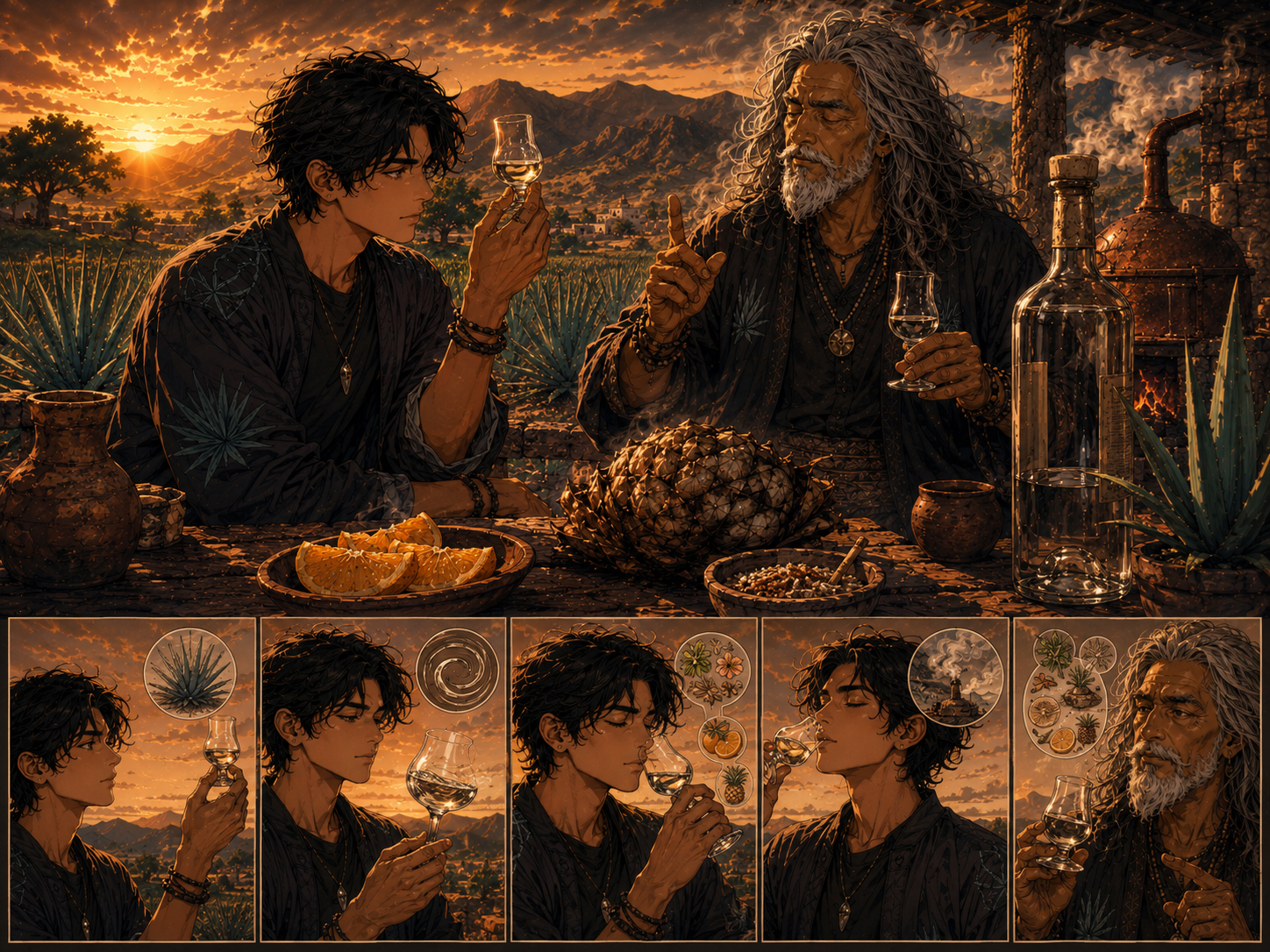
One of the best ways to learn mezcal is to compare bottles by region while keeping one variable similar. For example, taste two espadín mezcals from different towns, or compare an Oaxaca espadín with a mezcal from another approved state. Look for differences in aroma, texture, smoke, fruit, minerality, herbs, and finish.
The MezcalDaily map rule
Region is not just where mezcal is from. Region is part of what mezcal is saying.
Learn the map, but do not worship the map. Respect Oaxaca. Explore beyond Oaxaca. Read the label. Ask about the producer. And when the Label Goblin waves a vague “authentic mountain spirit” sticker at you, ask for the town.
Responsible drinking note
MezcalDaily.com is for adults of legal drinking age. Sip slowly, hydrate, eat food, and do not drink and drive. Regional learning should make tasting more thoughtful, not faster.