The fast answer
Smoke is part of some mezcal, not the definition of mezcal.
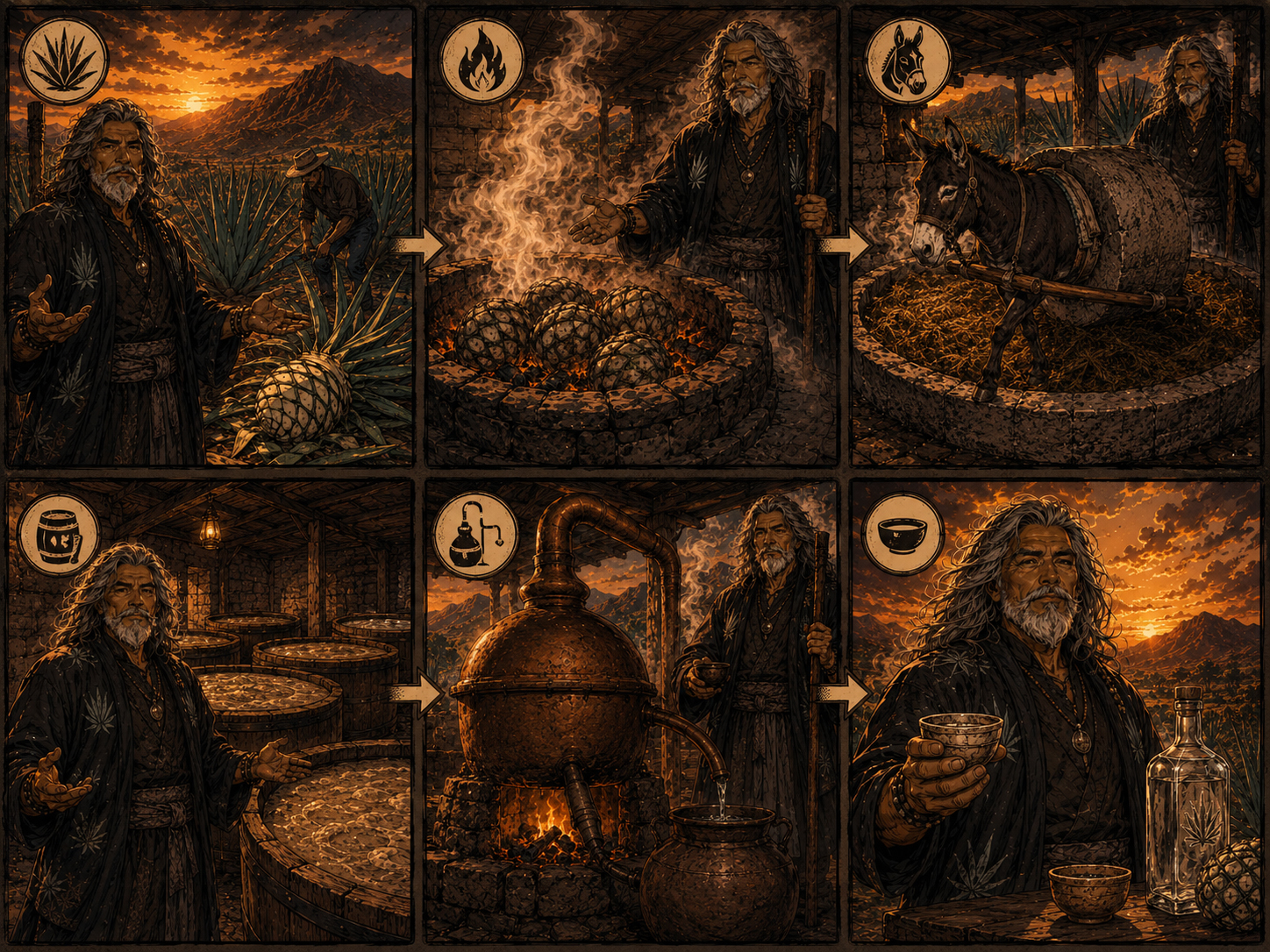
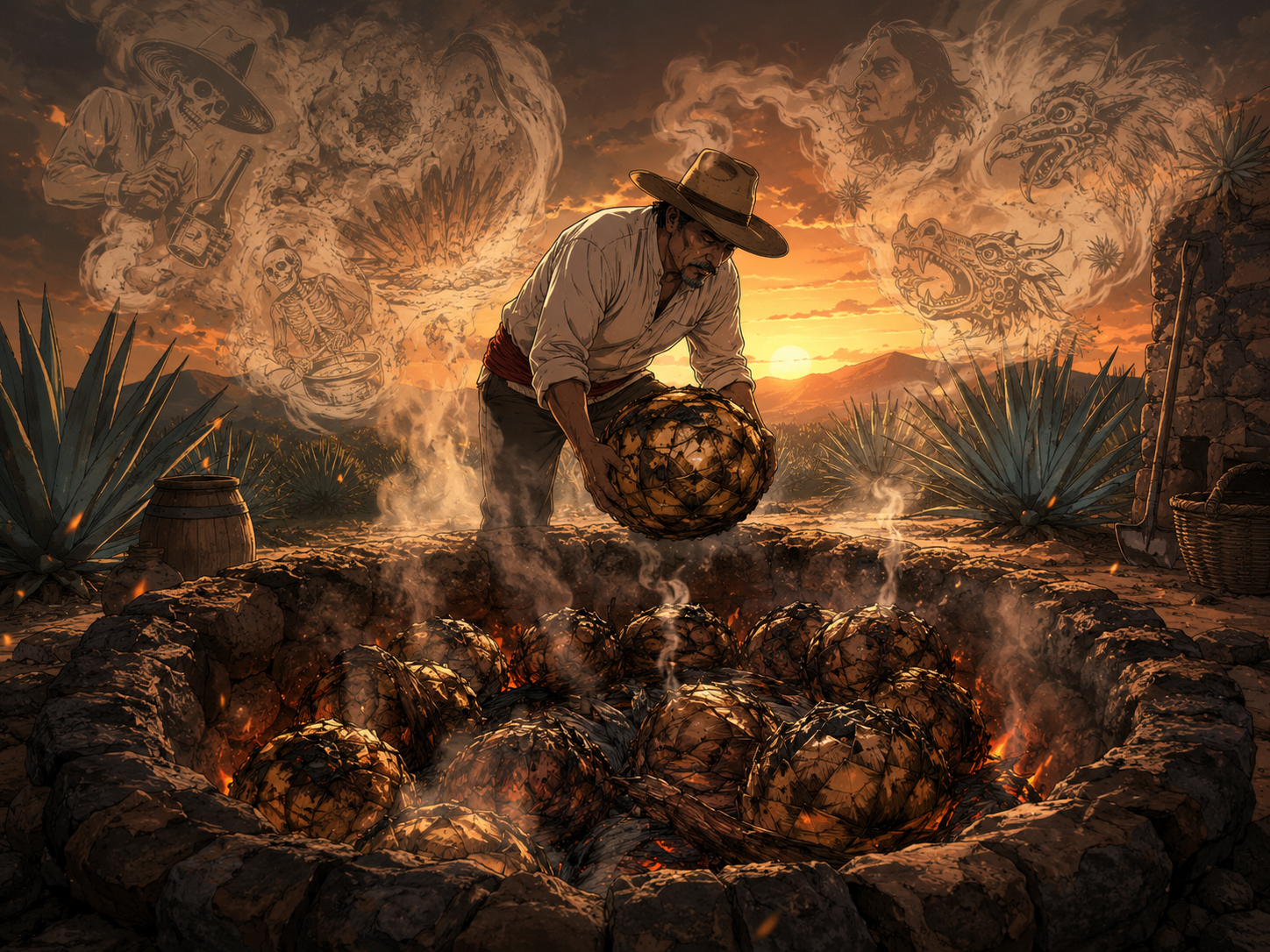
Mezcal often gets smoky or roasted notes from the way agave is cooked, especially when piñas are roasted in earthen pit ovens with hot stones, wood, earth, and time. But smoke is only one possible flavor. A great mezcal should still show agave, balance, texture, and place.
The beginner mistake is treating smoke like a scoreboard. More smoke does not automatically mean better mezcal. Sometimes more smoke means the agave got buried under a campfire blanket and is politely asking for help.
Smoke Sensei says:
“Smoke is the doorway, not the house. Do not stand in the doorway yelling that you understand architecture.”
Myth 1: All mezcal tastes smoky
False. Many mezcals have smoke, but not all mezcals are dominated by it. Depending on agave, region, roasting, fermentation, distillation, proof, and producer style, mezcal can taste green, tropical, floral, mineral, spicy, earthy, lactic, savory, or bright.
If your only mezcal experience tasted like a fireplace fell into a glass, you met one expression. You did not meet the entire category.

Myth 2: Smokier means better
False. Smoke can be beautiful when it supports the agave. It can also be heavy-handed, bitter, harsh, or distracting. A balanced mezcal might have smoke in the background, like a good bass line. A clumsy mezcal might have smoke blasting through the window with a marching band.
| Smoke style | What it can feel like | MezcalDaily translation |
|---|---|---|
| Gentle smoke | Soft roasted note supporting agave, herbs, fruit, or minerals. | Smoke Sensei whispers wisely. |
| Balanced smoke | Noticeable but integrated with flavor and texture. | The campfire brought snacks and manners. |
| Dominant smoke | Smoke covers the plant, place, and producer choices. | The smoke stole the microphone. |
| Harsh smoke | Bitter, acrid, burnt, or tiring. | A chair may have been sacrificed. |
Myth 3: Mezcal is just smoky tequila
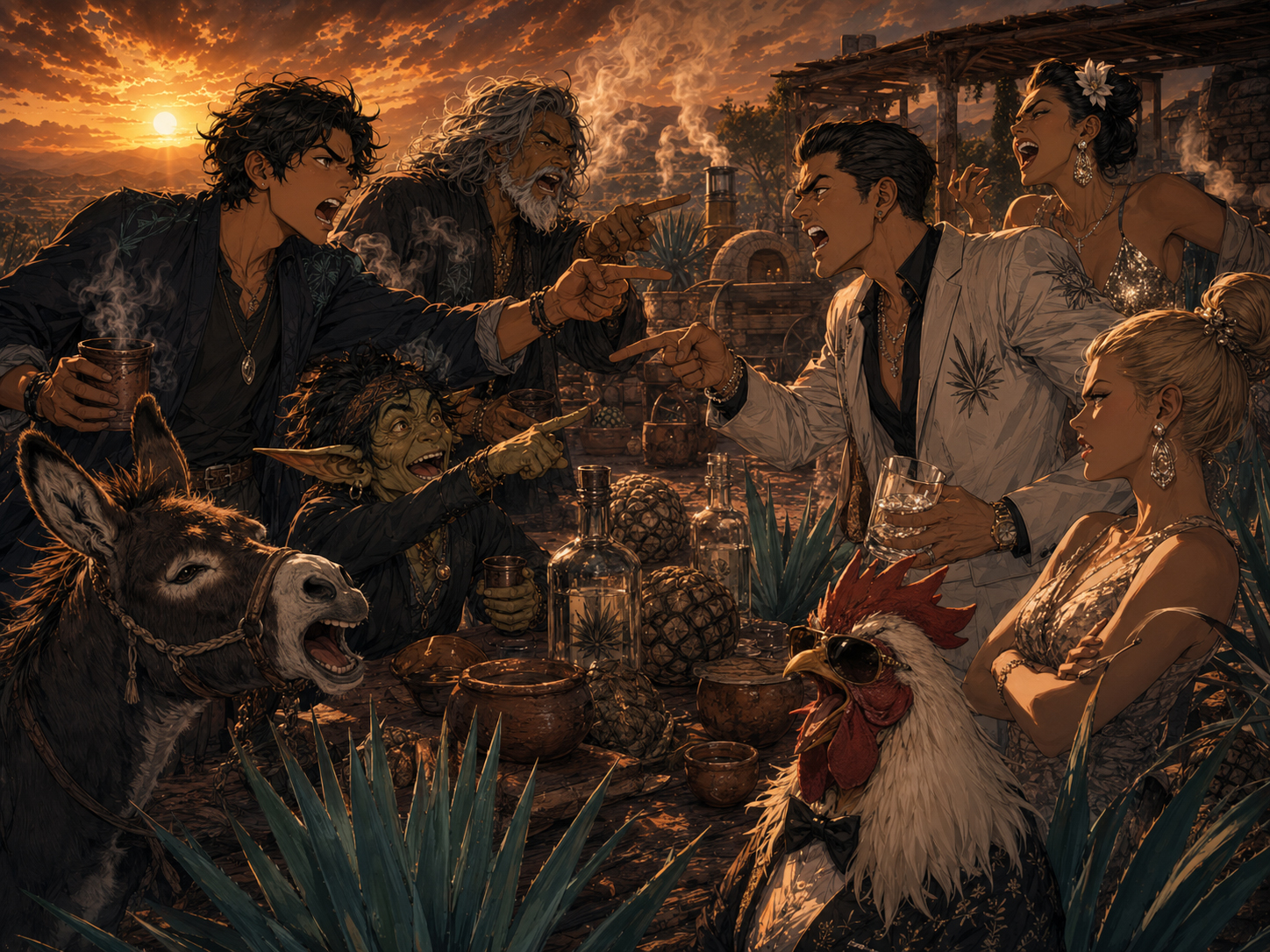
False and goblin-approved. Mezcal and tequila are both Mexican agave spirits, but they are governed by different traditions, regions, agaves, production methods, and category rules. Reducing mezcal to “smoky tequila” erases the plant, maker, region, and process.
Tequila is its own proud cousin. Mezcal is its own proud cousin. The family reunion is loud, but the categories are not interchangeable.
Myth 4: Smoke comes only from the bottle aging
Usually no. Smoke character in mezcal is mainly associated with how the agave is cooked, especially roasting in pit ovens. Aging in wood can add vanilla, spice, toast, caramel, or oak notes, but that is different from the roasted, earthen smoke character many people associate with mezcal.
Barrel aging can be delicious, but the barrel is not the smoke wizard. It is more like a guest wearing a vanilla scarf.
Myth 5: If you hate smoke, you hate mezcal
Not necessarily. You may dislike heavily smoky mezcal. You may still enjoy a cleaner, brighter, fruitier, more herbal, or more mineral expression. Try small pours from different producers, regions, and agaves before declaring the entire category guilty.
Agave Boy’s tasting plan
Try one gentle espadín, one brighter mezcal, and one more roasted expression. Compare slowly. Drink water. Let your palate file a proper report.
Where smoke actually comes from
Smoke begins in the cooking stage. Many mezcal producers roast agave piñas in earthen ovens. These ovens may use hot stones, wood, agave fibers, earth, and long cooking times. That cooking transforms the agave and can create roasted, smoky, caramelized, earthy, and savory notes.

What else should you taste besides smoke?
Smoke is easy to notice, so beginners often stop there. Keep going. Look for the supporting cast: cooked agave sweetness, citrus, tropical fruit, herbs, minerals, pepper, flowers, earth, fermentation funk, texture, heat, and finish.
| Flavor clue | What to ask yourself |
|---|---|
| Agave sweetness | Does it feel roasted, honeyed, vegetal, or cooked-fruit-like? |
| Herbal / green notes | Do you notice mint, grass, pepper, fresh leaves, or green chile? |
| Fruit | Is it citrus, tropical, stone fruit, dried fruit, or something else? |
| Mineral | Does it feel stony, saline, chalky, dry, or mountain-water clean? |
| Texture | Is it oily, sharp, soft, round, dry, hot, or silky? |
| Finish | What remains after the smoke leaves the stage? |
How to taste smoky mezcal without getting overwhelmed
- Use a small pour. Smoke can fatigue your palate quickly.
- Smell gently. Do not shove your nose into the glass like a detective in a chimney.
- Take tiny sips. Let the mezcal spread slowly.
- Look past smoke. Name at least three other notes before judging.
- Add food. Citrus, chocolate, grilled food, cheese, fruit, and mole-style flavors can help frame smoke.
- Drink water. Water is the heroic friend who gets no poster.

When smoke works well
Smoke works when it supports the agave rather than crushing it. The best smoky mezcals still have balance. They may show roasted sweetness, fresh herbs, clean minerals, fruit, pepper, or a long finish. Smoke should frame the painting, not paint over the painting.
A good smoky mezcal makes you want to return to the glass. A bad smoky mezcal makes you wonder whether someone distilled a barbecue menu.
When smoke becomes a warning sign
Too much harsh smoke can hide flaws. If a mezcal tastes only burnt, bitter, acrid, chemical, or exhausting, slow down. It may not be your style, or it may not be a well-balanced example. Do not force yourself to like a bottle because someone used the word “authentic.”
Label Goblin trick
The goblin loves the phrase “authentically smoky” when he has nothing else to say. Ask for producer, agave, place, method, batch, and ABV.
The MezcalDaily smoke rule
Smoke should introduce the agave, not kidnap it.
Learn smoke, respect smoke, enjoy smoke — but do not let smoke flatten mezcal into a cliché. The best bottles have more than one voice. Listen for the whole choir.
Responsible drinking note
MezcalDaily.com is for adults of legal drinking age. Sip slowly, hydrate, eat food, and do not drink and drive. Smoke education should make tasting more thoughtful, not faster or louder.