Episode summary
The fire teaches agave a new language.
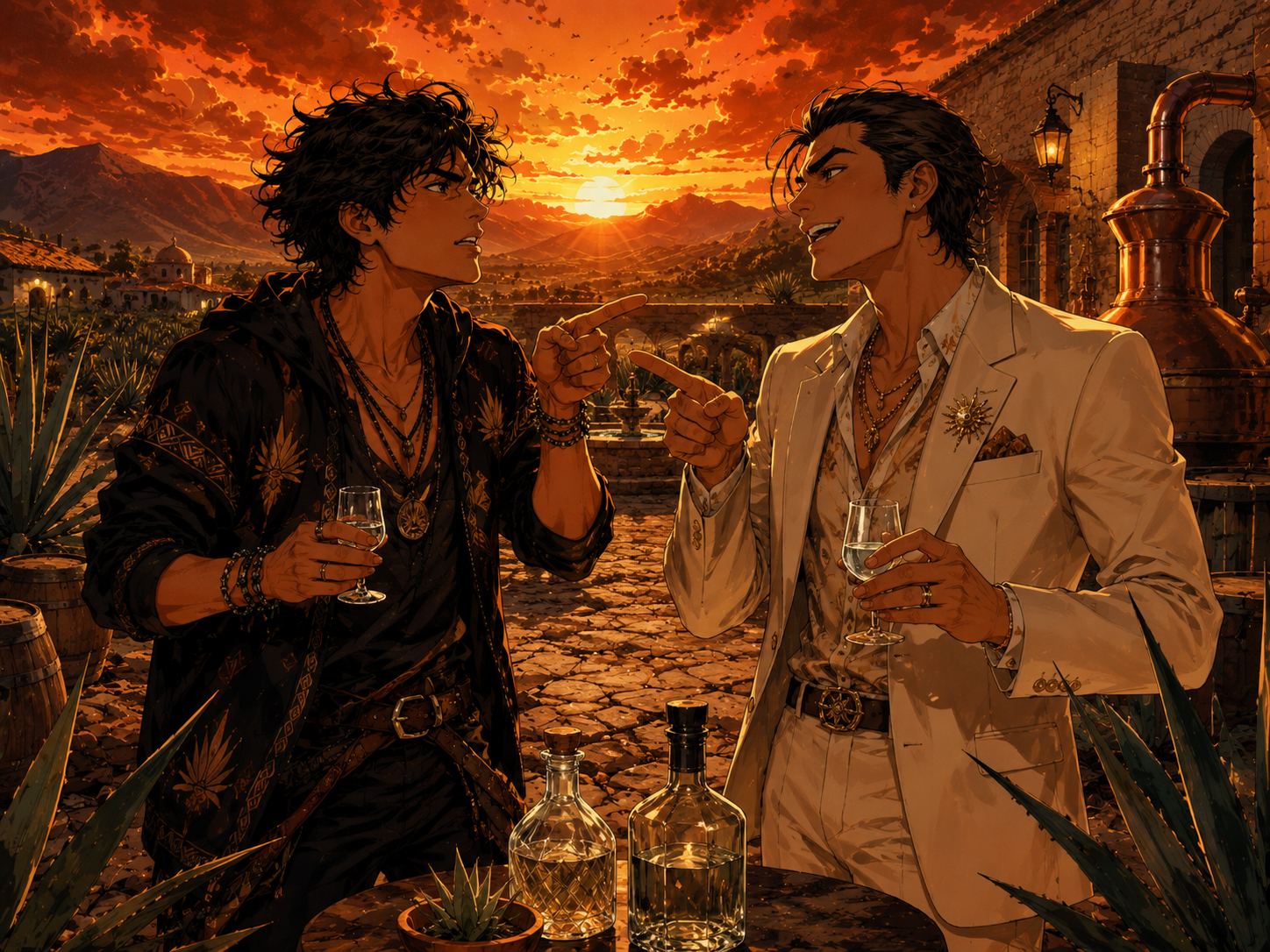
In Episode 1, Agave Boy learned that mezcal begins with agave. In Episode 2, he learns what happens when mature agave piñas meet heat, stone, earth, wood, patience, and one extremely theatrical smoke instructor.
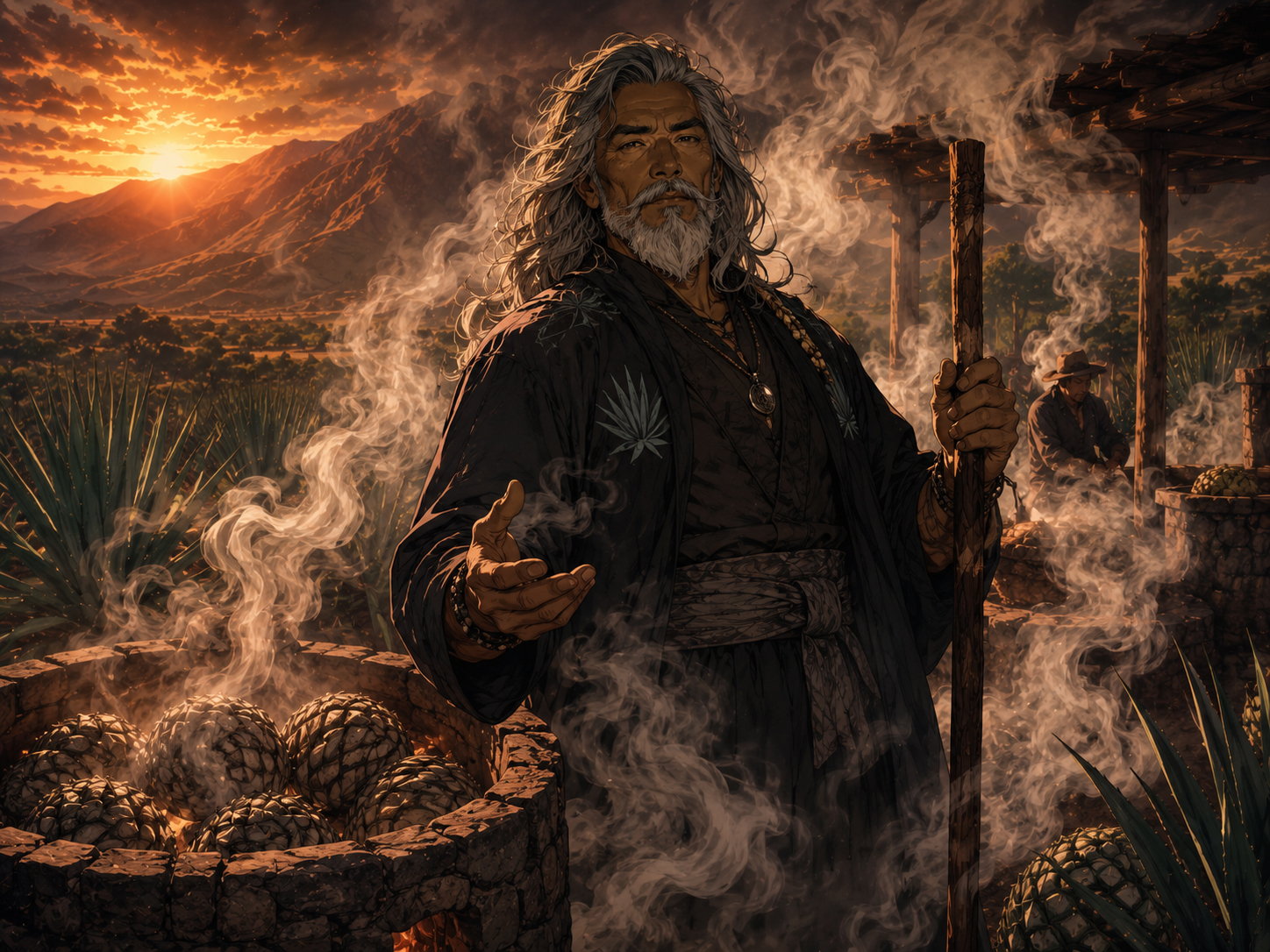
Smoke Sensei appears from the roasting pit to explain a key MezcalDaily rule: smoke is part of some mezcal, but smoke is not the definition of mezcal.
Smoke Sensei says:
“Young taster, if you only taste smoke, you are standing in the doorway and yelling that you understand the whole house.”
Panel 1: The pit opens
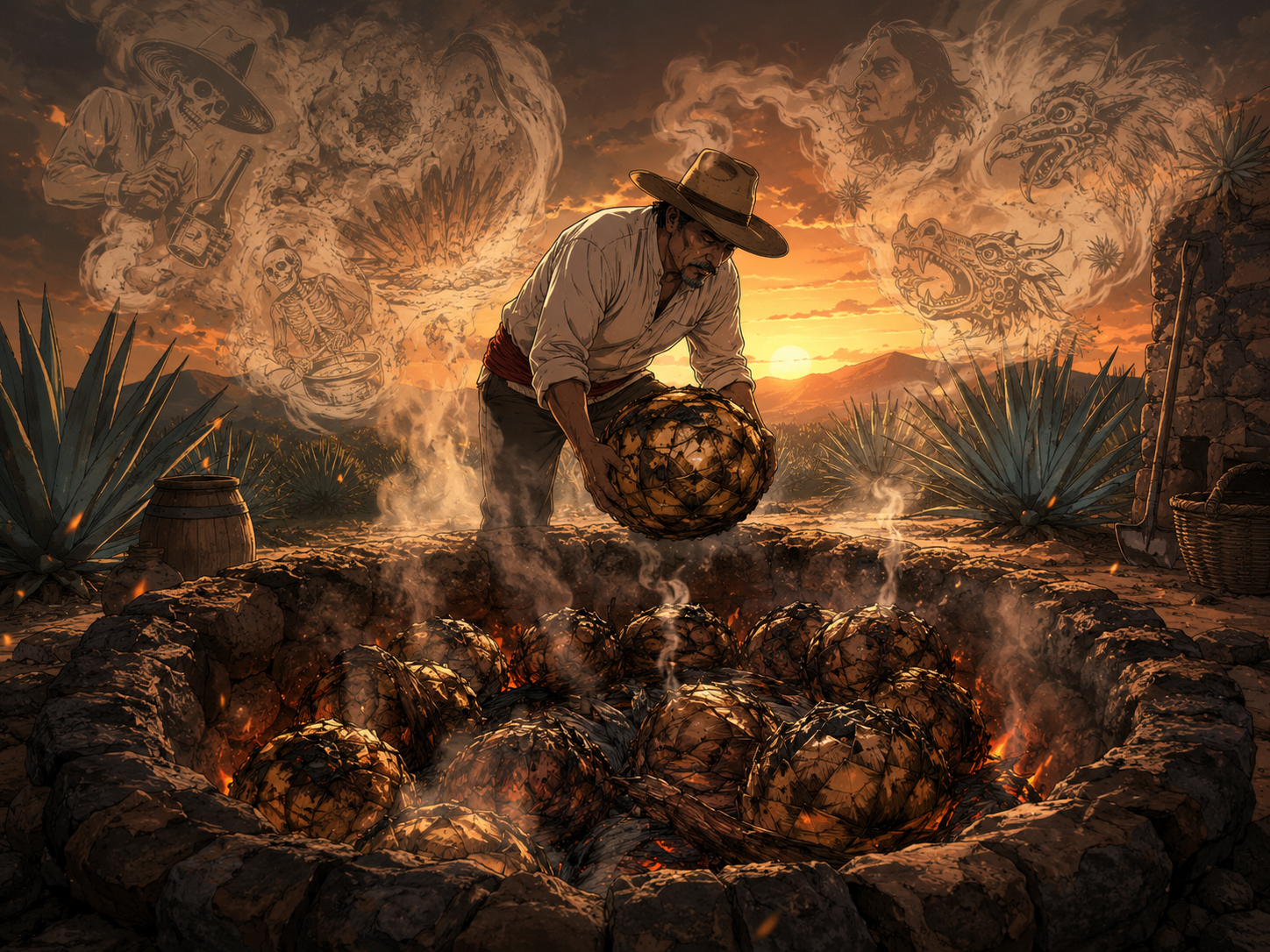
The episode begins at dusk. A round earthen pit glows with heat. Stones shimmer. Agave piñas wait nearby, trimmed and ready, looking like giant pineapples that just received dramatic plot assignments.
Agave Boy leans too close and asks, “Is this where the smoke flavor comes from?” The ground rumbles. Smoke twists upward into the shape of a stern teacher with glowing eyes.
“Smoke is not a flavor shortcut,” says Smoke Sensei. “It is a consequence of method.”
Panel 2: The hot stones lesson
Smoke Sensei points to the stones at the base of the pit. They have been heated by fire and will help cook the agave slowly. The piñas are layered into the oven, covered, and left to transform.
Cooking changes the agave. It softens the piñas, develops roasted flavors, and helps turn stored plant material into sugars that can later ferment. The agave does not simply “get smoky.” It becomes ready for the next stage.
| Roasting element | What it does | MezcalDaily translation |
|---|---|---|
| Hot stones | Hold and radiate heat inside the pit. | The oven’s ancient battery. |
| Wood fire | Creates the heat source and can influence smoke character. | Fire with opinions. |
| Earth covering | Helps trap heat and create slow cooking conditions. | The blanket of destiny. |
| Time | Allows the agave to soften and develop cooked flavors. | The ingredient nobody can rush without consequences. |
Panel 3: Agave Boy makes the campfire mistake
Agave Boy sniffs the air and says, “So the smokiest mezcal is the best mezcal?”
Smoke Sensei freezes. The smoke stops moving. Even the stones look disappointed.
Correction blast
More smoke does not automatically mean better mezcal. Smoke should support the agave, not kidnap it and demand a garnish ransom.
A balanced mezcal may show smoke alongside cooked agave, herbs, fruit, minerals, pepper, earth, flowers, or fermentation notes. If the only flavor is “burning chair,” the chair has over-participated.
Panel 4: The smoke scale appears
Smoke Sensei draws four smoky circles in the air.
| Smoke level | How it feels | Sensei verdict |
|---|---|---|
| Gentle | Soft roast in the background. | “A whisper can teach.” |
| Balanced | Noticeable smoke with agave, fruit, herbs, or minerals still clear. | “The chorus is working.” |
| Dominant | Smoke leads and other flavors struggle to speak. | “The microphone has been stolen.” |
| Harsh | Acrid, bitter, burnt, tiring, or one-dimensional. | “The fog machine needs supervision.” |
Panel 5: Cooked agave smells like more than smoke
Smoke Sensei breaks open a roasted piña. Agave Boy expects only smoke. Instead, he smells sweetness, roasted squash, cooked fruit, caramelized edges, earth, and green plant notes under the smoke.
This is the real lesson: roasting develops complexity. Smoke may be the loudest character, but the cooked agave is the main plot.
Panel 6: The Label Goblin adds “extra smoky” stickers
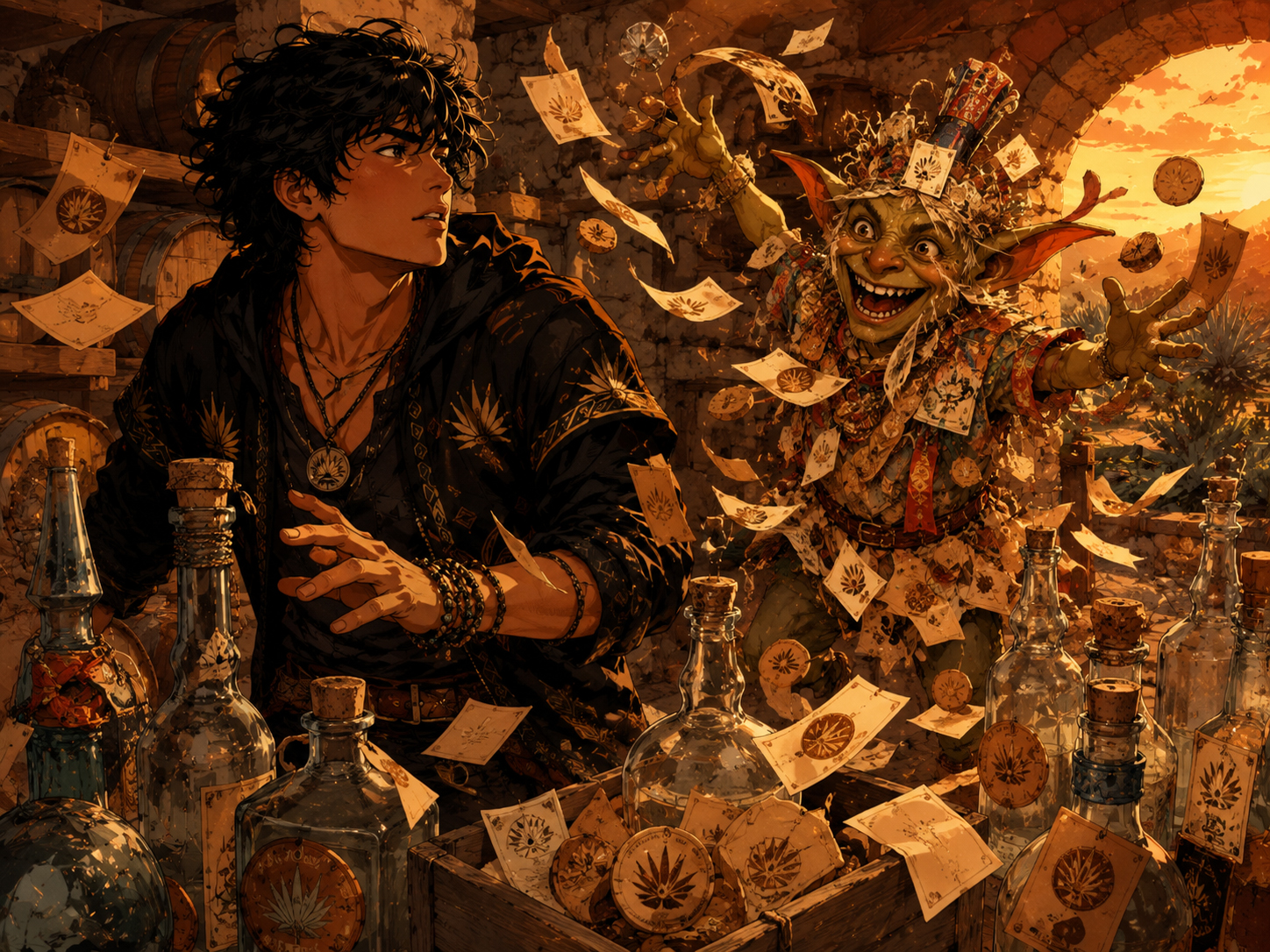
The Label Goblin appears with a roll of stickers reading “ULTRA AUTHENTIC MAXIMUM SMOKE.” He begins slapping them on everything: bottles, agaves, rocks, Agave Boy’s notebook, and one very offended donkey.
“People love smoke words!” shouts the Goblin. “People deserve flavor words,” replies Smoke Sensei.
Smoke Sensei burns the stickers with one eyebrow movement. The lesson is clear: marketing loves simple hooks, but mezcal deserves better than one-word hype.
Panel 7: Smoke is one chapter, not the whole book
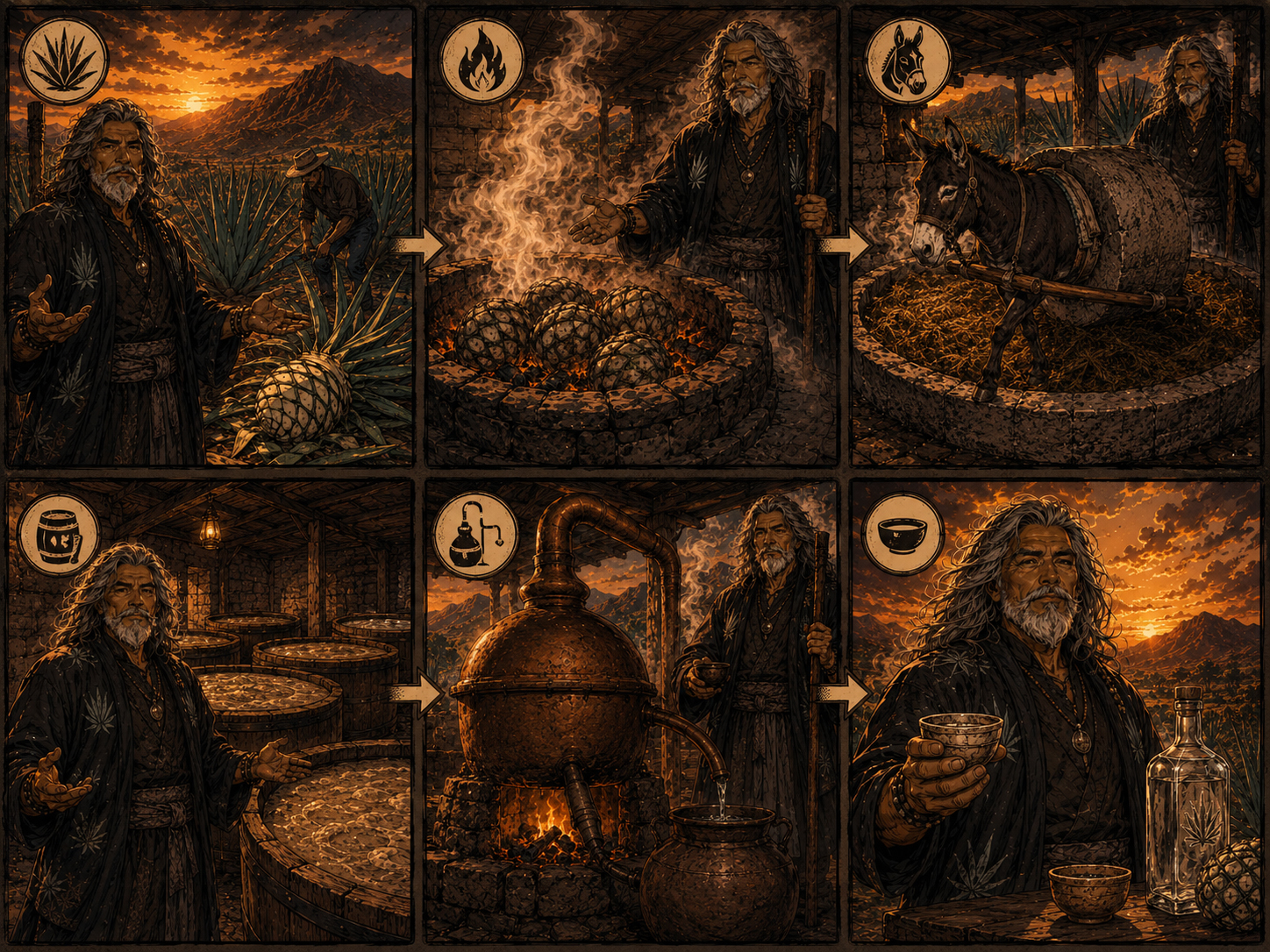
The roasted agave will still need to be crushed, fermented, and distilled. Roasting matters, but it is not the final step. Fermentation can create fruit, funk, acidity, floral notes, and complexity. Distillation shapes texture, clarity, strength, and finish.
Smoke Sensei points down the production path. The agave has been transformed, but the story is just beginning.
What this episode teaches
- Roasting transforms agave. It softens piñas and develops cooked flavors.
- Smoke often comes from cooking method. Especially earthen pit roasting with wood and hot stones.
- Smoke is not everything. Look for agave, fruit, herbs, minerals, spice, earth, texture, and finish.
- More smoke is not automatically better. Balance matters more than volume.
- Marketing can oversimplify smoke. Read labels and taste carefully.
- Roasting is one stage. Crushing, fermentation, and distillation still shape the final mezcal.
Episode 2 tasting homework
Taste a small pour of mezcal and write down at least three notes that are not smoke. Look for cooked agave, fruit, herbs, minerals, pepper, earth, sweetness, fermentation, texture, or finish. Then write down whether smoke is gentle, balanced, dominant, or harsh.
Smoke Sensei homework rule
You may say “smoky,” but you must say two other useful things before the goblin gets a vote.
The final panel
As the roasted agave cools, Agave Boy looks into the pit and understands that smoke is not a gimmick when it comes from method. It is part of the transformation.
Smoke should introduce the agave, not drown it in a fog machine.
Responsible drinking note
MezcalDaily.com is for adults of legal drinking age. This episode is educational and cultural content about an alcoholic beverage. Sip slowly, hydrate, eat food, and do not drink and drive.